
Reviewed · DOLPHIN WATCHING
Horta: University Startup Whale and Dolphin RIB Boat Trip
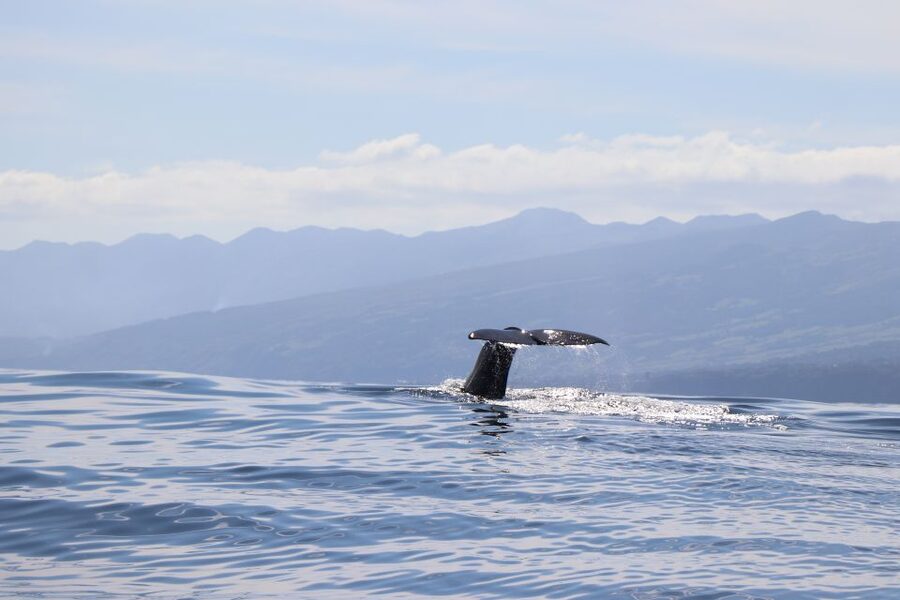
Horta’s Azores setting is the kind of place where your whale-watching day feels like real fieldwork at sea. I love that you’re not just looking from the deck, you’re learning in real time with a marine researcher onboard, including University of Lisbon and Azores specialists collecting data.
Two things I really like: marine biologist guided information before and during the ride, and the chance of seeing more than one cetacean species in the same outing. The trip is built around what’s happening right now around Faial and Pico, with resident species like sperm whales showing up year-round.
One consideration: this is a semi-rigid RIB, so rougher conditions can mean a wet ride and more motion than you might expect. Also, this trip can be weather-dependent and may be rescheduled, so bring a little flexibility, especially if you’re only in town for a day.
Key highlights that matter on the water
- University-linked marine research onboard so you get up-to-date animal information, not generic talking points
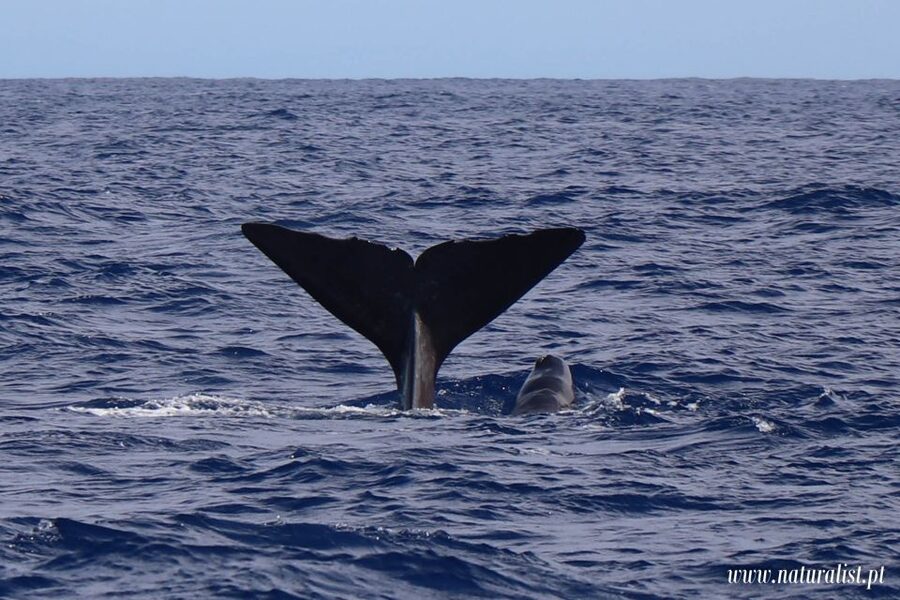
- Normally 2 to 3 different cetacean species per tour, with sperm whales year-round
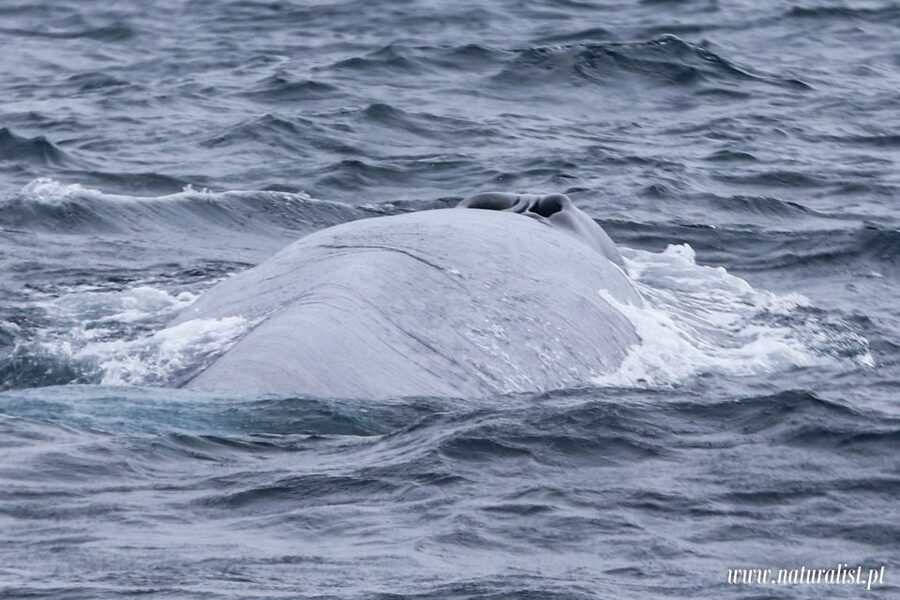
- Seasonal whale chances: blue and fin whales are more common in spring, with Bryde and sei whales possible in summer
- Birdwatching is part of the plan, including Corys, great and manx shearwaters, and common and roseate terns
- Small-group RIB format (up to 16 people) plus safety gear and waterproof clothing included
Why this Horta whale and dolphin trip feels different
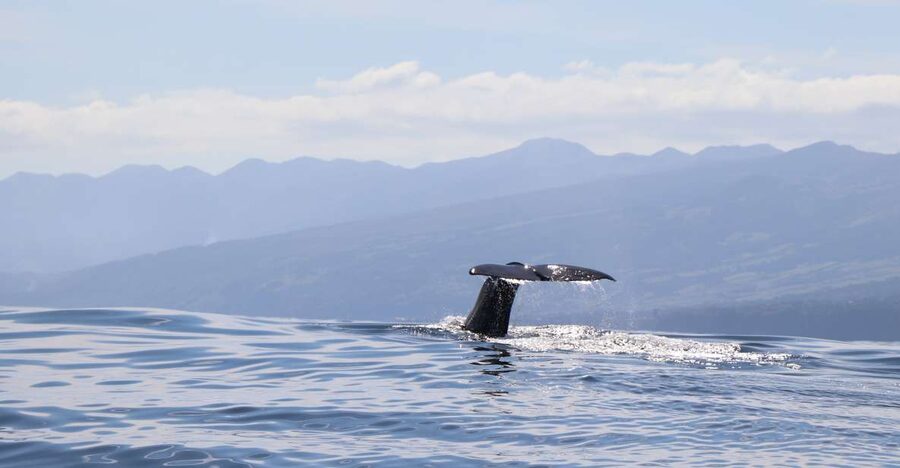
This isn’t a big “drive around and hope” cruise. The way the team sets up the day makes a difference: Faial and Pico have whale spotters working from land first, then the RIB goes out when there’s a confirmed target. That boosts your odds because you’re not starting from zero.
The second reason it feels special is the onboard science. You get a briefing on the marine life and cetaceans in the region, and then a researcher joins the boat to collect data and answer questions as conditions change. On a trip like this, small details matter. If you know what you’re looking at, you notice behavior, not just shapes.
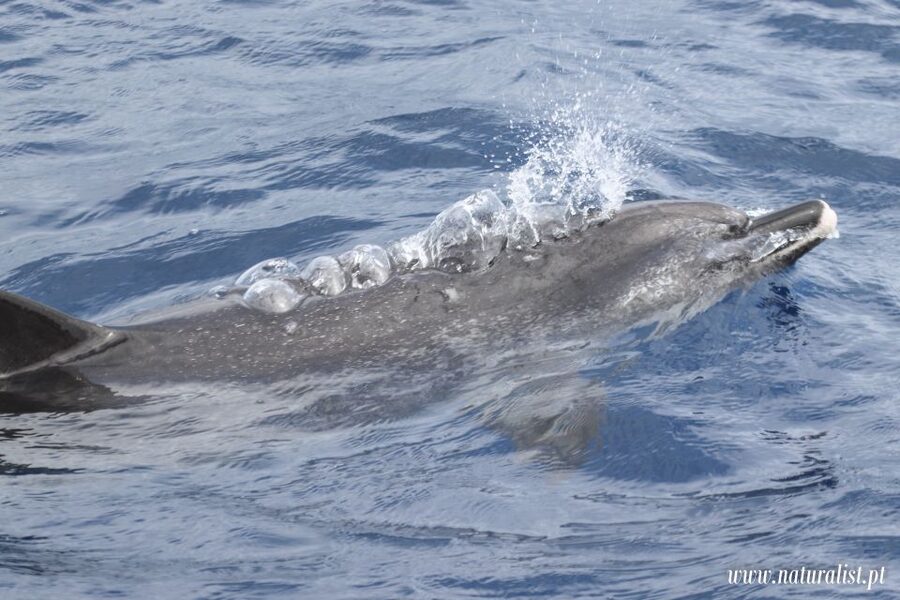
And yes, the animal list is serious. You can be watching sperm whales, then switch gears to dolphins, and still have a chance at turtles, sharks, and seabirds.
More Dolphin Watching in Faial:
- Albufeira: 2.5-Hour Benagil Caves & Dolphin Watching
★ 4.6 · 10,710 reviews - From Funchal: Ecological Catamaran Dolphin Whale Watching
★ 4.5 · 8,204 reviews - Albufeira: Benagil Caves & Dolphin Watching Speed Boat Tour
★ 4.6 · 6,316 reviews
Meeting in the marina, getting ready fast
You meet at Naturalist – Science & Tourism Whale Watching in the marina. Plan to arrive about 15 minutes early so you can check in, get settled, and be ready for the safety briefing.
You’ll also get waterproof clothes included. That is a big deal in the Azores, even when the forecast looks fine, because sea spray happens and a RIB ride can put water on you in a hurry. If you’re choosing shoes, I’d pick something that either stays comfortable if it gets wet, or dries quickly.
No hotel pickup is included, so you’ll want to build time to get to the marina yourself.
Safety briefing then straight out: what the RIB ride is like
Right after the short safety briefing, you head out on a semi-rigid, high-speed RIB built for maneuvering. The boat holds up to 16 passengers, which keeps things from turning into a chaotic crowd. That also helps during wildlife encounters, since the crew needs to position the boat carefully without stressing animals or people.
One thing to know upfront: this trip is not recommended if you’re pregnant, have severe back problems, or have had recent surgeries. The ride can be bumpy, and the seating and motion are part of the experience on a RIB.
If weather is unsettled, you should expect more spray and motion. I’d treat this as a “bring your sea-legs” activity. When the day is calmer, the ride feels quick and exciting, and you spend more of the time looking than bracing.
The onboard science: how you actually learn what you’re seeing
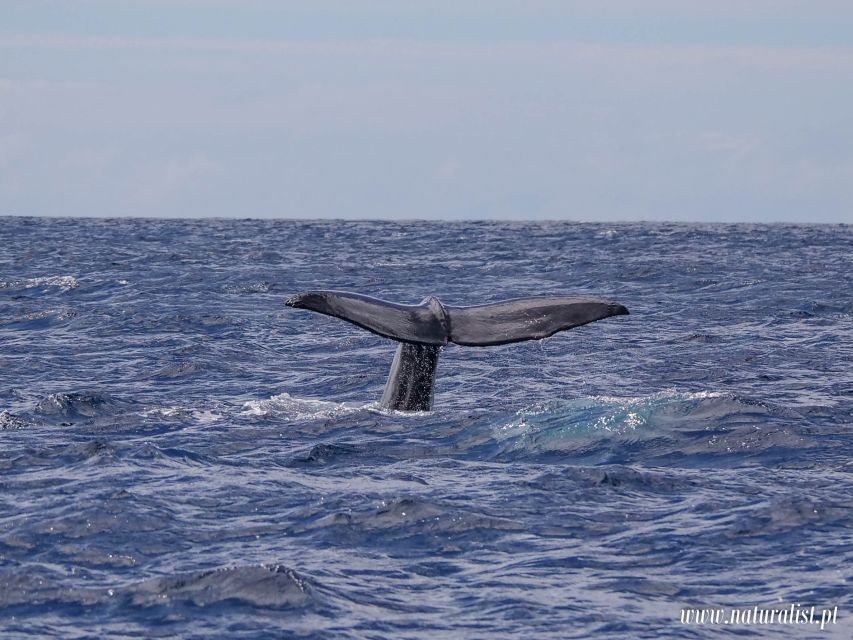
Before the water, you get a briefing about marine biodiversity and the cetaceans occurring in the area. Then the marine researcher on board brings the experience into focus.
What I like about this setup is that it’s not just facts. It’s interpretation. You learn which species are resident versus migratory, and how the timing of the trip connects to what you might spot. That makes a difference when you’re trying to tell a dolphin species from another, or when you spot a whale spout and need to think about what type of animal it could be.
You may also hear updated context tied to what the crew and researcher are seeing that day. Some departures have included extra help from marine biologists by name, and there are past reports of guides capturing photos during the outing, with complimentary images shared afterward. Even when you don’t get that photo bonus, the science part is consistent in the way it’s described: research presence plus guided interpretation.
What you can see around Faial and Pico (and when)
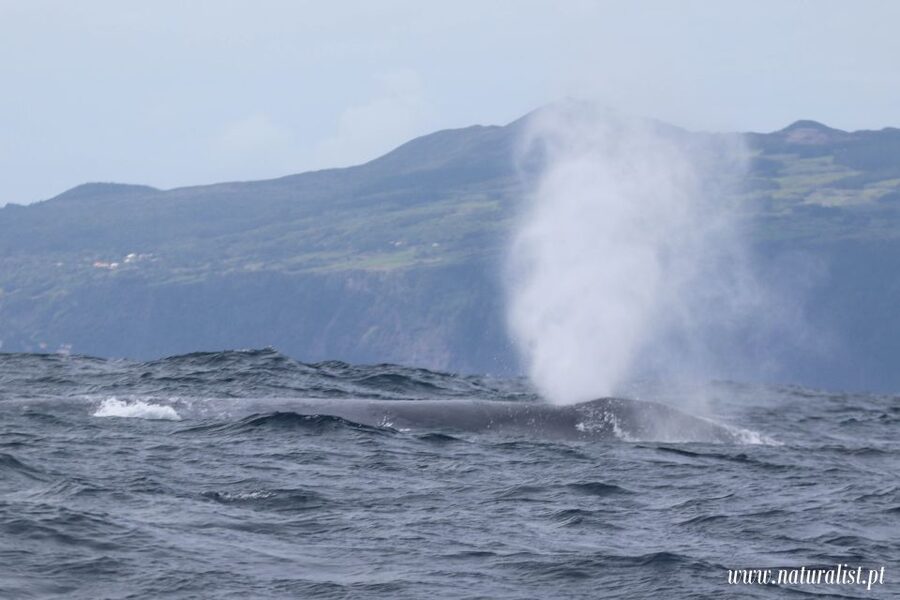
This region is a whale and dolphin hotspot, with over 25 cetacean species listed for the broader area. In practice, the trip is designed so that you’re likely to observe 2 to 3 cetacean types during your 3 hours.
Here are the big ones that shape what you can hope for:
- Sperm whales: resident, year-round
- Blue and fin whales: more common in spring
- Bryde and sei whales: can occur in summer
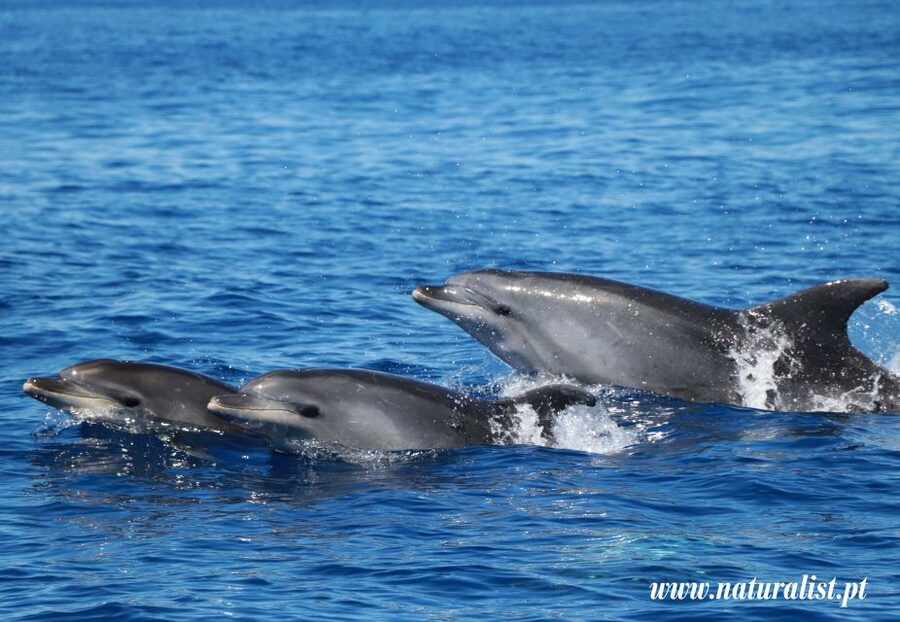
- Dolphins: bottlenose dolphins plus Risso and common dolphins are resident, while several migratory dolphin species can appear
Turtles are also in the mix. You can see loggerhead and green turtles, and there’s potential for leatherback and kemp as well.
And then there’s the bonus wildlife that makes the sea feel alive. Depending on the day, you might spot flying fish, squid, octopus, hammerhead and blue sharks, and sunfish. Those are not guaranteed, but they’re part of the real biodiversity story of the Azores.
Birdwatching is part of the same ecosystem view. The team calls out seabirds such as Corys shearwater, great and manx shearwaters, and common and roseate terns. When the boat is near feeding activity, seabirds often show up in numbers, and they can help you understand what’s going on beneath the surface.
How the 3 hours usually unfold on the water
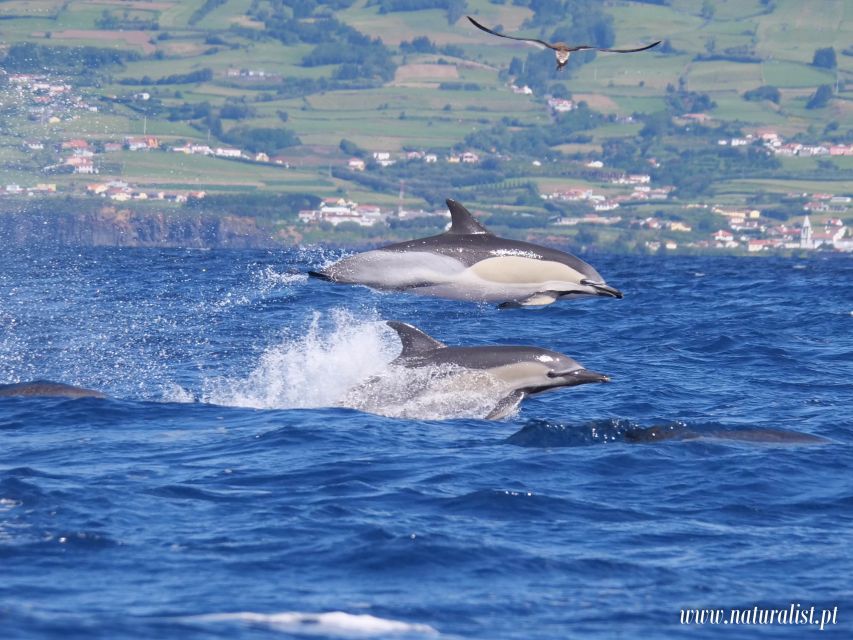
Most trips run about 3 hours, with departures in the morning at 09:00 and in the afternoon at 14:00. The exact timing of wildlife encounters shifts with weather and where the team finds activity, but the structure is clear.
You’ll typically get:
- A photo stop and scenic viewing
- Guided tour time
- Dolphin watching
- Marine life viewing and wildlife viewing
A common pattern on this kind of outing is that dolphins and seabirds can show up fast, then whales may take longer to surface. The crew often needs patience, and when they find a good area, they position the boat so you have a chance to see behavior, not just a quick spout.
In a few real-day examples, the captain waited and then repositioned to a new area to put the animals at a better angle. That’s the kind of operational choice that turns a “we went out” trip into an actual whale-watching session.
Species spotting reality check: sometimes you get more than you planned
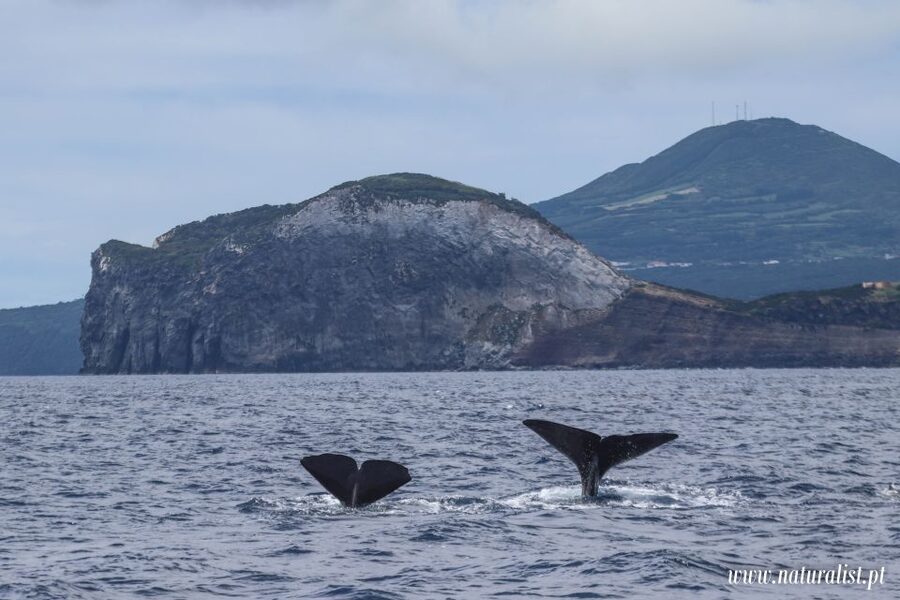
The best days can stack species together. If the sea conditions allow the crew to move quickly between feeding zones, you can end up with multiple cetacean encounters in the same outing.
On some departures, people have reported sperm whales plus several dolphin types up close, along with seabirds feeding in large numbers. That fits the trip’s core idea: resident sperm whales can show year-round, while seasonal baleen whale possibilities increase at certain times of year.
But keep your expectations flexible. One verified booking rated the trip 4 out of 5 because no whales were seen on that departure. That’s a reminder that marine life is not a schedule. Your odds are built on spotters, science, and smart boat handling, but the ocean still decides how generous it is.
Price and value: what $101 buys you in Azores terms
At about $101 per person for a 3-hour RIB trip, you’re paying for three big things:
- A small-group RIB ride with safety and waterproof clothing included
- A researcher onboard linked to University of Lisbon and Azores work, plus briefing and guided interpretation
- The added operational effort of finding animals via whale spotters from land first
Compared to a generic cruise, the “science + search” combo is the value here. You’re not just buying time on a boat, you’re buying a process. The researcher presence matters because it changes what you notice: species behavior, feeding context, and the difference between resident and migratory patterns.
Food and drinks are not included, so plan a snack strategy. Bring water if you like, or stop for something before or after the trip.
Practical tips so you enjoy the ride more
A RIB can be fun, but comfort is your job.
- Wear quick-drying shoes: even with waterproof clothing, you can get wet. One past passenger recommendation was to bring shoes that dry fast.
- Dress in layers: the Azores wind off the water can feel colder once you’re moving.
- Arrive early and listen during the safety briefing. It’s short, and it helps everyone enjoy the encounter more.
- Bring patience for whales: dolphins and birds may come quickly, whales can take time.
- Pick your departure time wisely: you have two options daily at 09:00 and 14:00. If you’re the type who likes a full morning, go early. If your day is already packed, afternoon can work.
If you’re someone who tends to get seasick, consider that this is a semi-rigid RIB with motion. The trip is not recommended for people with severe back problems, but general comfort matters for everyone else too.
Who should book this, and who should skip it
This is a strong choice if you want:
- Close-up wildlife viewing in a smaller RIB group
- A trip focused on cetacean identification and marine biodiversity, not just sightseeing
- The chance to see resident sperm whales year-round plus seasonal whale possibilities
It’s less suitable if:
- You have severe back problems, are pregnant, or have had recent surgery
- You have children under 5 years (not suitable)
Also, if you’re in a tight schedule and weather can easily disrupt timing, remember the trip depends on conditions and may be rescheduled. The upside is that cancellations can be fully refunded within the stated window, so you’re not locked into a plan that the ocean refuses.
Should you book this Horta whale and dolphin RIB trip?
I think you should book it if whale watching is your main goal and you want the extra value of a researcher onboard. The combination of land-based spotting, a science briefing, and hands-on guidance is what makes the outing feel intentional. You’re not just scanning the sea hoping for luck.
Skip it (or choose a different style of tour) if you’re worried about motion, have medical limitations, or you need guaranteed animal sightings. No whale trip can guarantee results, but this one is built to find activity and explain what you’re seeing when it happens.
If you can go with flexible expectations and you dress for a wet, windy RIB ride, you’re in for a genuinely memorable Azores ocean session.
FAQ
How long is the whale and dolphin RIB trip from Horta?
The trip lasts about 3 hours.
Where is the meeting point?
You should meet at Naturalist – Science & Tourism Whale Watching in the marina. Plan to arrive 15 minutes before departure.
What time do tours run?
There are departures at 09:00 in the morning and 14:00 in the afternoon.
What languages are offered?
Tours are available in English and Portuguese. Spanish is also mentioned, and French needs to be requested in advance based on availability.
Is food or hotel pickup included?
Food and drinks are not included, and pick up from your hotel is not included.
Is the trip suitable for kids or people with medical concerns?
It is not suitable for children under 5 years. It is also not recommended for pregnant women, people with severe back problems, or those with recent surgeries.
More Boat Trips in Faial
- From Porto: Douro Valley w/ Boat Tour, Wine Tasting & Lunch
★ 4.7 · 19,061 reviews - Complete Douro Valley Wine Tour with Lunch, Wine Tastings and River Cruise
★ 5.0 · 12,920 reviews - Porto: Six Bridges Cruise
★ 4.2 · 11,680 reviews - Portimão: Benagil Caves Speed Boat Tour with Sunset Option
★ 4.8 · 11,663 reviews
More Whale Watching in Faial
- Funchal: Dolphin and Whale Watching Catamaran Cruise
★ 4.5 · 5,697 reviews - From Ponta Delgada: Whale and Dolphin Watching Trip
★ 4.7 · 4,109 reviews - Azores: Whale Watching & Islet Boat Tour w/ Marine Biologist
★ 4.7 · 2,945 reviews - Funchal Bay: Dolphin & Whale Watch Luxury Catamaran Cruise
★ 4.2 · 2,684 reviews
Latest reviews from Faial
- Faial Island: Full Day Tour – Nature and Local Culture★ 5.0 · 213 reviews
- Faial Island: Half Day Tour★ 4.8 · 181 reviews
- Faial Island Tour: Full Day with lunch★ 4.9 · 66 reviews
Dolphin Watching, compared.
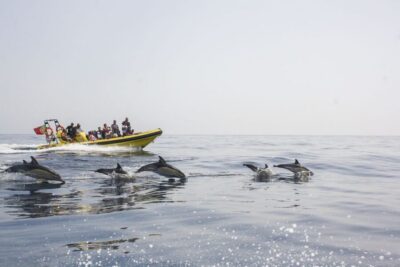
Benagil Caves & Dolphin Watching Speed Boat Tour
Read our review →
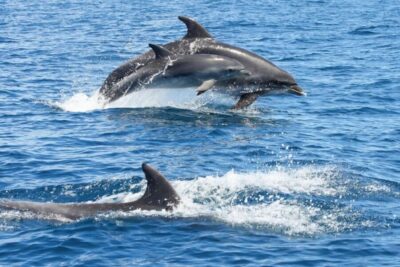
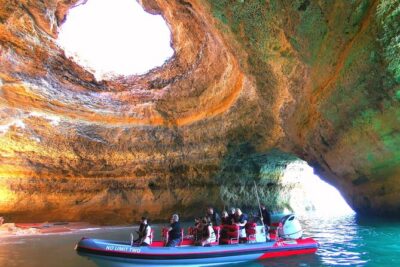
Dolphins Search and Benagil Caves from Albufeira
Read our review →
Dolphin Watching and Benagil Cave Boat Cruise
Read our review →
Browse the lists this tour appears in