

Reviewed · HISTORICAL TOURS
Lisbon: 3-Hour The Slave Trade – An Historical Walking Tour
Lisbon has no shortage of beautiful viewpoints, but this is the kind of walk that forces you to look at the city’s power in a more honest way. I really like how Rui Fernandes leads the experience with training in history, political science, and economics, so the story is grounded, not vague. You start in older Lisbon streets, then connect what you see today to the Atlantic slave trade’s early roots.
I also like that the tour follows the chain of events instead of stopping at one dramatic moment, from the early 15th century under Prince Henry the Navigator to Lisbon’s ties to Brazil and later abolition of slave trading. One consideration: this is a heavy subject, and the guide talks about it plainly, so it is not the right pick if you want only light sightseeing.
Key takeaways
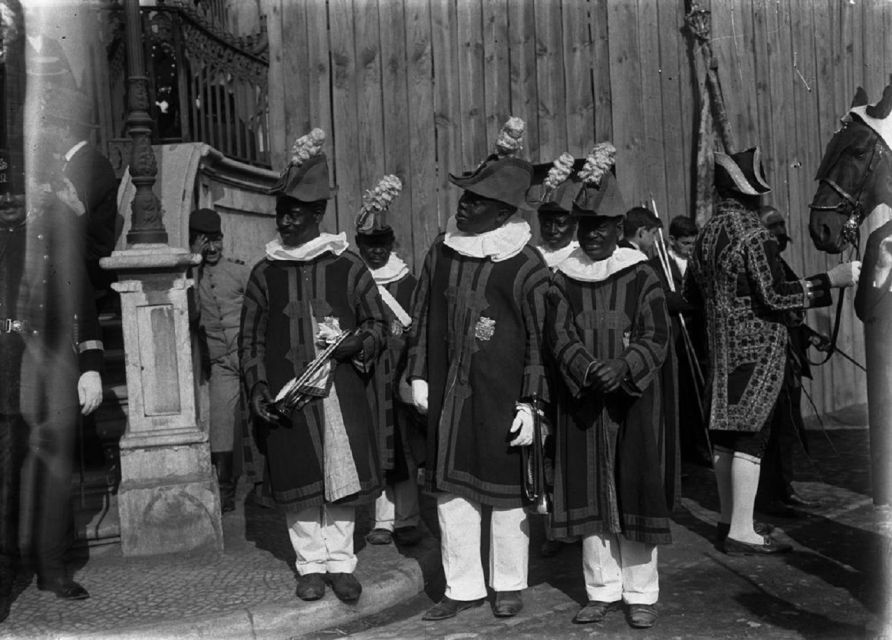
- A licensed local guide, Rui Fernandes, with a background in history, political science, and economics
- Small group size (capped at 6, with a small-group limit overall) for more questions and less rushing
- An Alfama start at Largo do Chafariz de Dentro, then walking back streets plus main avenues
- Portugal’s role in the Atlantic slave trade gets explained on the ground, not just in theory
- Practical break built in, including one coffee and a WC stop
- A respectful, sensitive tone that makes space for personal questions and varied backgrounds
Starting in Alfama: Largo do Chafariz de Dentro and the first clues in the street

The tour begins at Largo do Chafariz de Dentro, in Lisbon’s older fabric where you feel the city is layered. From the start, the walk is designed to train your eyes. You look at street names, building uses, and the way grand structures connect to quieter back lanes. That matters because slavery in Lisbon was not only a distant, abstract event. It shaped institutions, wealth, and everyday life in ways the city still carries.
Expect cobblestones and a slow, steady tempo. Even with the serious topic, the guide’s approach stays practical: he sets the pace, makes sure you can see and hear, and keeps the group together. Several past guests noted the walking is mostly flat or with minimal inclines, which helps if you are not into steep hills.
More Historical Tours in Lisbon
- Lisbon: History, Stories and Lifestyle Walking Tour
★ 4.8 · 10,902 reviews - Lisbon: Daytime or Sunset Boat Cruise with History and Wine
★ 5.0 · 1,053 reviews - Explore Lisbon by Tuk Tuk: History and Viewpoints
★ 5.0 · 840 reviews
The 15th-century shift: Prince Henry, the Atlantic slave trade, and why this Lisbon story matters
The core of the tour is an explanation of how Portugal moved from earlier systems of enslavement into the Atlantic slave trade as it took shape. You learn how, in the first half of the 15th century, the Portuguese push toward ocean exploration connected with the trafficking of human beings across the ocean. The tour frames the scale of the crime in clear numbers, describing how 12 to 14 million Africans were sold into slavery and taken across the Atlantic, with the system lasting for four centuries.
This is where the tour earns its keep. A lot of Lisbon sightseeing focuses on monuments and maritime pride. Here, you connect that pride to the economics behind it. You hear about the genesis of slavery in the Iberian peninsula, then how the birth of the Atlantic slave trade transformed Portuguese development. It is not a guilt lecture for its own sake. It is a cause-and-effect lesson you can carry through the rest of your trip.
You also get a chronology that helps your brain hold onto the big picture:
- the early drivers tied to the Age of Discovery
- the growth of the trade routes and demand
- Lisbon’s role as a key node in the system
- how later events reshaped Portugal’s relationship to slave trading, including abolition of the trade in Portugal
- the wider loop back to Africa, including Portuguese colonies and resistance by African nationalists
Reading Lisbon’s sights as evidence, not decoration
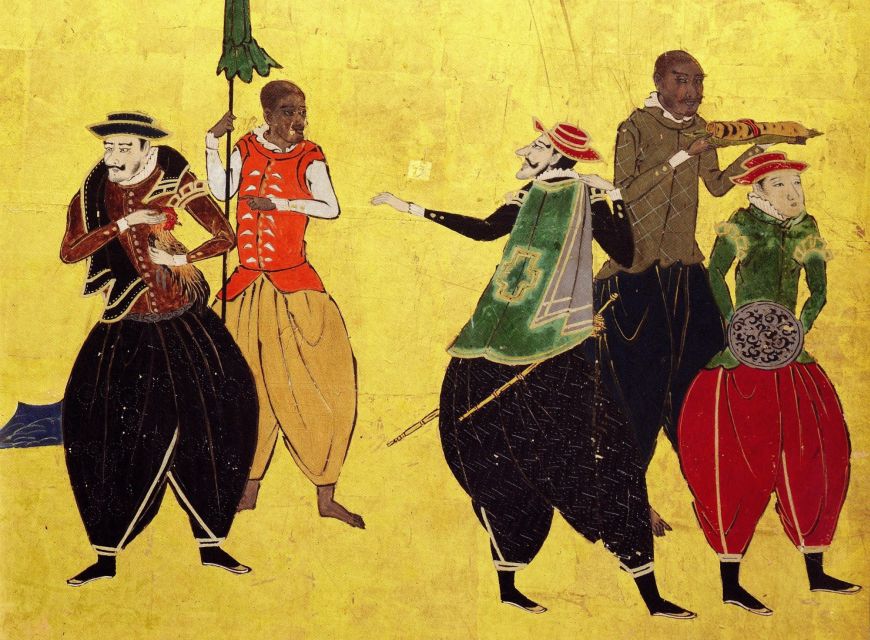
One of the best ways to understand this topic is to watch how the guide points out meaning in ordinary places. The tour moves through a mix of main avenues, monuments, churches, and public squares, but the emphasis is on interpretation. You do not just walk past a landmark and hear a date. You learn the connections that make the landmark part of a larger system.
Past guests highlighted that the walk feels like the history comes alive through the physical city: how street names carry traces, how building features hint at older uses, and how the present-day look of Lisbon can reflect decisions made centuries ago. This is especially important in Alfama and surrounding neighborhoods, because the streets themselves help you picture who lived where, what power looked like, and how movement through the city worked.
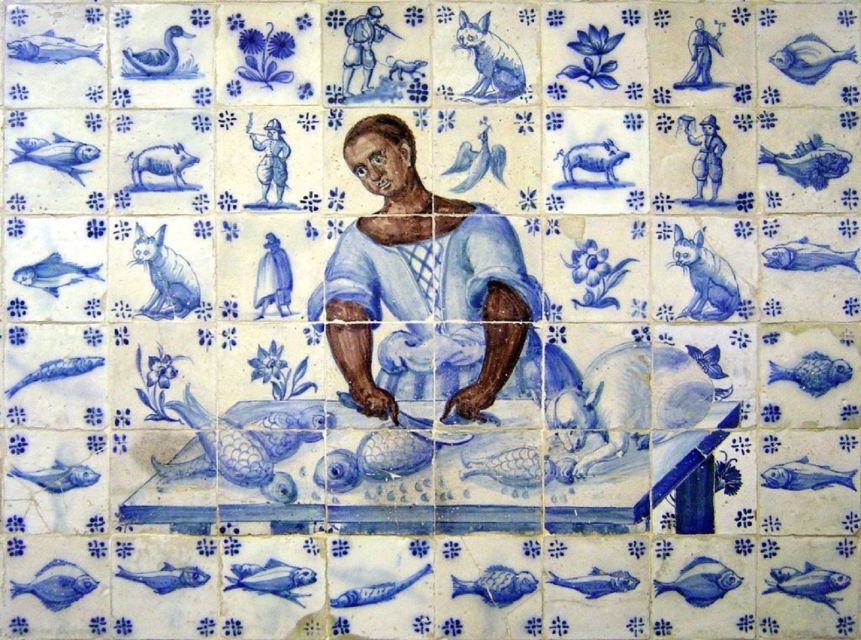
You will also hear discussion that goes beyond “big events.” The tour covers the day-to-day aspects of the life of a slave living in historical Lisbon. That portion helps the story move from statistics to human reality, without turning the topic into sensationalism. The tone stays respectful, and the guide makes room for questions as you walk.
Brazil and the Atlantic web: how Lisbon gained wealth from distant suffering
Lisbon’s story is tied to far more than Portugal. A major theme is the importance of Brazil, which helps explain why this was profitable and not just incidental. The tour connects the Portuguese maritime and trading world to the demand for labor across the Atlantic, showing how systems of violence produced wealth and political influence.
This part is valuable because it prevents a common trap: thinking of slavery as a separate chapter that ended somewhere else. Instead, you learn how Lisbon sat at a crossroads linking Europe, Africa, and the Americas. If you plan to visit other museums and read plaques after the tour, you will spot references and feel less lost. You will also understand why the conversation is still politically and morally present today.
More Walking Tours in Lisbon
- Best of Lisbon Small-Group Guided Walking Tour
★ 5.0 · 4,869 reviews - Lisbon: Food and Wine Small Group Walking Tour
★ 4.9 · 4,082 reviews - Best of Lisbon Walking Tour: Rossio, Chiado & Alfama
★ 4.9 · 2,700 reviews - Age of Discoveries Walking Tour in Belém
★ 5.0 · 1,513 reviews
Your guide experience: Rui Fernandes, clear pacing, and lots of questions
The guide is a big reason this tour scores so high. Rui Fernandes is repeatedly mentioned for two things: patience and clarity. You get information in an even pace that makes it easier to follow, even if the subject is new to you. Multiple guests also noted that he includes visual material, helping you picture concepts instead of only listening to explanations.
If you care about asking questions, this format is built for it. Small groups make it easier for the guide to answer without rushing, and he actively encourages questions throughout the walk. Past guests also described the way he remembers names and makes people feel included, which sounds small, but it changes the energy of a walking tour.
One especially moving point from reviews is how sensitive and inclusive the guide can be, particularly for people who have personal or family connections to enslavement. That does not mean the tour avoids hard truths. It means the conversation stays human.
Walking logistics that matter: 3 hours, coffee break, and group size you can actually handle
This is a 3-hour walking tour with a small group. You are looking at a cap of 8 participants, with the experience described as limited to a maximum of 6 for an engaging time together. For a topic this intense, that is a real quality factor. You are not stuck listening to a megaphone explanation while trying to see the same corner as 40 people.
The tour includes one coffee and one WC break. That sounds basic until you are in Lisbon, walking on cobblestones with serious subject matter in your ears. A mid-walk reset keeps you from getting overloaded and gives you a natural moment to ask questions in a less formal setting.
In terms of difficulty, reviews mention the walking is mostly flat or with minimal inclines, with the guide attentive to shade on hotter days. That means you can show up without planning to train for a mountain hike. Still, bring comfortable shoes. Cobblestones do not care about your itinerary.
Price and value: what $35 buys you beyond a standard city tour
At $35 per person for a 3-hour walking tour, the value comes from three places.
First, you are paying for a rare subject handled with real context. A lot of tours in Lisbon touch slavery only in passing, if at all. Here, the guide connects the city’s growth to the Atlantic slave trade and then follows the thread through Portugal, Africa, and the Americas. If you want one Lisbon experience that changes how you interpret the city, this is built for that.
Second, you get time. A 3-hour format lets you cover the early 15th century foundations, the Age of Discovery connection, the role of Brazil, abolition in Portugal, Portuguese colonies in Africa, and resistance by African nationalists without feeling like you are skipping from one headline to the next.
Third, the small group makes the price feel more fair. When you can ask questions and hear answers clearly, you are not just buying a route. You are buying a guided conversation. For people who like history and international affairs, that is where the money turns into meaning.
Who should book this tour, and who might want a different style of Lisbon day
This is a strong fit for you if you want Lisbon to make sense beyond its postcard faces. You should book if you:
- enjoy history that connects politics, economics, and everyday life
- want a clearer understanding of Portugal’s role in the Atlantic slave trade
- like asking questions and getting direct answers
- want your walking tour to include context that other sightseeing often skips
You might choose something else if you are looking for a relaxed, casual introduction to Lisbon’s highlights only. This tour is about a painful topic. It is educational, but it is not light.
If you are traveling with mixed comfort levels, you can still consider it, since the guide has a reputation for being patient and respectful, including when people ask difficult questions. In other words, you do not have to be an expert to participate, but you do need emotional readiness.
Should you book Lisbon’s Slave Trade historical walking tour?
Yes, if your goal is a Lisbon day that teaches you how to read the city responsibly. This tour gives you a guided framework for understanding how Portugal’s Atlantic connections were built on human suffering, and it does it in the very streets where you can still see the city’s physical layers.
Book it if you value clarity, patient explanations, and a small group format with real Q and A time. Bring comfortable shoes, and mentally prepare for history that is uncomfortable. If that sounds like your kind of travel, this one belongs in your Lisbon plan.
FAQ
How long is the Lisbon 3-Hour The Slave Trade walking tour?
The tour lasts 3 hours.
Where do I meet the guide?
Meet your guide at Largo do Chafariz de Dentro.
How much does the tour cost?
The price is $35 per person.
What is included in the tour price?
You get a live tour guide, local taxes and fees, plus one coffee and one WC break.
Is the tour in English?
Yes, the tour is conducted in English.
How big is the group?
It is limited to 8 participants, and it is described as capped at a maximum of 6 for an engaging experience.
Is hotel pickup or drop-off included?
No. Hotel pickup and hotel drop-off are not included.
What should I bring, and are pets allowed?
Wear comfortable shoes for the walking. Pets are not allowed.
Latest reviews from Lisbon
- Lisbon Street Art – Private Guided Tour in a Electric Tuk Tuk★ 5.0 · 72 reviews
- Private Lisbon Walking Tour★ 5.0 · 72 reviews
- Pastel de Nata Workshop in Lisbon★ 5.0 · 72 reviews
- Palace Penna entrance included, Sintra, Cascais, Cabo Roca, private★ 5.0 · 72 reviews
- Group to Pena Palace, Sintra (pass by Regaleira) and Cascais★ 5.0 · 73 reviews
- Lisbon: Private Food Tour – 10 Tastings with Locals★ 4.8 · 73 reviews
- Lisbon: Transfer to Porto with Obidos and Nazare★ 4.9 · 73 reviews
- Secret Walking Food Tours in Lisbon – Belém★ 5.0 · 73 reviews
Historical Tours, compared.
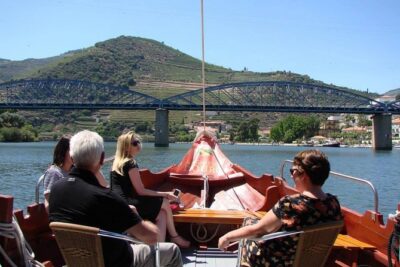
Douro Valley: Historical Sites, Wine Experience, Lunch & Cruise
Read our review →
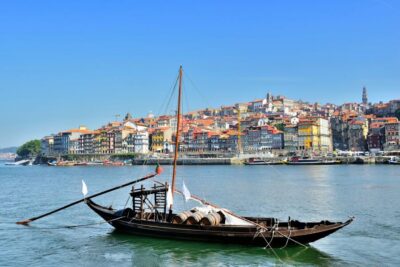
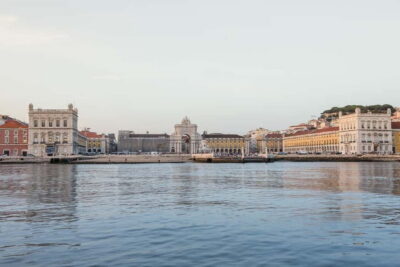
Daytime or Sunset Boat Cruise with History and Wine
Read our review →
Private Tour of the Historic City in a Ford T Car
Read our review →
Browse the lists this tour appears in