
Reviewed · AVEIRO & COSTA NOVA DAY TRIPS
Aveiro: Stories, Canals, and Tiles Guided Walking Tour
Aveiro is one of those places where you don’t just see sights, you start piecing together how a working lagoon city became an art and tile city. This guided walking tour connects the streets, the canals, and the ceramics so the whole place makes sense fast.
I especially love learning to recognize the lagoon boats and understand what they were for. I also like how the tour treats tiles as history, not decoration, with azulejos that stretch from early modern times to today.
The main drawback is simple: it is a 2 hour walking tour that runs rain or shine, and it is not a good fit if you have mobility limits or low fitness.
Why Aveiro Tiles and Boats Work So Well on Foot
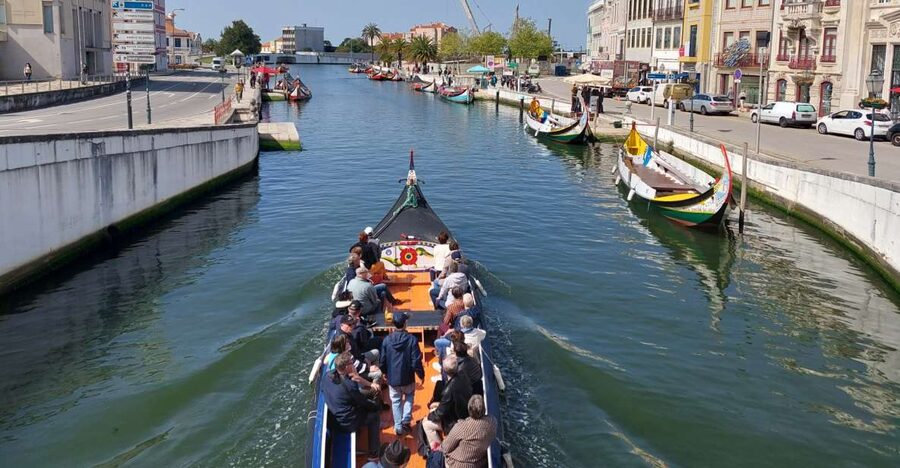
- Moliceiros and mercanteis, explained in context, so you notice the shapes on the canals instead of just passing them
- Azulejos across centuries, from early modern panels to more modern tile styles, including Art Nouveau and Art Deco touches
- Church stops that feel small but punchy, like the Carmelite Convent Church, which packs baroque drama into a compact space
- Canals with real utility, including the Canal da Fonte Nova and the lagoon logic behind Aveiro’s water network
- A sensory walkthrough that brings in the salt air feeling of the Ria, not just facts on a page
- A guide who stays flexible, with time for questions and practical tips like where to eat eel stew and ovos moles
From Praça da República to Rua de Coimbra, Getting Your Bearings Fast
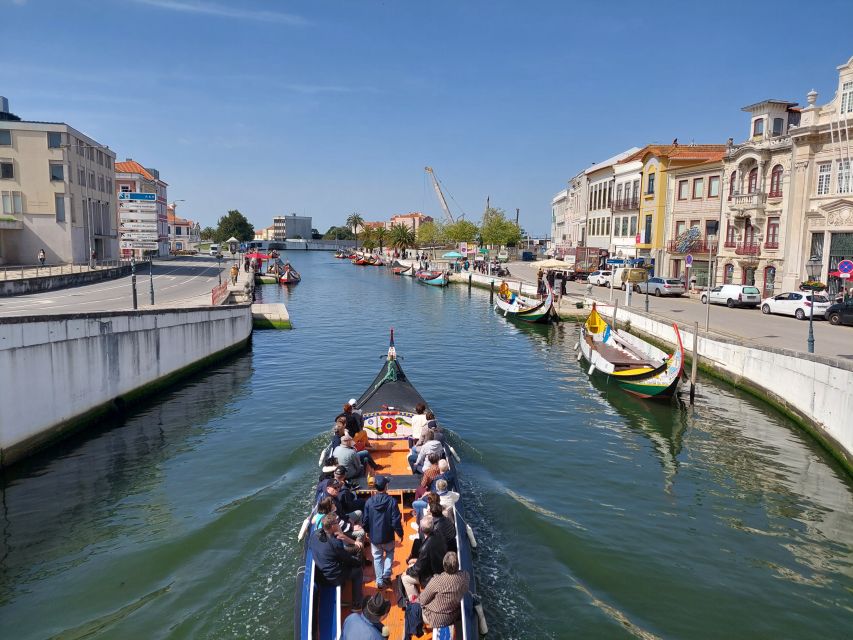
You start in the heart of town at Praça da República, near the statue in the center of the square. Your guide will be easy to spot, wearing a yellow and blue card, and you’ll begin with landmarks that set the tone: the Town Hall and the Misericórdia church.
This first stretch is about orientation. Instead of a random sightseeing loop, you learn the street rhythm behind the city. When you move onto Rua de Coimbra, the tour talks about the black and white calçada à portuguesa, the traditional Portuguese pavement pattern. It sounds minor until you realize the tiles and stones are part of how Aveiro communicates its identity at street level.
Why this matters for you: tiles and canals can feel “pretty but vague” until someone gives you a lens. Early on, you’re taught what to look for, and the rest of Aveiro starts clicking into place.
More Aveiro and Costa Nova days:
- Aveiro: Traditional Moliceiro Boat Tour
★ 4.5 · 3,443 reviews - Aveiro: Scenic Guided Boat Tour
★ 4.4 · 1,342 reviews - Aveiro: Traditional Moliceiro Boat Cruise
★ 4.5 · 797 reviews
Igreja da Misericórdia and the Carmelite Convent Church: Baroque in a Small Footprint
One of the tour’s strengths is that it balances big stories with compact stops. The tour includes entrance to the Church of Mercy (Misericórdia), then later you head into the Carmelite Convent Church in the Marques de Pombal square.
The Carmelite Convent Church is described as a small but impressive baroque jewel. That phrasing is exactly what you’ll feel on site. Baroque is often overdone in huge spaces, but here the drama is tighter, and the details are easier to focus on.
Practical tip: wear shoes with grip. Churches are included, but most of the time you’re still walking between them, and the change from bright street light to darker interiors is easiest when you don’t rush.
Also, this tour is rain or shine. If the weather turns, the churches become a nice reset, but you still need the stamina to keep moving.
Azulejos Everywhere: Santa Zita, Sapataria Leão, and Tiles as City Memory
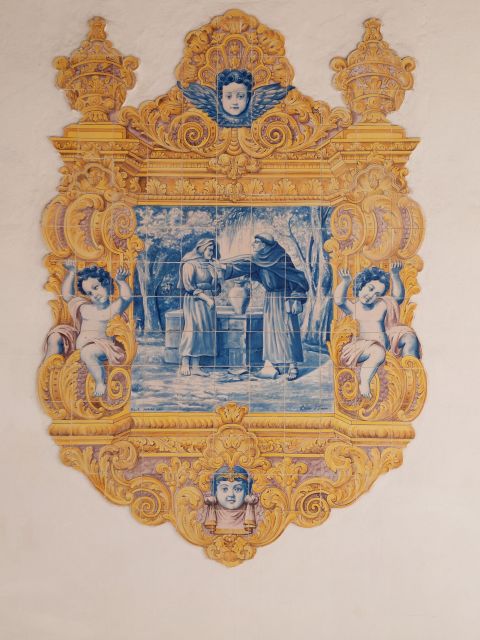
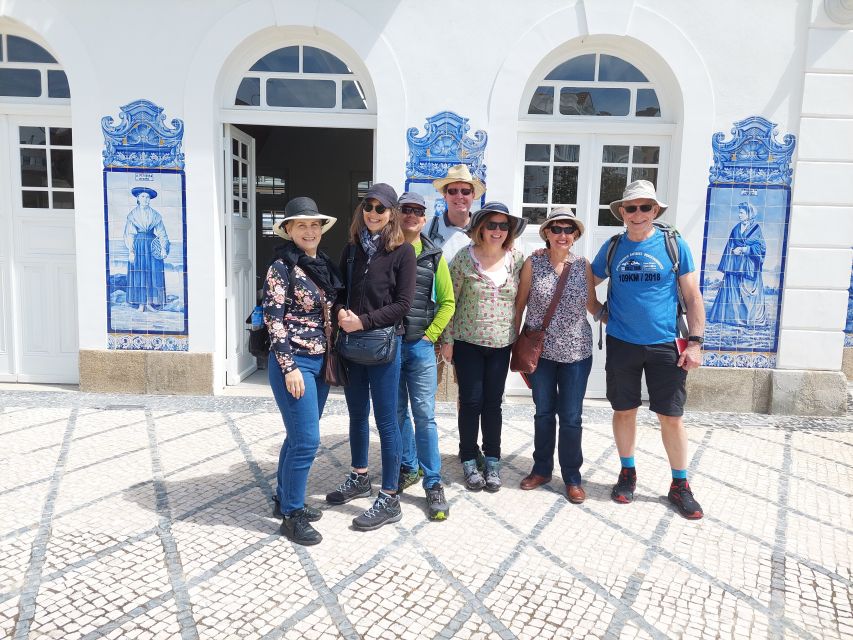
After the convent stop, the walk becomes tile-heavy in the best way. You’ll pass the tile panels of Casa de Santa Zita and Sapataria Leão, and this is where the tour’s theme really shows up.
The key idea you take away is that azulejos are not just pretty surfaces. They are a kind of city memory. They reflect who had money, who wanted to display taste, and how artistic styles traveled over time. You also learn how to spot style changes as you go, including marks of Art Nouveau and Art Deco.
This is also where the tour helps your eyes do new work. Once you understand what you’re looking for, you start noticing things you missed the day before you arrived. That’s the main reason I think this tour is a good use of time even if you only have a half day in Aveiro.
Princess Santa Joana and the Cathedral Area: Patron Saints in the Streets
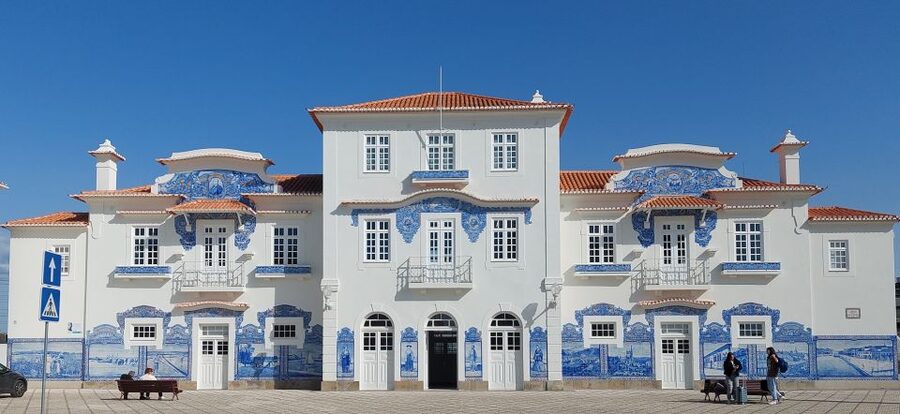
Next you head past the Dominican Convent of Jesus, where the tour brings in the history around Princess Santa Joana, Aveiro’s patron saint. Then you pass by the cathedral area and keep the flow moving.
This part can be surprisingly fun if you like human stories. Patron saints stories often feel abstract until someone ties them to how a city developed. In this case, you get a sense of why certain neighborhoods feel the way they do and why certain sites matter to locals.
What I like here for you: you’ll come away understanding the difference between a church you visited and a church that helped shape the city’s identity.
More Walking Tours in Aveiro:
- Aveiro: Walking Tour, Boat Cruise, Sweets & Church Entrance
★ 4.7 · 375 reviews - Lisbon: History, Stories and Lifestyle Walking Tour
★ 4.8 · 10,902 reviews - Best of Lisbon Small-Group Guided Walking Tour
★ 5.0 · 4,869 reviews - Lisbon: Food and Wine Small Group Walking Tour
★ 4.9 · 4,082 reviews
Canal da Fonte Nova and the Ceramics Factory Footprint
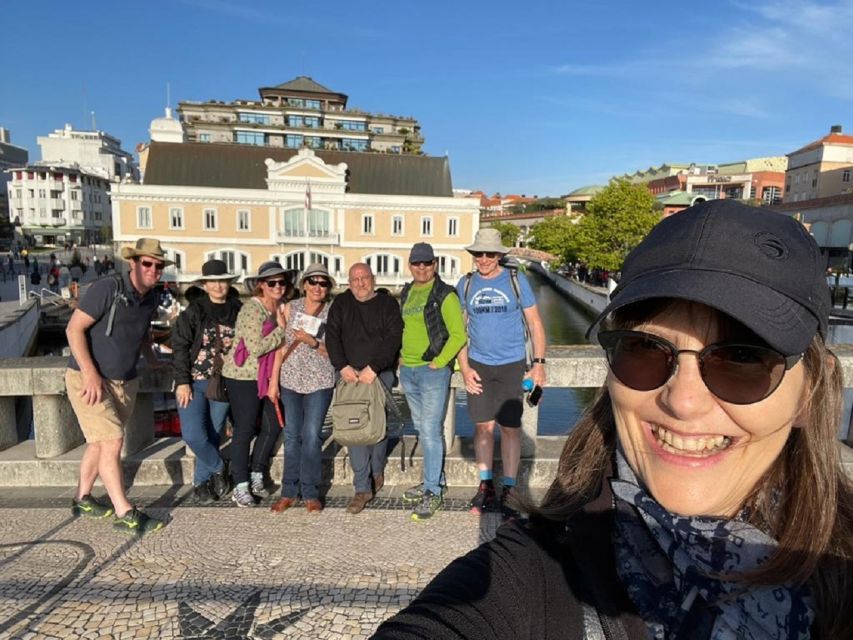
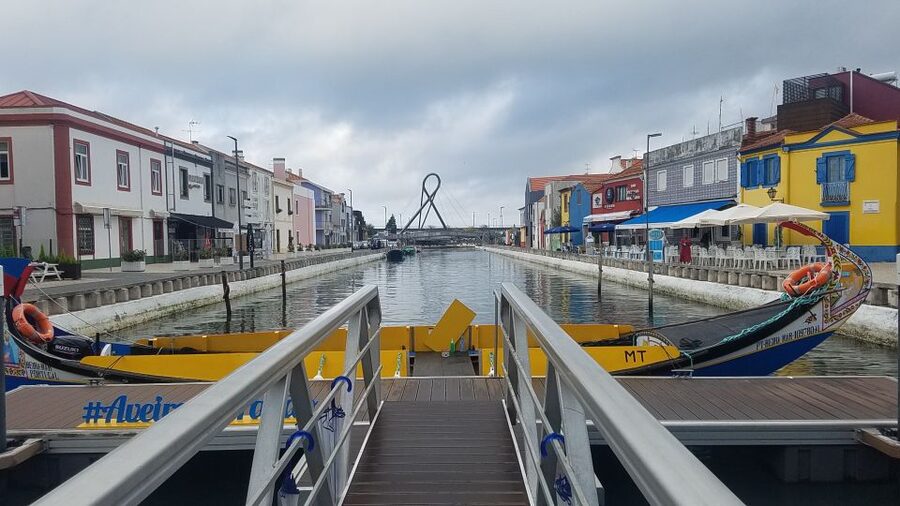
You eventually reach the Canal da Fonte Nova, and this is one of the more “real city” moments. The tour points out that while Aveiro once had many ceramics factories, at this canal the building of one of those factories still stands.
This matters because it connects the dots between the boats and the tiles. Aveiro’s lagoon was a work system, and ceramics were part of the broader industrial and commercial energy of the city. If you’ve ever wondered why places with water and trade end up with strong material traditions, this is the kind of stop that answers it without turning into a lecture.
Here’s the practical takeaway: slow down for a moment when you’re near the canal. It is easier to read the space when you stop and let the water and buildings sink into your brain.
Along the Canals to the Ria: Moliceiros, Mercanteis, and Salt-Air Atmosphere
The tour then moves along the canals and explains their genesis and utility. This is where you get a grounded look at how the city works.
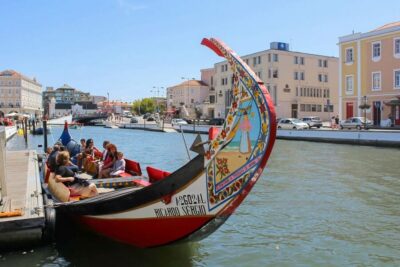
You’ll also focus on the traditional lagoon boats of the Ria de Aveiro, with a chance to recognize moliceiros and mercanteis. The point isn’t just naming boats. It is learning what roles they played, so you can understand why the canals and boat designs look the way they do.
You may notice the guide includes the sensory angle too, with mentions of the lagoon smell and the salt air feeling. That sensory detail is more than poetic. It helps you remember the place later, because you attach facts to a real physical experience.
If you’re also considering a canal boat trip during your trip: this walking tour is a great primer. It helps you get what you’re seeing before you spend time on water.
Beira Mar and the Museum of Art Nouveau Facades
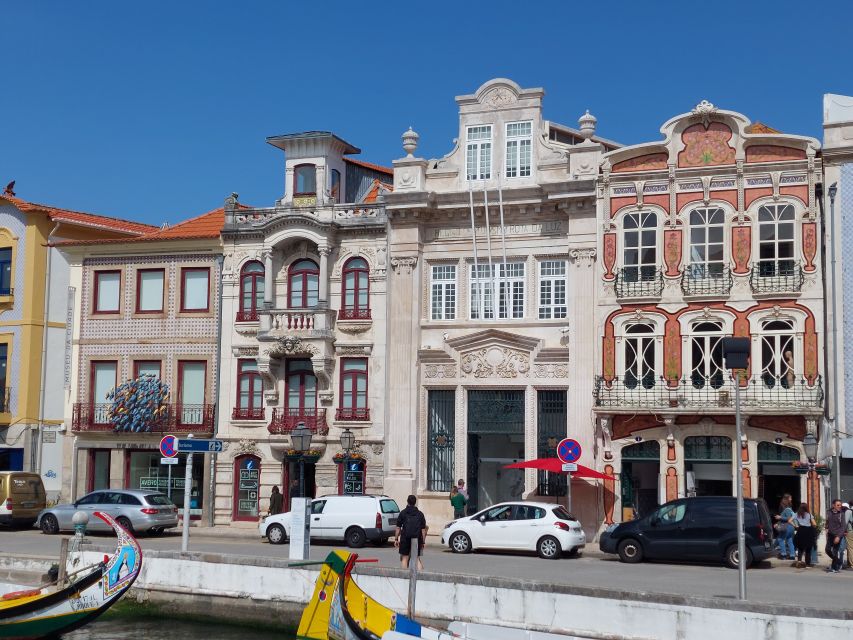
Next comes the Beira Mar neighborhood, where tiles keep filling your eyes and the city’s design history becomes easier to spot.
The tour also calls out iron architecture from the turn of the 19th to the 20th century, and it makes a point of showing you the two facades of the Museum of Art Nouveau.
Even if you do not go inside a museum, this kind of exterior focus is worth it. Facades tell you about the city’s style confidence, its materials, and its aspirations during different decades.
One practical note: if you visit later, you’ll know what details to look for, especially in the way iron elements and decorative patterns interact. It turns random street styling into something you can actually interpret.
Saltpans, Aveiro’s Power Years, and How the City Returned Strong
On the way toward the saltpans, the tour shifts into a timeline story.
You’ll hear about Aveiro’s power from the 11th to the 15th centuries, then how it crossed the desert in the 17th and 18th centuries, and later its revival in the 19th century. The walking format makes these big-picture jumps feel manageable. You are not stuck inside a classroom. You’re moving past the real places where those cycles mattered.
The saltpans stop is also a good moment to connect industry to landscape. Even if the salt pans are not the star of your photos, the explanation makes them feel important, not just scenic.
Eel Stew, Ovos Moles, and the São Gonçalinho January Ritual
As the tour heads back, it ties in local food, because Aveiro’s story is also edible.
You’ll get references to eel stew and traditional sweets, especially ovos moles. If you’re the kind of eater who likes to understand why a dish exists, this section gives you a cultural context that makes the first bite more satisfying.
Finally, the tour ends at the Church of São Gonçalinho. The guide references the traditional January festival, including a ritual where a hard and heavy sweet is literally thrown over the heads of the faithful, a joyful tradition connected to the local calendar.
Even if you are not visiting in January, this ending is memorable because it reminds you that Aveiro does not treat tradition like a museum item. It stays alive in small, weird, human ways.
Price and Value for a 2 Hour Introduction to Aveiro
At $23 per person for a 2 hour guided walk, this is priced like a true orientation tour, not a long day commitment. You are paying for interpretation, not just movement.
Here’s what makes it feel like good value:
- You get structured time in the exact places that explain Aveiro, from tiles to canals to churches.
- Entrances to the Church of Mercy and the Carmelite Convent Church are included. That matters because it saves you decision-making.
- The guide includes multiple “recognition skills” like identifying lagoon boats (moliceiros and mercanteis) and spotting design periods (Art Nouveau and Art Deco). Those skills pay off later as you walk on your own.
If you were tempted to spend the same money on separate, unconnected activities, this tour gives you a framework. Later, you can choose food, museums, or boat rides with a clearer sense of what you’re looking at.
Who This Walking Tour Suits Best (And Who Might Be Happier Elsewhere)
This tour is a strong match if you like:
- Architecture and design details, especially azulejos and exterior facades
- City stories that explain why places look the way they do
- Getting practical recognition skills, like boat spotting on the lagoon
It is not suitable for:
- Children under 10
- People with mobility impairments or wheelchair users
- People with low level of fitness
- Anyone traveling with luggage or large bags, and the tour does not allow baby carriages
If your goal is a relaxed browse with no stepping-stone learning, you might find it feels structured. But if you want your Aveiro day to feel coherent, this is a smart starting move.
Also, because the tour runs rain or shine, plan clothing accordingly. Bring sunscreen, and wear comfortable shoes you trust. You will be on your feet.
Should You Book This Tour With Tony Walker?
I’d book it if you want a fast, meaningful way to understand Aveiro beyond postcards. For $23, you’re getting two paid church entrances, a carefully built route through tiles, canals, and design eras, plus the kind of guide energy that turns details into something you actually remember.
Skip it if you cannot comfortably do a 2 hour rain or shine walking experience, or if you need wheelchair accessibility. In that case, you’ll be happier with a shorter, more stationary option.
If you do book it, do one thing that pays off instantly: keep your eyes up while you walk. The guide gives you the tools, and Aveiro rewards you for looking closely.
Latest reviews from Aveiro
- From Aveiro/Ilhavo: Barra, Costa Nova, and Vista Alegre Tour★ 4.9 · 72 reviews
- Aveiro: Ria Highlights Boat Tour★ 4.9 · 222 reviews
- Aveiro: Scenic Guided Boat Tour★ 4.4 · 1,342 reviews
- Aveiro: Traditional Moliceiro Boat Tour★ 4.5 · 3,443 reviews
- Aveiro: Walking Tour, Boat Cruise, Sweets & Church Entrance★ 4.7 · 375 reviews
- Aveiro Ovos Moles Workshop★ 4.6 · 110 reviews
- Aveiro: Moliceiro Boat Tour★ 4.3 · 43 reviews
- Aveiro: Traditional Moliceiro Boat Cruise★ 4.5 · 797 reviews
Aveiro & Costa Nova Day Trips, compared.
Aveiro and Costa Nova Half Day Tour from Porto with Boat Ride
Read our review →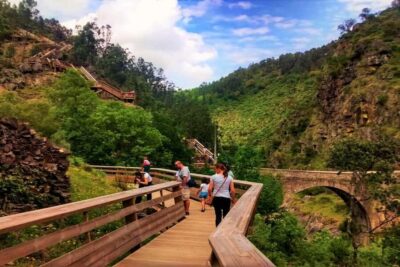
Aveiro, Paiva Walkways, & Suspension Bridge Tour
Read our review →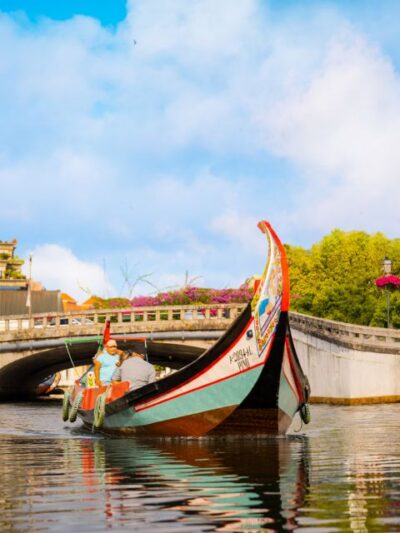
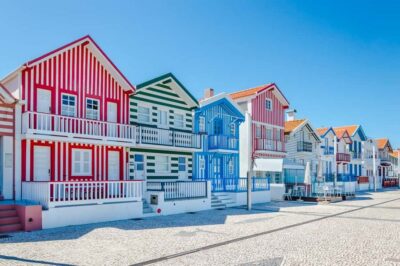
Half-Day Tour from Porto with Optional Cruise
Read our review →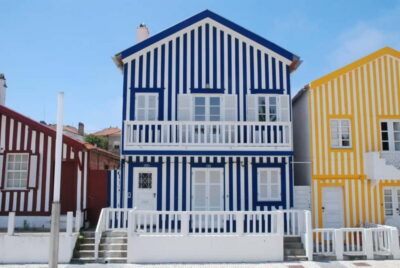
Aveiro, Cruise, Costa Nova & Capela da Pedra Full Day
Read our review →
Porto to Lisbon Up to 4 Stops: Aveiro, Nazare, Fatima & Obidos
Read our review →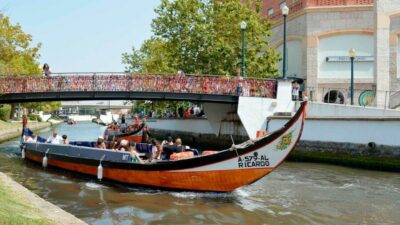
Browse the lists this tour appears in