
Reviewed · TICKETS
CCVAlgarve Individual Ticket
This experience is interesting because it takes big ideas about the coast and turns them into things you can push, touch, and test at the Algarve Life Science Centre. I love the touch tank where you can interact with animals from the Ria Formosa intertidal zone, and I love the two aquariums that show how very different water worlds look and work. One possible drawback: it is a self-guided science museum day, so if you want a strict, timed program led by a guide, you may feel a little free-form.
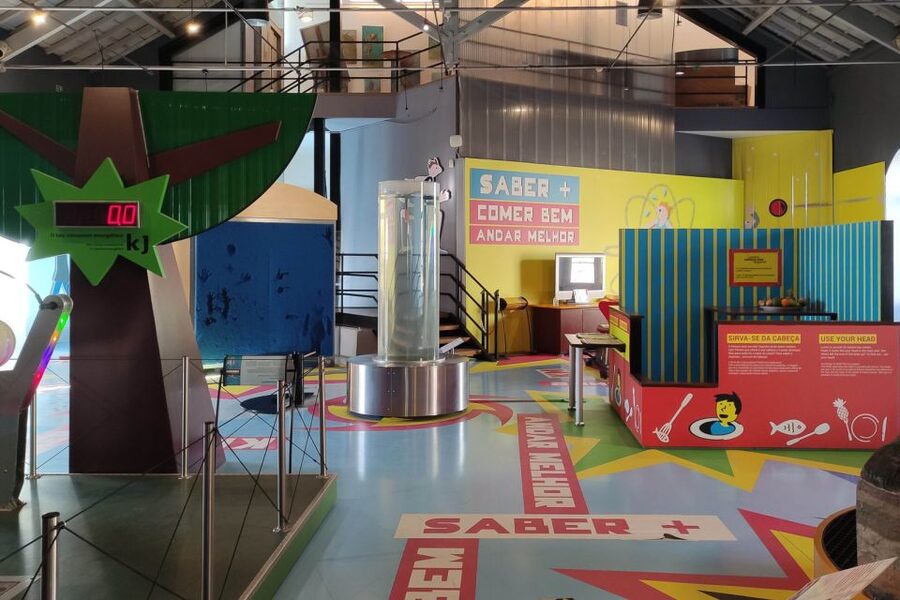
You can also expect a playful run through hands-on stations, including an earthquake feel, a live tornado display, and other interactive modules tied to physics, geology, weather, and food. It is especially good for families because the space is set up to keep kids moving, and the aquarium segment is a clear crowd-pleaser, with lots of room to learn without feeling lost.
Key highlights you should not miss
- Two aquarium worlds: one tropical tank plus a Ria Formosa coastal lagoon setup
- Sensitive seahorses from the Ria Formosa ecosystem
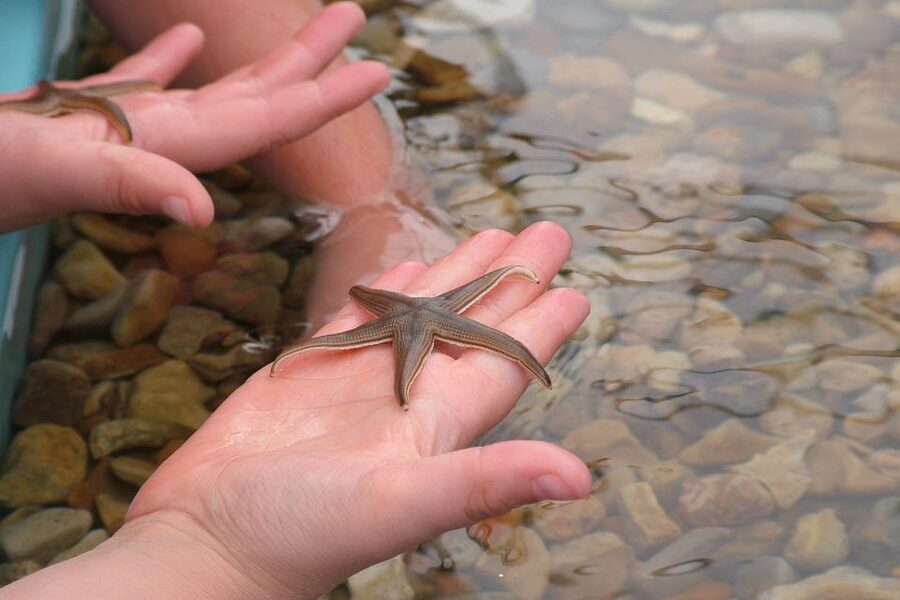
- Touch pool interaction with animals connected to the intertidal zone
- Earthquake and tornado experiences through interactive displays
- Hands-on science for multiple subjects (physics, geology, meteorology, volcanoes, food)
- A pizza-calories guessing moment that turns food facts into a game
Entering Algarve Life Science Centre without stress
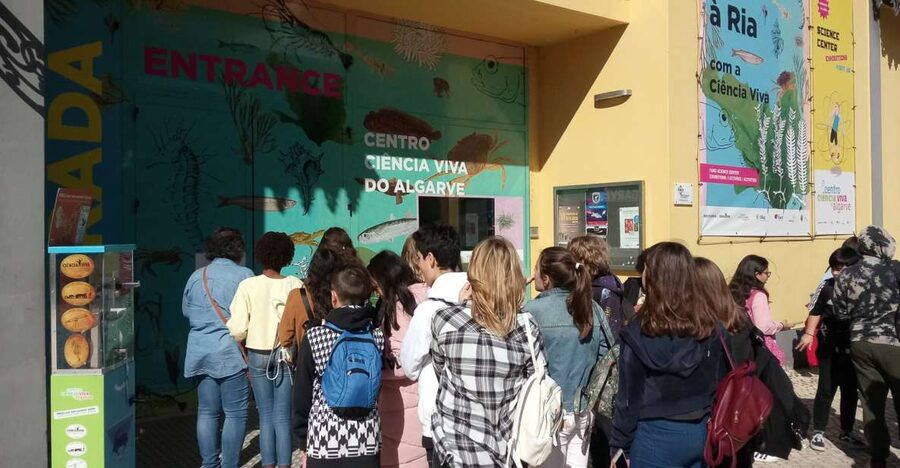
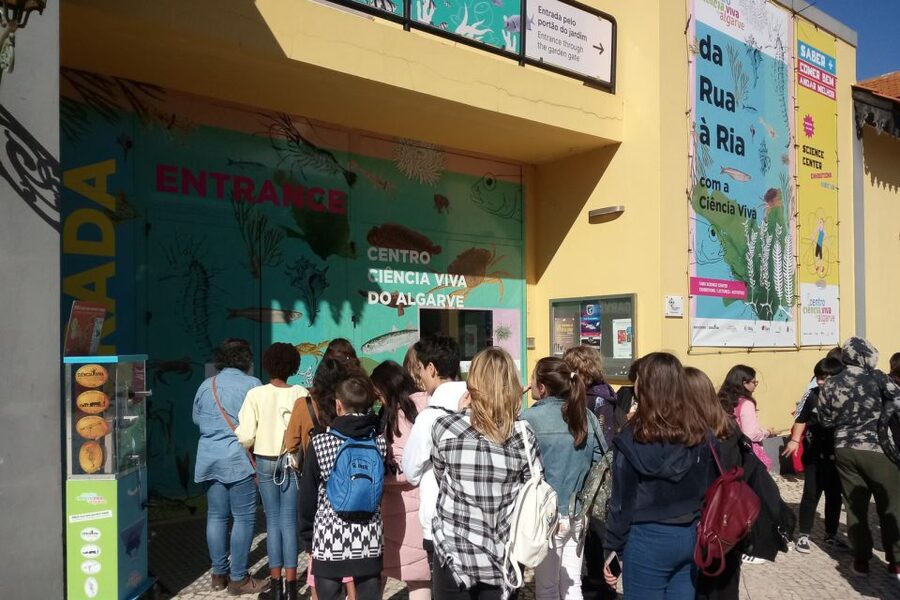
Your ticket check is simple. You go into the Algarve Life Science Centre, then show your CCVAlgarve individual ticket at the reception counter. The building is big and yellow, and the entrance sits in the middle, right in front of the castle walls area. If you arrive a bit early, you can usually get your bearings fast and start picking what to see first.
This is a one-day visit, and you’ll want to check availability for starting times so your plan matches your day in the Algarve. Wheelchair access is available, and the venue notes that assistance dogs are allowed, while pets are not. Also plan on a no-alcohol, no-drugs policy during your visit.
The museum is designed for you to move between zones. That means you can go slow with the aquariums, or you can bounce quickly between interactive stations if you have energy to spare. The best strategy is to commit to one “deep” focus, like the Ria Formosa ecosystem, and then use the other areas to fill time.
More time on the Algarve:
- Portimão: Benagil Caves Speed Boat Tour with Sunset Option
★ 4.8 · 11,663 reviews - Albufeira: 2.5-Hour Benagil Caves & Dolphin Watching
★ 4.6 · 10,710 reviews - Portimão: Benagil Sea Caves Speedboat Adventure Tour
★ 4.8 · 6,546 reviews
The real star: aquariums that explain the Ria Formosa
The heart of this visit is the Ria Formosa focus, and the museum builds that story using two aquariums that feel like two different lessons.
First, you have a tropical aquarium, which sets the stage with warmer-water life and the idea that ecosystems can vary dramatically based on temperature, salinity, and habitat. Then you move into the aquarium representing the sub-real environment of the Ria Formosa. This is where the education sharpens. The display is built to connect what you see in the tank with the coastal lagoon ecosystem outside, which is a key part of why this ticket feels more than just a walk-through.
What I like here is the way the museum doesn’t force you to memorize terms. Instead, you see how an ecosystem works, then you connect that to the species living there. If you enjoy learning by looking, this setup works well.
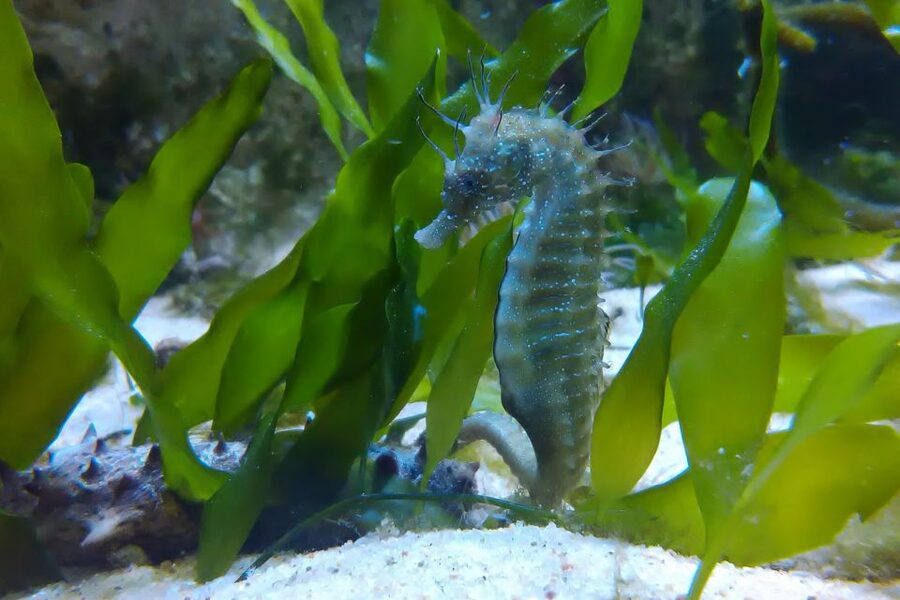
You should also plan time for the seahorses. The museum specifically calls out sensitive seahorses from the Ria Formosa environment, and that is a perfect hook. Seahorses tend to make people curious, and curiosity is what gets you to pay attention to details like habitat needs and life cycles.
Touch pool and touch tank time, and what to learn from it
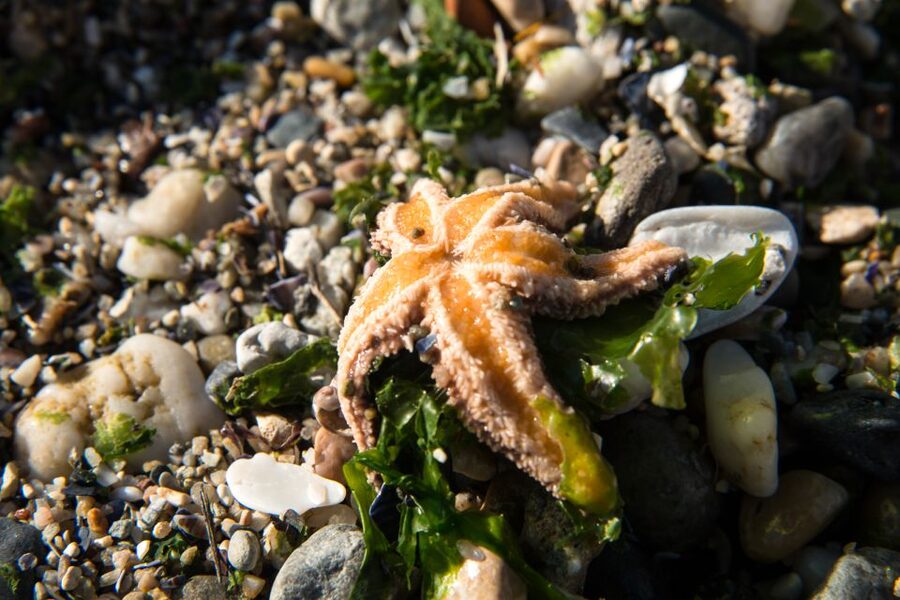
The most memorable part for many people is the touch area. The museum includes a touch pool, sometimes called a touch tank in the experience description, where you can interact with animals connected to the Ria Formosa intertidal zone. The intertidal zone is that in-between band where conditions change as tides rise and fall, and that changing environment affects which creatures can survive there.
Here is the practical reason this matters: it turns “coastal ecology” from a phrase into something you can experience with your own senses. You are not just reading about organisms. You are getting a direct feel for how these animals fit into an ecosystem defined by constant change.
In this touch area, you can also learn how animals relate to the environment and understand their life cycle. That life cycle context is what separates a fun petting moment from real learning. It helps you see that the animals you encounter now are part of a system with stages and timing, not just individual characters floating around in a tank.
One thing to keep in mind: you may have to follow the staff’s guidance closely for safety and animal care. Also, expect some hands-on stations to have short wait times depending on the number of people in the museum that day. If you want a relaxed experience, aim to hit the touch area earlier in your visit.
Physics, geology, meteorology, and volcanoes, in kid-friendly form
After the aquariums, you’ll likely want to swing through the stations clustered around Physics, Geology, Food, Meteorology, and Volcanos. The museum turns these topics into interactive displays that can feel like a science playground, but they are structured enough that you come away with understanding, not just entertainment.
A few highlights to look for:
- The experience of an earthquake feel, so you can grasp how vibrations and motion translate into real-world effects.
- A live tornado display, which helps you see how atmospheric forces get turned into motion.
- Other interactive modules that tie back to the overall theme of how natural forces work.
What I like about these stations is that they give you a mental model quickly. You don’t need a science degree to get something out of them. You can try the experience, notice what changes, and connect it to the idea behind the display.
A good tip: don’t rush through every station. Pick the ones that match your curiosity. If you love storms, spend longer in the meteorology-feeling zones. If geology is your thing, linger where you see the geology-focused interactions. This museum is built so you can tailor your day without getting “wrong” answers, and that freedom is part of the value.
More of Algarve to look at
- Albufeira: MiniGolf Adventure Park Entry Ticket
★ 4.4 · 1,040 reviews - Algarve: Krazy World Interactive Park Entry Ticket
★ 4.2 · 377 reviews - Sintra: Pena Palace and Park Entrance Ticket
★ 4.2 · 17,410 reviews - Lisbon: Jerónimos Monastery Entrance Ticket
★ 4.1 · 14,164 reviews
The pizza-calories guess and why the food station works
Yes, there is a module where you get to guess how many calories are in a pizza. It sounds silly, but it is actually a smart way to make nutrition information feel real.
Food is a science topic because it connects biology, energy, and the way the body uses inputs. A guess-and-check style activity is great for learning because it forces you to confront what you assume. You end up thinking, How did I come up with that number? What factors make it different from what I pictured?
If you are traveling with teens, this type of activity often lands better than a lecture. For adults, it can still be a fun reality-check. It is one of those stations where you can walk away feeling like you did something, not just watched something.
3-D printer time: creativity meets practical learning
The experience includes a 3-D printer as part of the science center day. Even if you are not printing anything yourself, the presence of a 3-D printer signals the museum’s wider message: science is not only observation, it is making.
If you like modern tech, this area can be a pleasant bridge between the natural world you just studied in the aquariums and the more future-facing tools that science enables. For families, it often helps keep momentum between exhibits, especially when kids are done looking at tanks and ready for something tactile and new.
Practical timing: how to plan your one-day visit
This is a one-day experience, so your biggest decision is how to pace yourself. Since there are multiple zones, I recommend you start with the Ria Formosa theme, then build around that.
A solid flow looks like this:
- First, go to the two aquariums and spend enough time to really compare the tropical setup with the Ria Formosa environment.
- Next, make your way toward the touch pool and plan for safety rules and possible short waits.
- Then shift into the interactive physics and weather zones, including the earthquake and tornado experiences.
- If energy remains, finish with the food module and the 3-D printer.
If you are short on time, you can still do a good visit. But if you try to do everything at speed, the details get fuzzy. The value here is in connecting the Ria Formosa lesson to the life cycle and habitat ideas, then using the other stations to broaden your science understanding.
The museum also appears to be a manageable size. One reason families tend to like it is that it does not feel like a maze. That helps especially if you have kids who need frequent “checkpoint” moments to stay comfortable.
Value for money in the Algarve
At about $5 per person, the price is the standout. For that cost, you’re getting entrance fees included plus a full day of interactive stations: two aquarium experiences, a touch area linked to the intertidal zone, and multiple hands-on modules across physics, geology, meteorology, volcanoes, and food.
It also helps that the venue is rated strongly, with a 4.4 out of 5 score based on 99 reviews. That kind of consistent rating is usually a sign that people are not just entertained, they feel they learned something and got time well spent.
So what makes the value feel real?
- You are not paying extra for each section.
- The museum content is diversified, so adults and kids can both find their lane.
- The touch pool and aquarium pairing gives you an easy learning pathway, see it, then connect it.
If you are trying to add a “weather-proof” activity to your Algarve plan, this is a smart option. You get indoor comfort while still learning about coastal nature, including the Ria Formosa system.
Who this experience fits best
This ticket is a good match for:
- Families with kids who want hands-on science without sitting still too long
- Anyone curious about coastal ecosystems and how organisms survive in changing conditions
- Travelers who like interactive learning, especially when it includes a touch experience
- Adults who enjoy practical demonstrations, like earthquake and tornado style modules
It may feel less ideal if you want a guided tour with a set narrative you follow step by step. This is more like a choose-your-path museum day, and you’ll get the most out of it by actively picking what you care about.
Also, plan around the touch pool timing. If your group includes people who prefer not to interact with animals, you can still enjoy the aquariums and interactive science modules. Just know the touch area is a major “peak moment” for many visits.
Should you book the CCVAlgarve Individual Ticket?
If you want one affordable day in the Algarve that mixes aquariums, coastal ecology, and interactive science stations, I think this is a strong yes. The combination is what sells it: the Ria Formosa theme gives your visit coherence, and the touch pool plus the earthquake and tornado experiences keep it fun.
You should probably skip it only if you strongly prefer guided tours with fixed timing, or if you are not interested in science learning through interactive displays. Otherwise, for the price and the range of activities, this is one of those tickets that makes the day feel productive without turning it into homework.
FAQ
How long is the CCVAlgarve Individual Ticket experience?
The ticket is valid for 1 day.
Where do I enter and show my ticket?
You enter the Algarve Life Science Centre and show your ticket at the reception counter. The building is big and yellow, with the entrance in the middle in front of the castle walls.
What does the ticket include?
Entrance fees are included.
Is the venue wheelchair accessible?
Yes, the experience is wheelchair accessible.
Are pets allowed?
Pets are not allowed, but assistance dogs are allowed.
Can I cancel if my plans change?
You can cancel up to 24 hours in advance for a full refund.
Latest reviews from Algarve
- Sagres: Coasteering – Swimming, Cliff Jump & Rock Climbing★ 4.9 · 226 reviews
- Vilamoura: Family Golf Park Game★ 4.6 · 253 reviews
- From Lagos: Ponta da Piedade Sunset Cruise with Drink★ 4.7 · 266 reviews
- Vilamoura: Benagil Cave Boat Tour★ 4.7 · 266 reviews
- Ponta da Piedade: Half-Day Cruise with Lunch from Lagos★ 4.8 · 276 reviews
- Lagos: 3-Hour Algarve Classic Food Tour★ 4.8 · 284 reviews
- Portimão: Benagil Caves & Golden Coast Eco Catamaran Tour★ 4.9 · 300 reviews
- From Faro: Ria Formosa Sunset Boat Trip★ 4.8 · 326 reviews
Tickets, compared.




Livraria Lello Entry Ticket & Foundation Option
Read our review →
Quinta da Regaleira Skip-the-Ticket-Line Entry & Audioguide
Read our review →
Browse the lists this tour appears in