
Reviewed · CRUISES & BOAT TOURS
Escaroupim: 1 hour boat trip, guided tour
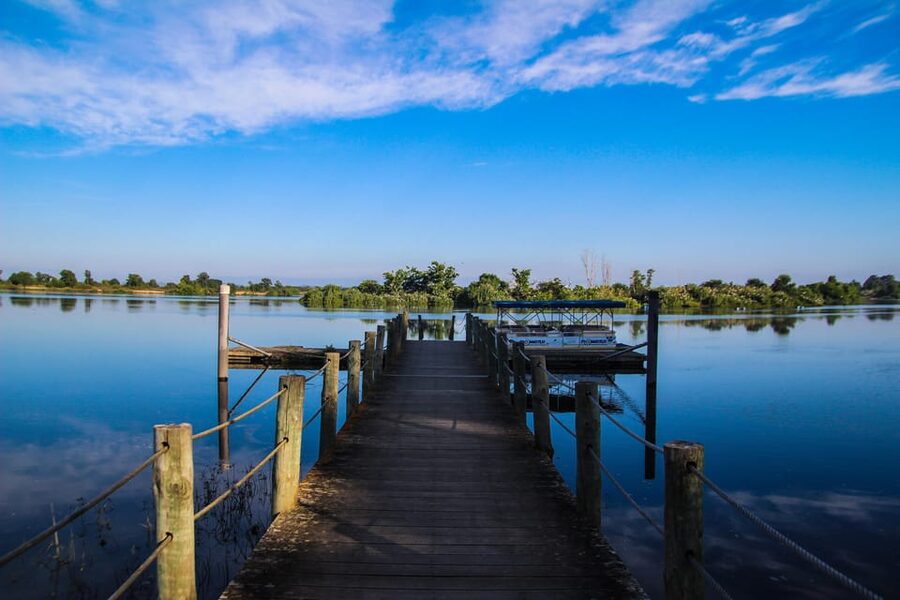
A Tagus river boat ride from Escaroupim is interesting because it mixes easygoing nature watching with real local history from the Avieiros fishing culture. I love the chance to spot herons and kites right on the water, and I like how the guide ties what you see to the daily life of people who depended on this estuary.
One thing to plan for is accessibility timing. It is wheelchair accessible, but boarding can depend on tide times, so you will want to share mobility needs ahead of time.
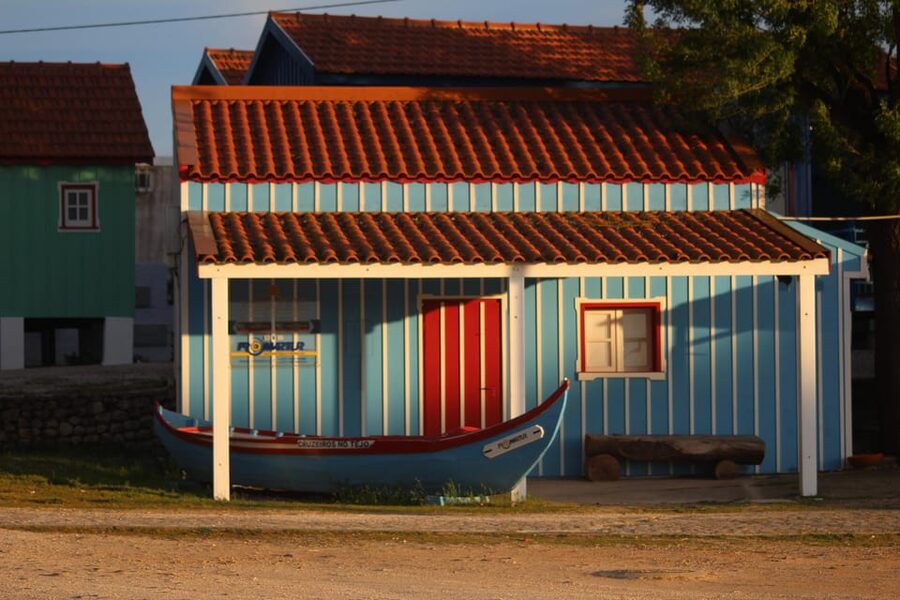
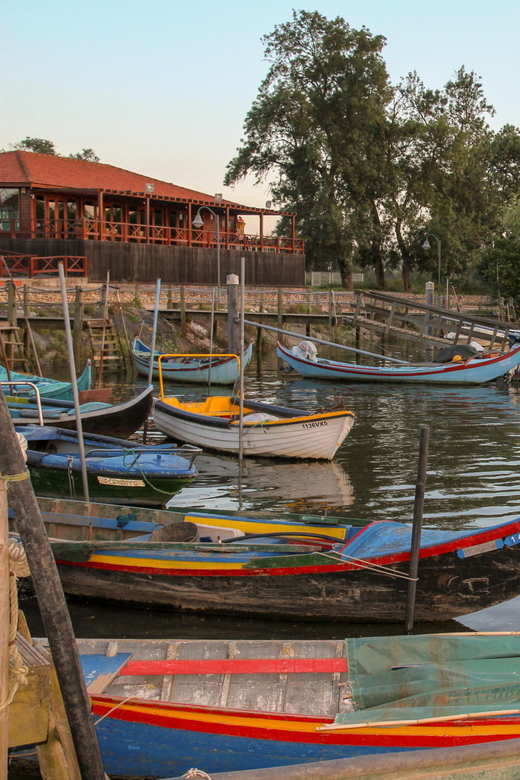
You’ll meet at Largo dos Avieiros at a blue striped house by the bateira boat, then set off on a comfortable, guided 1 hour route with explanations in Portuguese or English.
Key points I’d highlight before you go
- Guides make it make sense: you get explanations, not just sitting and looking.
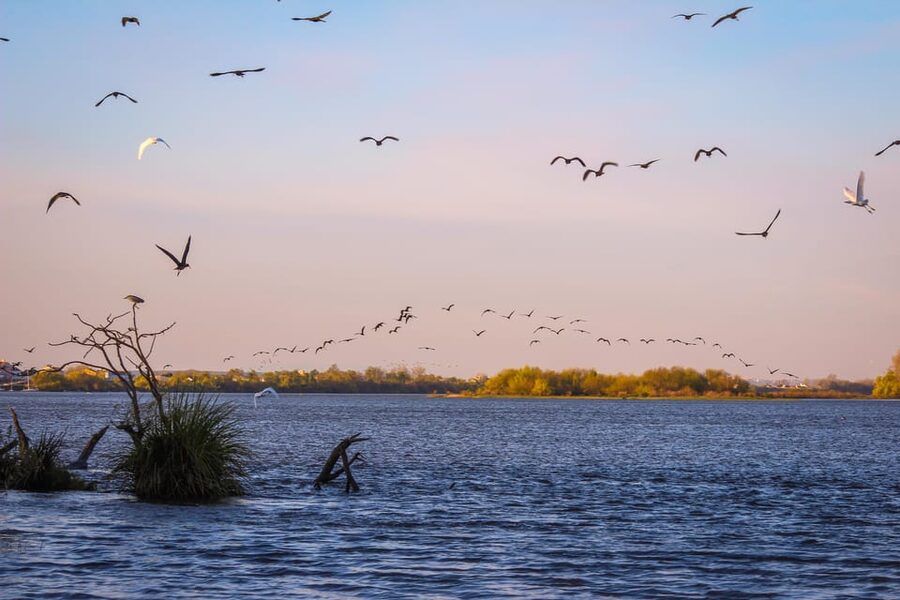
- Seasonal wildlife spotting: herons, ibises, kites, ospreys, bee-eaters, and other birds can show up depending on the time of year.
- Close to the animals: you may see free horses up close while traveling through the area.
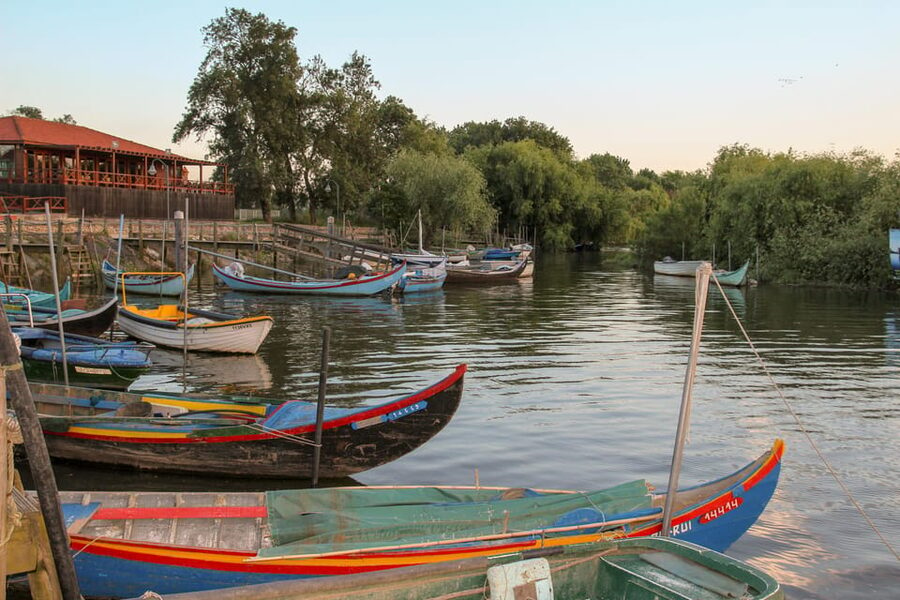
- Avieiros culture on the water: stilt houses and boat life, plus the story of the migratory currents to the Tagus.
- Scenery with action: islets and mouchões create spots where fish can jump, which changes the feel of the trip.
- Value beyond the boat: included access to the Rio Museum and Casa Típica Avieira, and Royal Falconry of Salvaterra de Magos, subject to availability.
What makes this 1-hour Escaroupim boat trip special on the Tagus
If you only have one hour, this is a smart way to use it. The Tagus here is not just scenic background. It is a working ecosystem and a lived-in landscape for the Avieiros, a community shaped by migration routes, fishing, and seasonal rhythms. The tour keeps things comfortable, but it also gives you context, so the trip feels like more than a cruise.
Two things I think you’ll appreciate fast are the mix of nature and culture, and the fact that your guide is speaking directly to what you are seeing. When birds call, you learn what to look for. When the boat passes key places, the story of the Avieiros lands in a concrete way, including stilt houses and boats used as part of daily life.
The route is short, which is a plus for pacing. You are not stuck on the water all day, and you can build the rest of your day around it. The possible downside is simple: because it is only one hour, you won’t see everything there is to see in the Tagus region. You’ll choose one focused experience, and that is it.
Meeting at Largo dos Avieiros, check-in, and how to avoid the usual stress
The meeting point is clear and fairly easy to spot. You will find the check-in at Largo dos Avieiros in a blue striped house, next to the bateira boat.
What helps most here is that the instructions are designed to get you sorted quickly. The process matters because you are boarding a small boat, and you will want to be seated and ready without rushing. If you are arriving from elsewhere in the Santarém District, build in time to find the right corner and get your bearings before the departure.
Also, if you need wheelchair support, plan extra time. Even though the activity is wheelchair accessible, boarding depends on conditions linked to tides. Sharing your needs ahead of time lets the team prepare the right access approach, especially when the tide affects where and how you can comfortably reach the boat.
Cruising time: comfort, guide talks in English and Portuguese, and the “watching mode”
This is a guided 1 hour boat trip. You are not left alone with a brochure. The guide provides explanations throughout the route, and language support includes Portuguese and English.
Comfort matters on short tours because you feel everything. You don’t want to spend your “best hour” dealing with cold, discomfort, or confusion. Based on how the activity is run, the emphasis is on clear instructions and care for participants, so you can focus on the water instead of logistics.
If you are the type who likes to ask questions, you will likely enjoy this format. Guides like Pedro and Diogo are known for being friendly, clear, and even bringing a sense of humor, while still answering questions. The goal is practical learning: what you are seeing, why it’s happening here, and how the local ecosystem and fishing culture connect.
On the water: free horses and birdlife you can actually spot
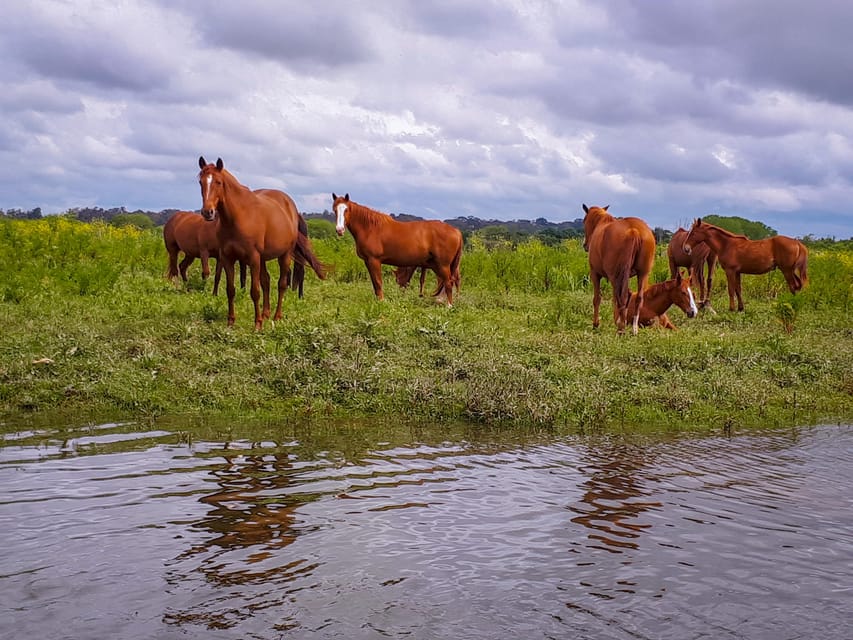
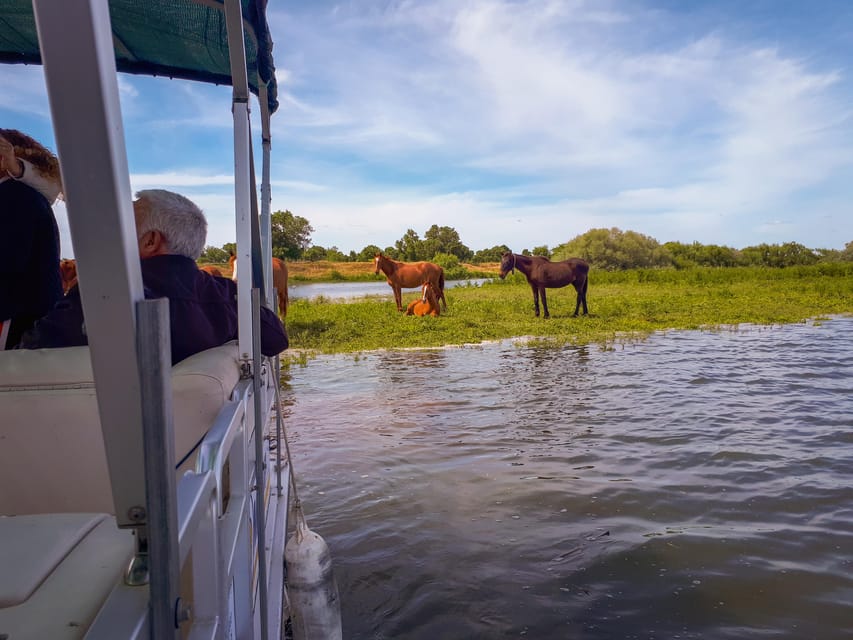
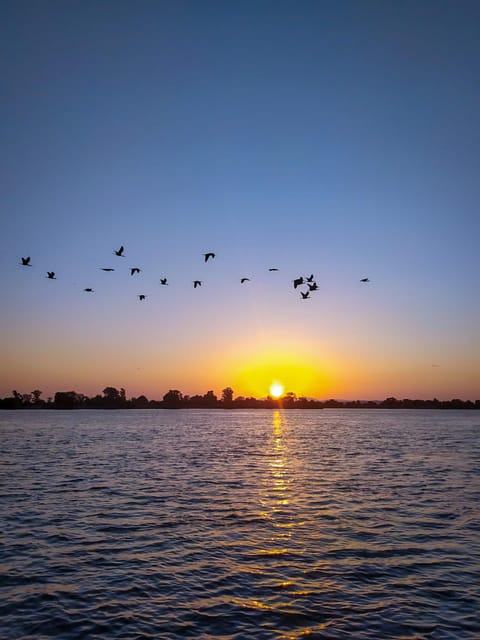
The Tagus estuary is a place where wildlife doesn’t just exist at a distance. During the route, you may be able to observe free horses up close, plus several types of birds. The exact mix depends on the season, but common examples include herons, ibises, kites, ospreys, and bee-eaters.
What I like about this approach is that it gives you a “watching plan” without making it feel like a classroom. You get prompts for what to look for, then you can use your own eyes. If you are a nature lover, the promise here is real: you should come away with a stronger sense of local fauna and flora, not just a few random sightings.
A useful way to think about birding in this region: it is less about ticking off species and more about noticing behavior. When you learn what to watch for, you start seeing patterns, like birds hunting over specific water areas. Even if some species don’t appear on your day, the guide’s explanations help the sightings you do get feel meaningful.
And if you are visiting when birds are quieter, you might still catch something interesting, like a raptor hunt. One guide-led trip can still feel like a “proper Tagus moment,” even outside peak birding periods.
Avieiros culture on the route: fishing livelihoods, stilt houses, and Palhota
One of the best parts of this trip is that it turns the river into a timeline. The Escaroupim and Avieira Culture Routes are designed to take you to the past, using what you see along the water as the framework.
Here’s what you can expect to learn as the boat moves:
- The migratory currents of the Avieiros to the Tagus, and how seasonal movement shaped fishing
- How fishing was their main livelihood
- How the Avieiros lived, including stilt houses or life on boats
- The idea that the river was not only a route, it was a workplace
Then you pass through the village of Palhota, which is tied to literature. This is where writer Alves Redol wrote the book dos Avieiros, released in 1942. That detail matters because it connects the culture to something you can hold in your mind, not just a vague “old way of life.” You are watching a living landscape shaped by the same forces that created the stories.
If you like history but dislike museum-only history, this is a good bridge. The boat gives you context in real time. You learn while moving, so it feels less like facts and more like understanding why people did what they did here.
Islets and mouchões: where the scenery gets energy and fish jumping changes the mood
Mid-route, you go past islets and mouchões. These are key features that shape how the water behaves. They also help create the kind of visuals that make you lean forward, because you might see fish jumping.
That “action” detail sounds small, but it changes how the entire hour feels. A quiet cruise becomes an active ecosystem moment. When fish jump, birds and predators often become more noticeable, and you start connecting the dots the guide is explaining.
Even without constant jumping, you still get the benefit of understanding why these parts of the river matter. The estuary is structured. Water depth, flow, and shelter affect where fish feed and where birds hunt. So the guide’s talk stops being abstract and becomes something you can test with your eyes.
Extra cultural stops you can add: Rio Museum, Casa Típica Avieira, and Royal Falconry
The one-hour boat trip is the core. But the value expands because you also get access to cultural visits, depending on availability:
- Rio Museum and Casa Típica Avieira, located in the village of Escaroupim
- Royal Falconry of Salvaterra de Magos, located in Salvaterra de Magos
Because access is subject to museum availability, don’t assume everything will be open at your exact time slot. Still, this is a strong add-on structure. It means you can pair nature and fishing culture with indoor learning and a separate cultural tradition related to falconry.
If you like variety in a single outing, this setup is appealing. After the boat ride, you can switch from “watching wildlife” to “understanding how people shaped their relationship with the river,” then finish with a visit focused on falconry.
Price and value: does $15 really hold up for this Tagus experience?
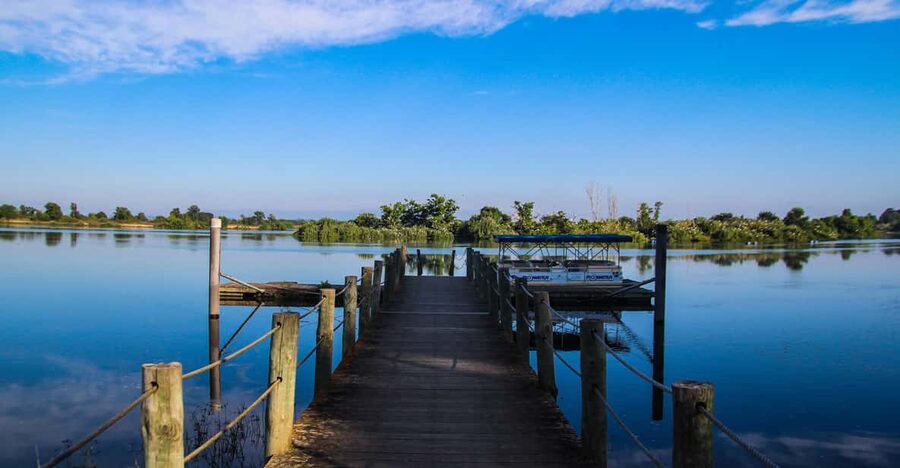
At about $15 per person for a guided 1 hour boat trip, you’re paying for time on the Tagus, a live guide in Portuguese or English, and structured storytelling. The price also makes sense because it is not only transportation. You are buying explanations, wildlife spotting help, and connections to Avieiros history you can’t easily piece together on your own.
The bigger value lever is that included access can extend beyond the boat. If the Rio Museum, Casa Típica Avieira, and Royal Falconry are available during your dates, you get more cultural content attached to the same purchase.
What is not included is also part of the value equation. Food and drink are not included. Transfers are not included either, and land transport is not part of the deal. So you should plan to handle meals separately and make sure you can get yourself to the meeting point. If you are local or staying nearby, that is easy. If you are relying on taxis or buses from farther out, factor that into your day planning.
Practical notes that matter: timing, tide access, and what to bring
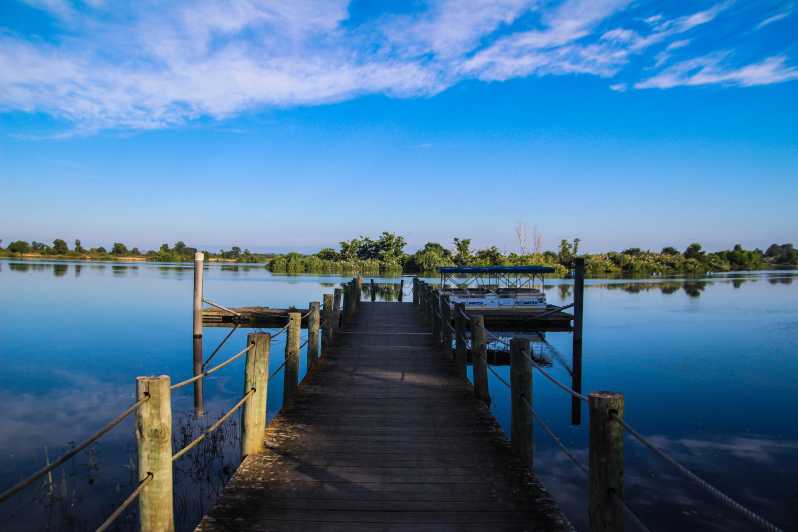
Even though the tour is only one hour, timing can matter because of tides. Wheelchair access is available, but the team needs to check tide times for easier access to the boat. The activity notes ask you to provide information so they can be prepared for reduced mobility. If you need assistance, treat that as a key step, not an afterthought.
In terms of what to bring, the essentials are simple: dress for outdoor conditions, and have something for sun or wind. Bring water if you like to stay hydrated, since food and drink are not included. If you plan to add museum visits right after, consider having comfortable shoes, since you may be walking around villages or indoor spaces.
If you want the best wildlife watching odds, your season matters. The birds listed can vary by season, so if you are flexible with dates, you may want to choose a time when bird activity is likely to be higher.
Who this tour is best for, and who might prefer something else
This is ideal for:
- Nature lovers who want guided bird spotting without doing hours of planning
- People interested in Portuguese river culture, especially Avieiros fishing life
- First-timers to this part of the Tagus who want a focused, low-stress experience
- Travelers who value accessibility support and clear guidance, especially if they communicate needs in advance
- Anyone who enjoys short tours with meaningful context, not a long day of travel
You might consider another option if:
- You want a longer time on the water for more extended wildlife watching
- You are mainly looking for a food-and-drink experience, since nothing is included
- You need transfers arranged for you, since transfers and land transport are not included
Final call: should you book the Escaroupim boat trip?
I’d book it if you want a compact Tagus experience that teaches you what you are seeing. The combination of wildlife potential, Avieiros culture storytelling, and the chance to add museum or falconry visits for no extra ticket cost (when available) makes it feel like good value.
Choose it confidently if you enjoy guided nature watching and you like local history tied to real places, like the Palhota connection to Alves Redol’s dos Avieiros. And if accessibility matters for you, message the team early about tide and boarding needs. That small bit of prep can turn a great hour into a smooth one.
FAQ
How long is the Escaroupim boat trip?
The boat trip lasts 1 hour.
Where do I meet for the tour?
You meet at Largo dos Avieiros, at a blue striped house where you will find a bateira boat for check-in.
What languages are the guides available in?
The live tour guide offers Portuguese and English.
Is the tour wheelchair accessible?
Yes, the activity is wheelchair accessible, but access to the boat depends on tide times. You should share mobility needs so the team can prepare.
What extra visits are included besides the boat trip?
Included access can cover the Rio Museum and Casa Típica Avieira in Escaroupim, and the Royal Falconry of Salvaterra de Magos, depending on museum availability.
Is food or drink included?
No. Food and drink are not included.
What is the price and cancellation option?
The price is $15 per person, and you can cancel up to 24 hours in advance for a full refund.
More Boat Trips in Salvaterra De Magos
- From Porto: Douro Valley w/ Boat Tour, Wine Tasting & Lunch
★ 4.7 · 19,061 reviews - Complete Douro Valley Wine Tour with Lunch, Wine Tastings and River Cruise
★ 5.0 · 12,920 reviews - Porto: Six Bridges Cruise
★ 4.2 · 11,680 reviews - Portimão: Benagil Caves Speed Boat Tour with Sunset Option
★ 4.8 · 11,663 reviews
Cruises & Boat Tours, compared.

Douro Valley w/ Boat Tour, Wine Tasting & Lunch
Read our review →
Complete Douro Valley Wine Tour with Lunch, Wine Tastings and River Cruise
Read our review →
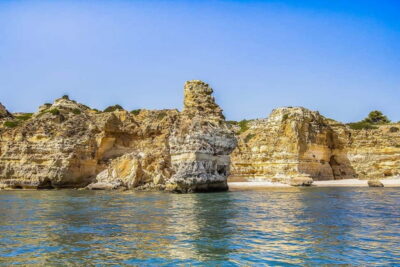
Benagil Caves Speed Boat Tour with Sunset Option
Read our review →
Sunset Boat Party Cruise with DJ and Open Bar
Read our review →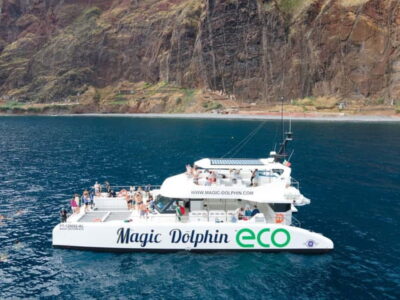
Douro Valley with Winery Lunch, Tastings & Cruise
Read our review →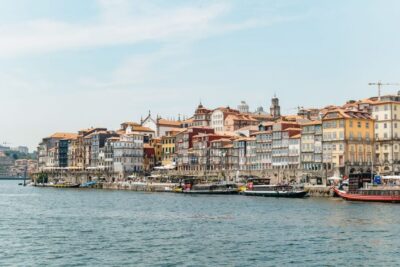
Browse the lists this tour appears in