
Reviewed · SCUBA DIVING
Albufeira: Scuba Diving Experience for Beginners
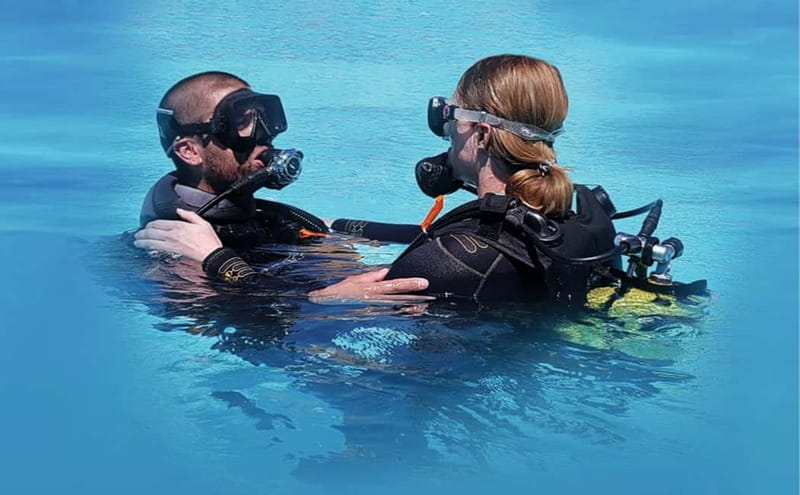
Albufeira is an ideal place to learn scuba because the coastline makes it easy to go from dry land to real seawater fast, without guessing what the gear will feel like. This half-day style beginner scuba course mixes classroom basics, pool skill work, and one guided open-water descent in the Atlantic, with a max depth of 12 meters.
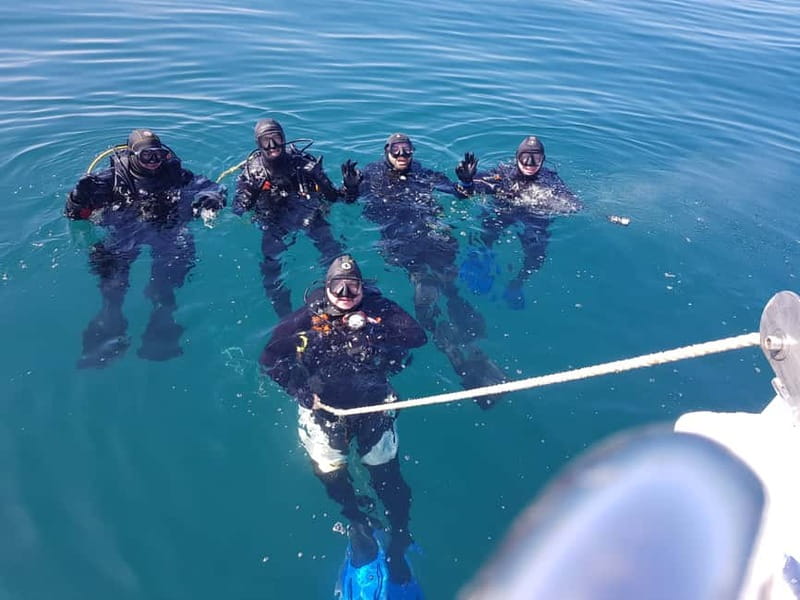
I especially like the course style: you get patient, hands-on instruction from a small team and you’re paired with an instructor during the practical parts. Instructors like Wilson, João, Fernando, and Paulo pop up again and again in the feedback, and the vibe is serious about safety but relaxed enough that nerves do not take over. I also like that the group is limited to 10, so you do not get lost in a crowd.
The main thing to consider is that scuba is a high-pressure activity and the day depends on conditions. If you have medical or respiratory concerns, are a non-swimmer, or are under the minimum age, this is not for you. And on choppy days, you might not go as deep as planned, even if the team keeps everything safe.
Key things I’d mark on your Albufeira map
- Small group size (max 10) helps you get real coaching, not just a quick briefing
- Theory plus pool practice first, so open water is not your first time breathing underwater
- Experienced multilingual instructors (Spanish, English, Portuguese) keep the explanations clear
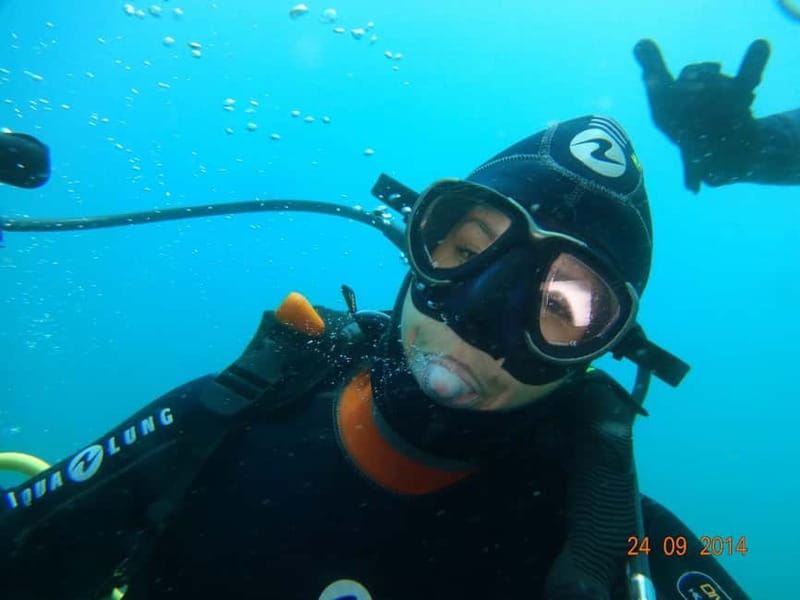
- One guided open-water descent to 12 meters in the sea, with professionals watching you
- Gear is provided and adjusted to you, which matters a lot for first-time comfort
- You receive certification paperwork that helps you continue training within 6 months, skipping the earlier steps
Why Albufeira is a smart pick for first-time scuba training
If you’re considering scuba in the Algarve, Albufeira is a practical choice. You’re in a tourist-friendly pocket with easy access to the marina, boat trips, and the kind of set-up that beginners need. The goal here is not to throw you into the deep end. The course is built to take you from basics to your first seawater experience in a controlled sequence.
The other big reason it works is the teaching style. In a lot of outdoor activities, the person teaching you is either purely technical or purely cheerful. Here, you get both. You’ll hear safety reminders clearly, but you’ll also feel like the instructors actually enjoy the sport and know how to translate it into something you can do.
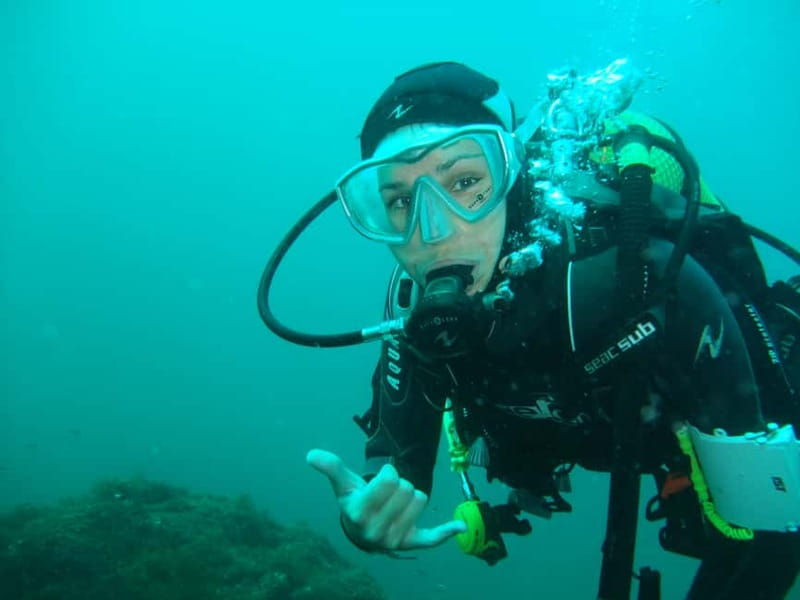
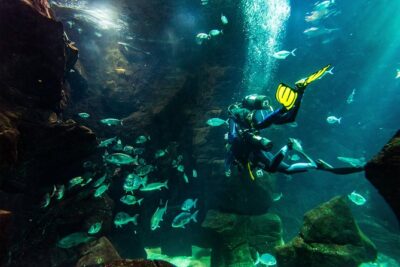
One more plus: you’re in a place where marine life is part of the payoff. Reviews consistently mention octopus sightings, plus schools of colorful fish. One person even shared that the moment with an octopus was a highlight. That kind of real-world payoff is what makes the practice feel worth it.
More Diving Trips in Algarve:
- Funchal: Scuba Diving Experience for Beginners
★ 4.9 · 715 reviews - Funchal: Scuba Diving Experience for Beginners
★ 4.9 · 494 reviews - Scuba Diving Experience in Madeira
★ 5.0 · 266 reviews
The 3.5-hour flow: from marina check-in to your first open-water descent
This is a tight, half-day experience at Easydivers out of Marina de Albufeira. Total time is about 3.5 hours, and the day is designed so you’re not spending your vacation waiting around.
Here’s the rhythm you should expect:
1) Start at Easydivers
You meet the team and get sorted for equipment. Because you’re provided with the gear, the staff can fit and adjust it before you get overwhelmed by seawater realities.
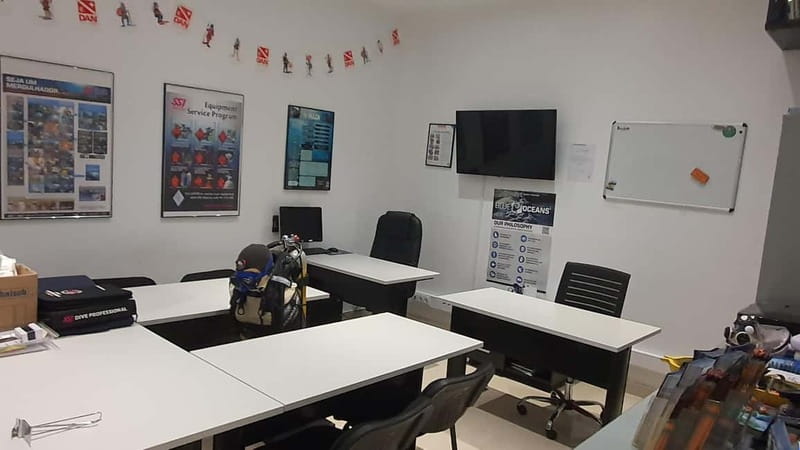
2) Theory introduction
You’ll get the basics in a theoretical session. This is where the equipment is explained, and you learn how it’s meant to work together. You also cover safety drills, and you’ll go over the key routines you need once you’re underwater.
3) Pool practice
Then you practice a range of techniques in a pool. Many first-timers are surprised by how much skill is involved in something that looks simple. Breathing underwater, mask comfort, and basic handling take time. The pool is where you build that muscle memory while support is close.
4) Boat trip to the sea
After you’ve learned the basics and practiced them once, you head out by boat for your open-water training.
5) One guided open-water descent
The sea portion is limited to one guided descent, and the maximum depth is 12 meters. Professionals stay right with you, so it stays a learning situation, not an endurance event.
A useful detail: the final open-water swim counts toward your certification progress for the 6-month window described with the certificate.
Theory that focuses on what you’ll actually do
Beginner scuba theory can be a snooze in the wrong hands. The good news is the teaching here is built around real tasks you’ll perform later. You’re not just memorizing terms. You’re learning the “why” behind the actions.
You can expect coverage of:
- Equipment basics and how the system works as a unit
- Safety drills, taught before you ever go into seawater
- Practical guidance so you can understand what to do when something feels off
- A chance to ask questions, which matters when you’re trying to stay calm
In the feedback, instructors such as Fernando are mentioned for explaining theory clearly and patiently, including answering lots of questions without rushing you. That matters because if theory is confusing, pool practice can feel harder than it needs to be.
There’s also a big beginner anxiety point that you’ll want to think about: ears. At least one person reported struggling with their ears at the start, and the instructor helped them work through it. That sort of targeted coaching is exactly what you want from a beginner course.
Pool practice: where you learn breathing underwater without panicking
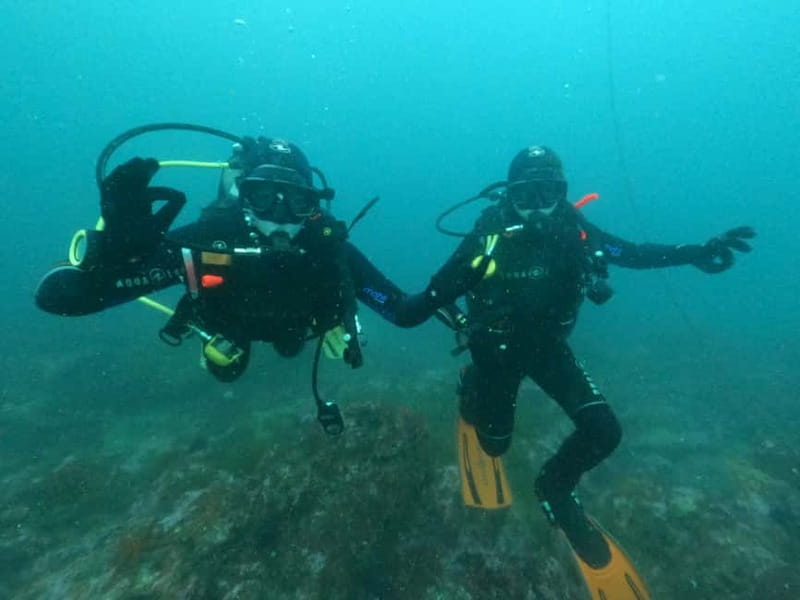
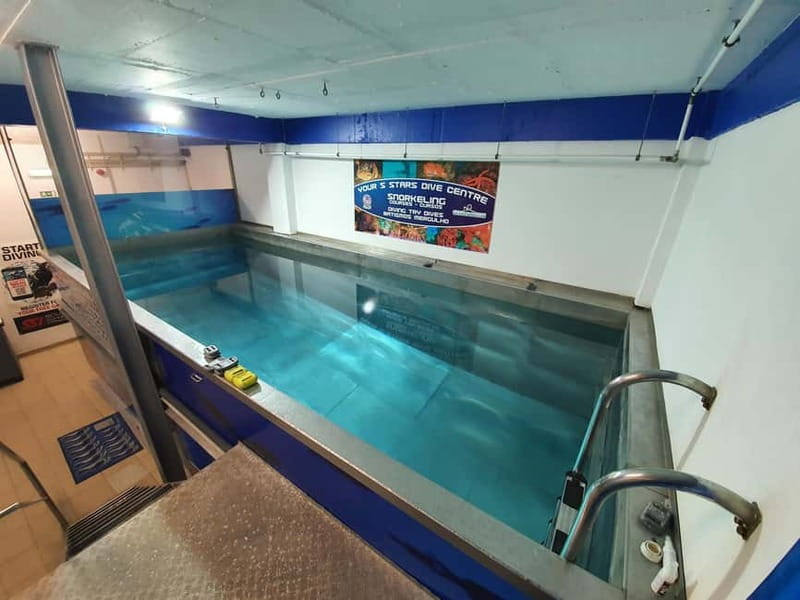
Your pool session is the heart of “first time friendly” here. It is also where you’ll learn how to manage the moment when your body realizes you are breathing in a way it has never done before.
The pool practice typically includes:
- Getting comfortable with breathing underwater
- Practicing key techniques that you’ll also use in open water
- Rehearsing safety-related movements and controlled responses
The pool is not just warm water comfort. People mention that the first minutes can feel surprisingly difficult, even for confident swimmers. In one case, someone had a short panic moment, and João took time to help them calm down and feel safe. That same “slow down and reassure” theme shows up in multiple experiences.
A couple more practical takeaways from real beginners:
- Mask clearing is a learned skill, not a personality trait. If water gets into your mask, you’re taught what to do.
- If you feel anxious, your instructor is expected to work with that. Several people explicitly praised the patience and reassurance during the pool portion.
More time on the Algarve:
- Portimão: Benagil Caves Speed Boat Tour with Sunset Option
★ 4.8 · 11,663 reviews - Albufeira: 2.5-Hour Benagil Caves & Dolphin Watching
★ 4.6 · 10,710 reviews - Portimão: Benagil Sea Caves Speedboat Adventure Tour
★ 4.8 · 6,546 reviews - Albufeira: Benagil Caves & Dolphin Watching Speed Boat Tour
★ 4.6 · 6,316 reviews
On the water: the boat trip bonus and what to watch for
The sea part includes a boat trip, which feels like a bonus because it turns the training into a mini outing. You also get a clear transition from training mode to “real environment” mode.
Still, the sea is the sea. One experience notes that the water was choppy that day and limited how deep they could go. That’s a good reminder: your max depth of 12 meters is a guideline for what the course plans. If conditions make it unsafe or uncomfortable, instructors may adjust the plan.
What you can do to help:
- Tell your instructor immediately if you feel unwell or panicky.
- Follow your buddy and instructor cues about breathing and positioning.
- Focus on calm, slow control. This is a skill course, not a performance test.
In terms of what happens underwater, people talk about feeling like they’ve entered another world. That calm, quiet sensation is common once you settle into the rhythm.
What you might see in the Algarve waters
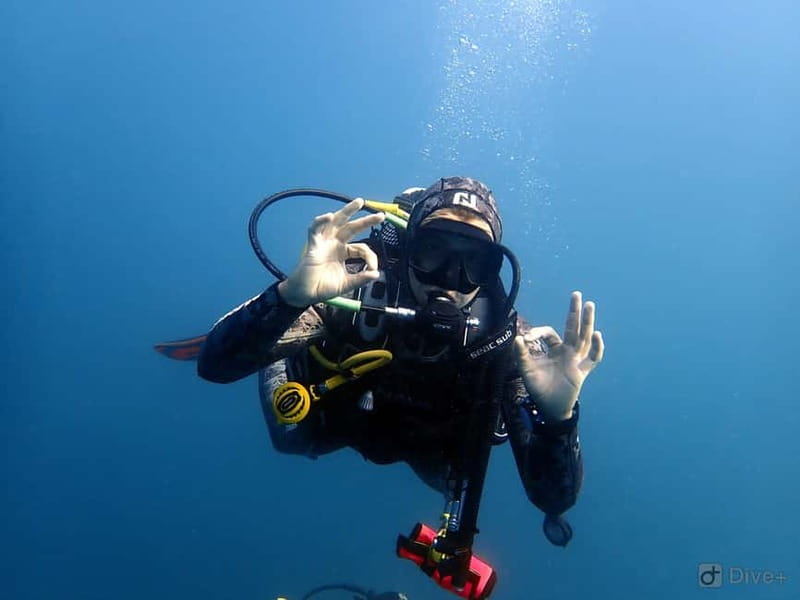
One of the best parts of this course is that the learning environment is still underwater nature time. You’re not only practicing skills in a blank sensory void.
Commonly mentioned sightings include:
- Octopus (even a memorable moment where someone got to see and interact in a meaningful way)
- Fish schools and lots of movement around the reef
- Specific creatures like conga eels were mentioned in at least one account
You should still keep expectations realistic. You’re there to learn, and the instructors will keep you focused. But you’ll almost certainly get enough marine life to make the experience feel special, not clinical.
Also, if the ocean feels new to you, the best way to enjoy it is not to rush for photos. Listen, breathe, and keep your attention on the instructor’s guidance. The views become part of the process, not a distraction from it.
Certification you can use within 6 months
This is one place where the value can surprise you. The course is not just about one fun underwater moment. You also get certification paperwork designed to help you keep going.
Here’s how the certificate is described:
- You receive a certificate that allows you to continue within 6 months
- The idea is that you can skip theory and pool sessions when you continue your training
- Your final open-water swim counts as the counted open-water component toward that 6-month valid certificate process
If you think there’s a decent chance you’ll want to scuba again, this structure makes sense. You’re not paying for one day of curiosity and then restarting from zero later.
If you’re unsure, at least consider this: a guided beginner program with professional supervision often costs less than the time and hassle of trying to piece together your own first experiences elsewhere.
Price and value: does $162 make sense?
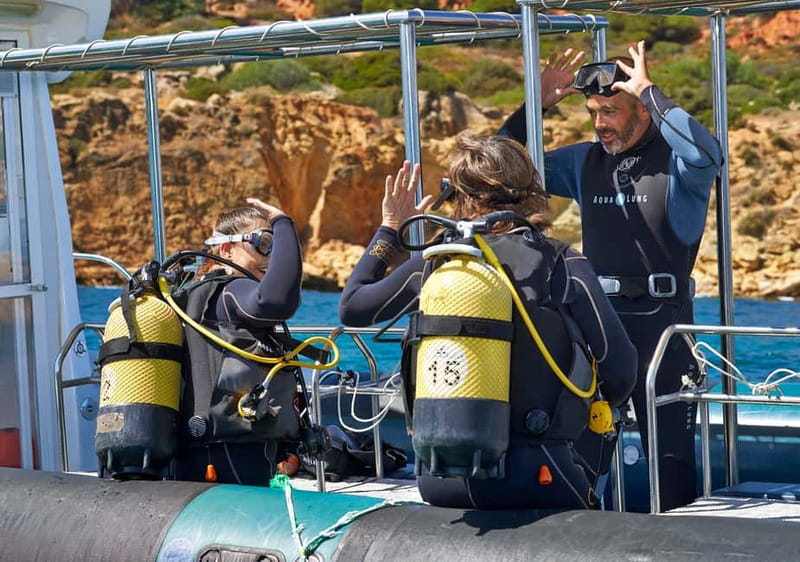
At $162 per person for about 3.5 hours, you are paying for more than “gear and a boat.” You’re paying for structured teaching, safety drills, instructor time across theory and pool practice, equipment provided, insurance, and the certification paperwork.
What makes it good value in practice is the coaching level. A small group capped at 10 and multiple instructors working with you means you’re not stuck waiting for someone to notice you need help. That reduces the risk of a bad first attempt, which is often the real cost in adventure activities.
There’s also the comfort factor. Several people explicitly praised that the gear fit well and everything was organized. When equipment fits correctly, you spend less energy fighting discomfort and more energy learning skills.
The only “value risk” is conditions. If the sea is rough, instructors may adjust how deep or how extended the sea portion is. You still get the training and the learning benefit, but you might not hit your personal ideal depth.
Who this course suits best, and who should skip it
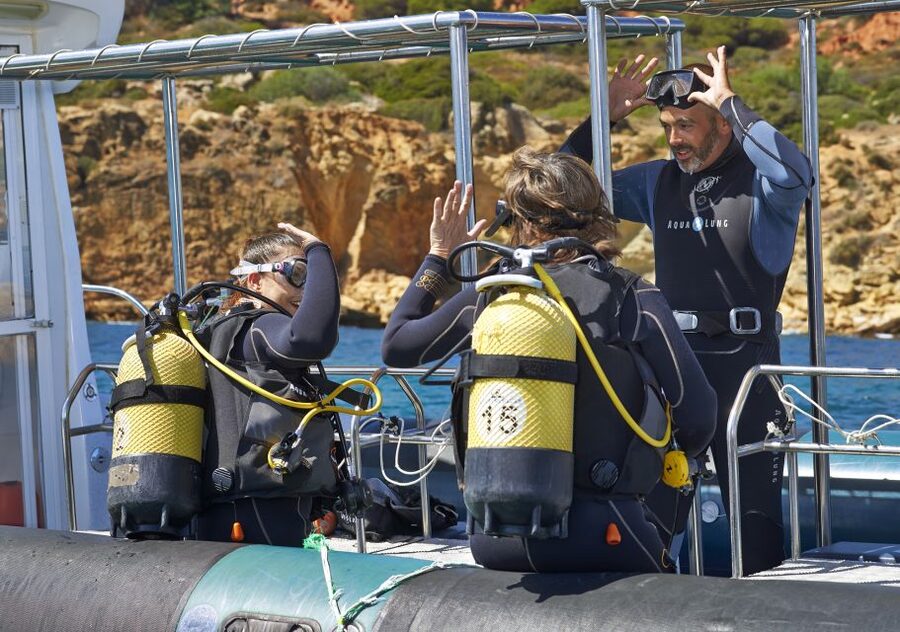
This is a beginner-friendly course, but it’s not universal. Scuba is a high-pressure activity, and the provider sets clear limits.
Not suitable for:
- Children under 10 years old
- Pregnant women
- People with heart problems
- People with respiratory issues
- People with recent surgeries
- People with pre-existing medical conditions
- Non-swimmers
If any of those apply to you, you should not force it. The risk is not worth it, even if you’re excited.
Who it fits:
- You’re curious and want a guided start
- You’re okay following instructions and practicing in a pool first
- You want professional supervision and clear safety coaching
- You’d like a certificate that can help you continue within 6 months
If you’re a bit anxious, don’t assume you’re excluded. Many first-timers are nervous. The key is that the instructors are described as patient, reassuring, and calm when panic shows up.
Small group size, instructor languages, and comfort level
You’ll be working with a small team and a limited group size, which changes the whole vibe of a first course. Instead of being one face in a long line, you get attention.
Languages include Spanish, English, and Portuguese, which is helpful if you’re not fluent in the local language.
Names that come up with especially positive feedback include:
- João for practical coaching and calming support in the pool and during the first open-water experience
- Fernando for theory instruction and clear explanations
- Paulo for hands-on support during the learning process
- Wilson, Lewis, Matias, Roberto, and Margherita for friendly, professional guidance
- Scoty (or Scoty/Scotch as referenced) is mentioned for reassurance that helped someone go from nervous to comfortable
That pattern matters. It suggests consistent teaching methods, not a one-off lucky guide.
And yes, humor shows up. More than one person described instructors using humor to make the learning easier while staying serious when safety matters. For many beginners, that’s the difference between freezing and focusing.
Practical packing list and day-of tips for beginners
You only need a couple items:
- Swimwear
- Towel
Still, I’d encourage you to bring the “comfort basics” that make first-time training easier. Keep your day simple:
- Arrive with a calm mindset. This is not a rush activity.
- Expect to feel awkward at first in the pool. That is normal.
- If you struggle with mask comfort or breathing rhythm, ask for feedback right away.
- Focus on slow control. It beats trying to power through.
Also, plan to be physically ready. If you get winded easily on land, tell the team early. The course is designed for beginners, but it still requires you to be able to handle breathing and movement in water.
Should you book this beginner scuba course in Albufeira?
Book it if you want:
- A structured beginner path (theory first, pool practice second, sea portion with professionals)
- A small group setting capped at 10
- A certificate pathway that supports continuing within 6 months
- Real chances to see marine life like fish and octopus, not just equipment demos
Skip it if:
- You have any of the listed medical or respiratory concerns
- You are a non-swimmer
- You are under the minimum age
- You need a guarantee of hitting the deepest part of the plan, because sea conditions can affect what’s possible
For most first-timers, this course is a strong value because it tackles the big beginner problems directly: fear management, correct equipment use, and practiced safety skills before you’re out in the open water. If you want your first scuba experience to feel safe, teachable, and genuinely fun, this is the kind of half-day plan that makes sense.
FAQ
How long is the beginner scuba experience in Albufeira?
The total duration is about 3.5 hours.
What is the maximum depth for the sea portion?
The maximum depth in the sea is 12 meters.
What is included in the price?
It includes dive theory, a pool dive, one sea dive, equipment, a boat trip, insurance, and certification.
Where is the meeting point?
The meeting point is Marina de Albufeira, Passeio dos Oceanos, Lote 4 Loja 5, 8200-371 Albufeira, Portugal.
What should I bring?
You should bring swimwear and a towel.
What are the age and medical requirements?
The minimum age is 10 years old. It is not suitable for pregnant women, non-swimmers, and people with heart problems, respiratory issues, recent surgeries, or other pre-existing medical conditions.
What languages are the instructors?
The instructors speak Spanish, English, and Portuguese.
Latest reviews from Algarve
- Sagres: Coasteering – Swimming, Cliff Jump & Rock Climbing★ 4.9 · 226 reviews
- Vilamoura: Family Golf Park Game★ 4.6 · 253 reviews
- From Lagos: Ponta da Piedade Sunset Cruise with Drink★ 4.7 · 266 reviews
- Vilamoura: Benagil Cave Boat Tour★ 4.7 · 266 reviews
- Ponta da Piedade: Half-Day Cruise with Lunch from Lagos★ 4.8 · 276 reviews
- Lagos: 3-Hour Algarve Classic Food Tour★ 4.8 · 284 reviews
- Portimão: Benagil Caves & Golden Coast Eco Catamaran Tour★ 4.9 · 300 reviews
- From Faro: Ria Formosa Sunset Boat Trip★ 4.8 · 326 reviews
Scuba Diving, compared.
Browse the lists this tour appears in