
Reviewed · CRUISES & BOAT TOURS
From Faro: 2-Hour Guided Bird Watching Boat Trip
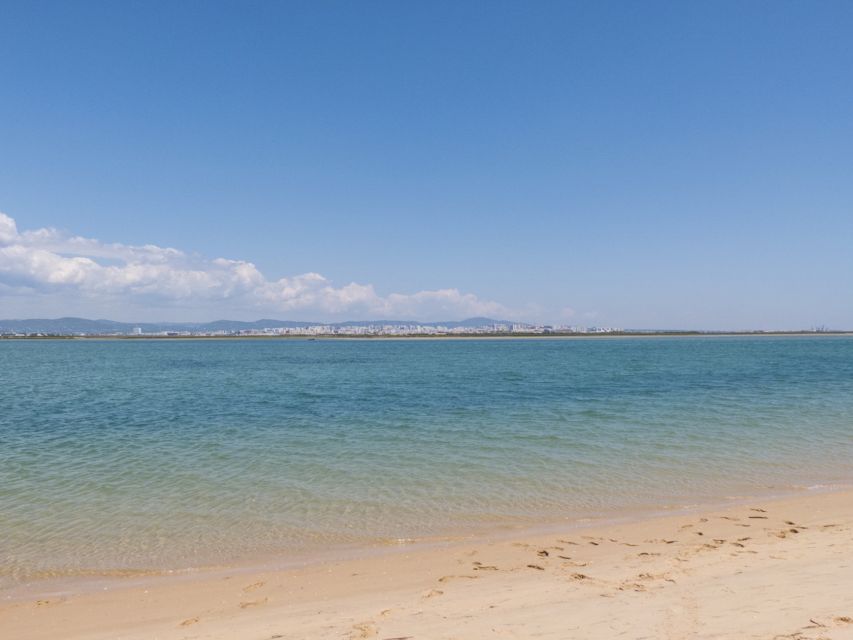
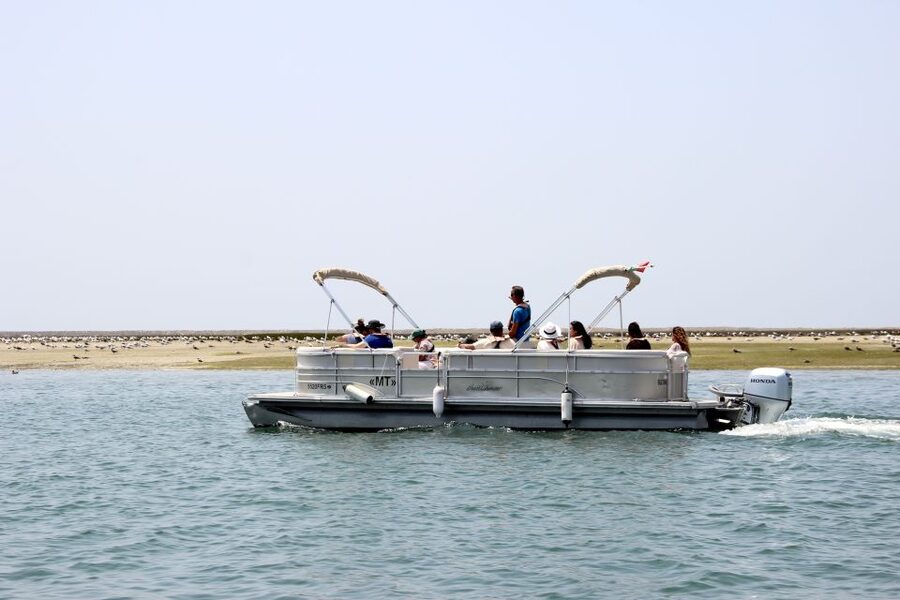
What makes this outing interesting is that you’re not just looking at birds from the shore, you’re cruising the Ria Formosa channels with a guide actively pointing out what matters. This is one of Portugal’s standout natural wetland areas, and it shows in the sheer variety of birds you can spot depending on the season.
I love how the trip uses live onboard commentary to connect the birds you see with the habitat you’re passing. I also like that you get practical tools included, binoculars and a calm pace, so you can actually study what you spot instead of guessing from a distance.
One thing to keep in mind is that the exact route and sightings can shift with weather, tides, and security rules, and the species you’ll see may vary by season. If you’re planning only one activity that day, build in a little flexibility.
Key highlights and what to watch for
- Ria Formosa Natural Park boat cruise with wildlife viewing and scenic channels back toward Faro
- Binoculars and live guide commentary so you can identify birds on the spot
- Wading birds in winter, when species are most abundant in the wetlands
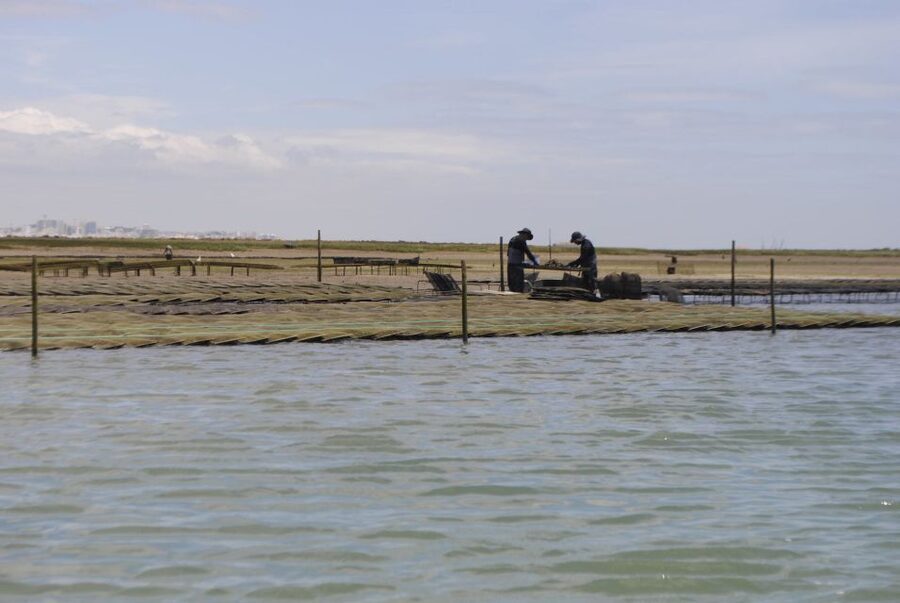
- Oyster and clam farms along the way, with birds that feed around aquaculture areas
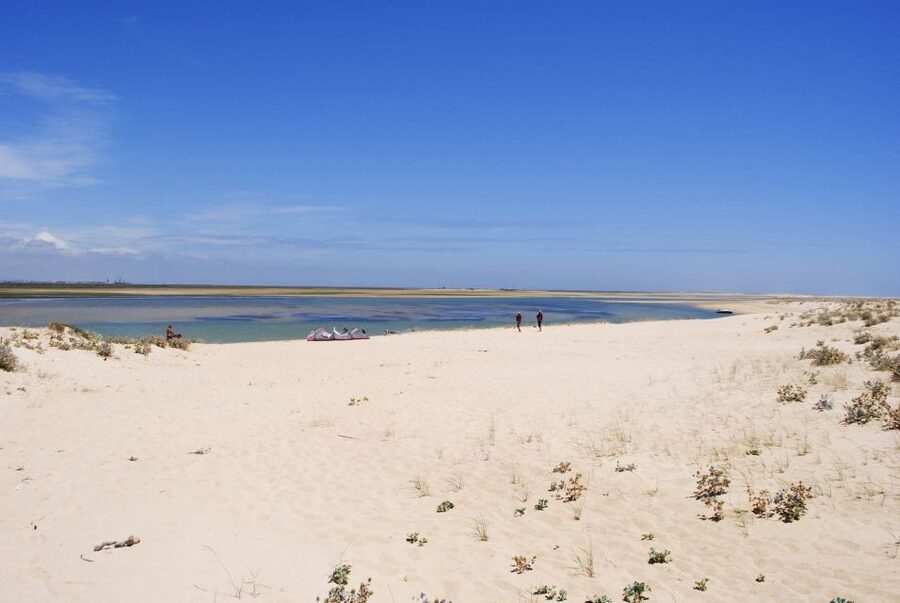
- A 15 to 20-minute stop on a deserted beach, timed for a quick break and better views
- Seasonal stars like greater flamingo and sandwich tern in winter months
Birdwatching the Ria Formosa wetlands from Faro (and why the boat helps)
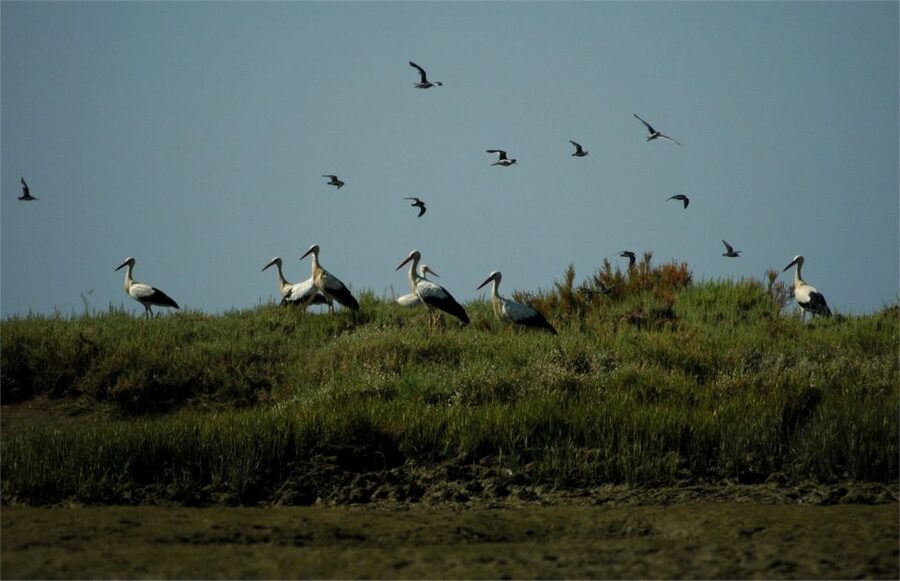
This is the kind of bird trip that makes sense for beginners and still feels worth it if you already know a few species. You’re in a protected wetland system where birds don’t just fly through, they feed, rest, and mix around mudflats, shallow water, and managed areas like oyster and clam farms. From the boat, you get a moving vantage point, so you can track birds as they shift along the channels.
The Ria Formosa is also a place where timing matters. The tour description calls out that waders are most abundant during winter, but the good news is that you’re not limited to just one season of sightings. Even outside the peak, the wetlands remain productive and you can still see a steady stream of species like white stork, little egret, and spoonbill.
I like that the guide approach is practical. You’re not handed a long slideshow, you’re seeing the birds and getting context right away. The onboard commentary is live, and it’s designed to help you connect what you’re watching with where you are in the natural park.
More Boat Trips in the Algarve
- Portimão: Benagil Caves Speed Boat Tour with Sunset Option
★ 4.8 · 11,663 reviews - Albufeira: Benagil Caves & Dolphin Watching Speed Boat Tour
★ 4.6 · 6,316 reviews - Albufeira: Dolphin Watching and Benagil Cave Boat Cruise
★ 4.8 · 4,226 reviews
Getting set up at Formosamar, what the 2 hours actually include
Your experience starts at Formosamar – Boat Tours Passeios na Ria Formosa. The meeting point is at the shop area called Boat Tours Store, located on the ground floor of the Ginásio Clube Naval de Faro (the Nautical Club of Faro). Plan to check in about 10 minutes before departure, since they want you accounted for before heading out.
Once you’re onboard, you’ll get a safety briefing, and the boat trip runs for 2 hours total. You also have binoculars included, plus life vests. That matters more than it sounds. If you’ve ever tried birdwatching from a dock, you know how quickly you lose track of tiny details. Binoculars let you actually confirm shapes and behaviors, not just make a guess.
You’ll also get live commentary in Spanish, English, French, or Portuguese, depending on the session. The tour is wheelchair accessible, which is a real plus for groups planning around mobility needs.
What you should expect rhythm-wise: cruise, listen, scan, pause, then move again through the channels. The boat sails calmly, so you can take your time looking rather than fighting wind or constant motion.
The first stretch through Parque Natural da Ria Formosa: storks, egrets, and spoonbills
The tour focuses on the wetlands side of the Ria Formosa natural park. This is where the species list starts to feel believable, because the habitats mentioned are the exact places birds use for feeding and resting.
You may see:
- White stork
- Little egret
- Spoonbill
Even if you do not spot all three, you should still find the wetlands active. The tour description highlights waders and mentions that these birds are especially abundant in winter. That’s not just a seasonal note. It’s a practical one, since waders rely heavily on shallow water and mudflats where prey is available.
It also helps that the guide is actively spotting. In real birdwatching, your biggest problem is often not the bird, it’s you not seeing it fast enough. The tour is built around that, with live narration and opportunities to watch while passing through the park channels.
And yes, you’re not limited to the “big obvious” birds. The description points to species that show up often throughout the year, including whimbrel, turnstone, and grey plover. These are the kind of birds that can look similar at first glance, so guide identification makes your sighting feel like more than luck.
Waders and seasonal timing: what winter brings (and what stays consistent)
If you can travel in winter, you get the strongest odds for waders. The tour specifically states that waders are most abundant during winter, which is exactly when wetlands like this become a high-traffic dining room for shorebirds.
That winter bird value shows up in the named species. The tour lists birds such as whimbrel, turnstone, and grey plover as consistent presences, then adds other winter highlights like sandwich tern and greater flamingo.
Here’s how to translate that into your expectations:
- If you’re going in winter, plan to see more birds overall, especially birds you might call “shore-waders.”
- If you’re going in spring, summer, or autumn, you’ll still likely see birds, but focus on behaviors and habitats more than ticking off every species name.
Also note the honest reality of birdwatching: the species listed can change based on the period of the year. That is not a bait-and-switch. It’s how nature works, and the guide’s job is to point out what’s actually present during your day.
More Boat Trips in Algarve:
- Albufeira: Coastline and Benagil Caves Tour by Catamaran
★ 4.7 · 4,077 reviews - From Lagos: Boat Cruise to Ponta da Piedade
★ 4.9 · 3,346 reviews - Portimão: Benagil Cave and Praia de Marinha Boat Tour
★ 4.8 · 2,904 reviews - Portimão: Pirate Ship Cave Cruise
★ 4.7 · 2,813 reviews
Oyster and clam farms: where feeding birds meet human work
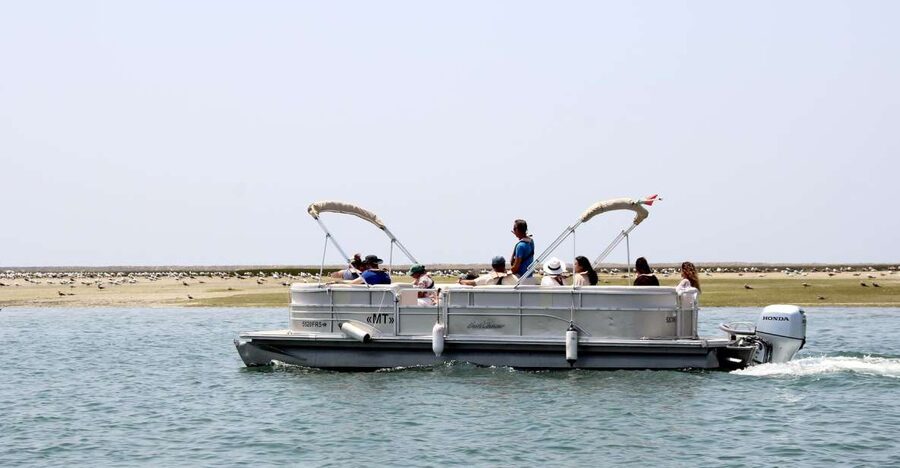
After the early wetland viewing, the trip continues toward the islands within the natural park area through oyster and clams farms. This is a big part of why the birdlife is so consistent here. Managed feeding areas attract birds that hunt along shorelines and shallow zones, and birds quickly learn where food is likely to be.
The tour calls out birds connected to these environments, including:
- black-tailed godwit
- oystercatcher
This is the section where you’ll often see the difference between simply seeing a bird and understanding why it’s there. If you can catch a bird feeding or moving along the farm edges, you’ll start to realize that the guide commentary is giving you an ecosystem map, not just a list of names.
One practical note: because the boat route follows a working coastline feature (farms), your best strategy is to stay ready to scan. Birds can pop into view fast near shallow water edges, then move again with the tide and feeding rhythm.
The short deserted beach stop: a 15 to 20 minute breather with better perspective
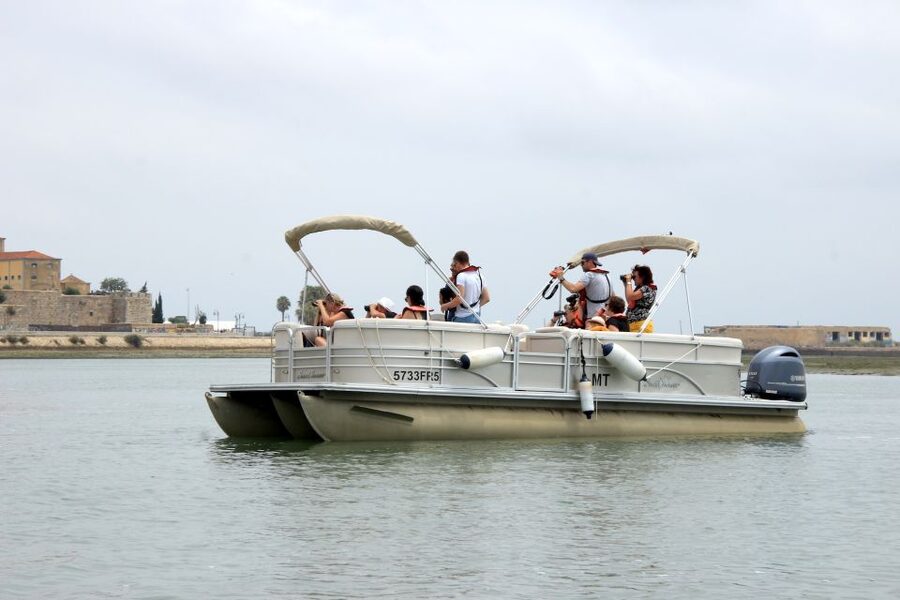
About halfway through your cruise plan, you’ll make a stop at a deserted beach for 15 to 20 minutes. This isn’t a long hike or a big sightseeing stop. It’s a short pause that helps you reset and gives you a fresh angle on the water and sand margins.
In my opinion, these short beach breaks work well on bird trips. They give you a moment to stand still, look back over the water, and re-check what you saw earlier from the boat. You also get a break from scanning and listening constantly.
Then the tour continues toward where the lagoon meets the sea. The description frames this as a small paradise moment, and the intention is to give you calm time plus another chance at bird sightings as the boat sails through the park channels.
Since it’s a quick stop, you’ll want to have your essentials ready. If you’re bringing your own camera or phone, check settings before you step off. When you’re on a bird timer, you don’t want to waste a view fiddling with menus.
Back toward Faro: watching the channels and collecting a day of sightings
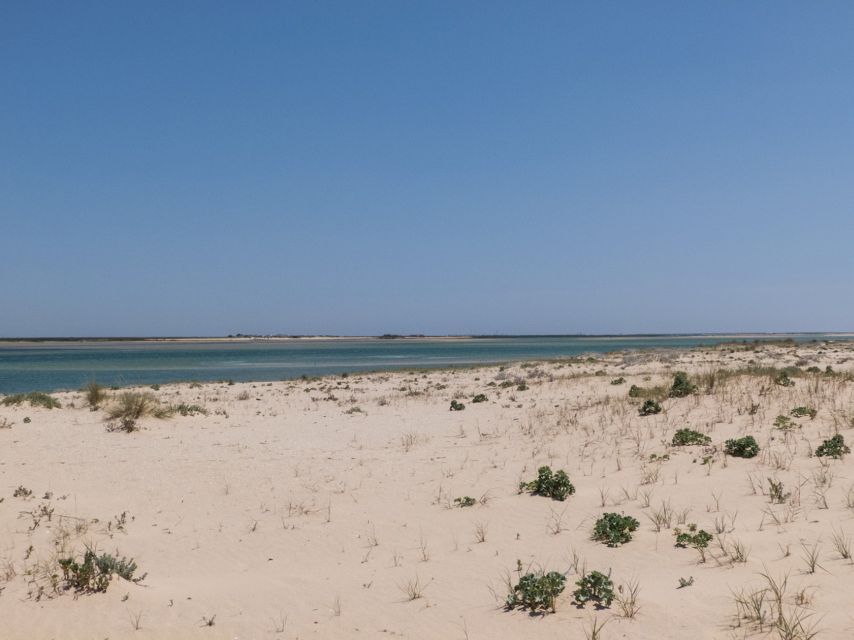
On the return direction, the boat sails calmly through the channels of the natural park toward Faro. This is where the tour often feels most satisfying, because you’ve already learned what to look for, and now you can apply that to what’s in front of you.
The guide’s live commentary continues, giving you another round of identification help as different species appear. The format is simple but effective: pass through a channel, spot birds, listen for what they are and why they’re there, then move on.
If you’re trying to get the best value from the ride, I’d treat the return leg as your second chance. Birds move and tides shift, so even if you think you missed a species earlier, you may spot it later when conditions line up again.
Also, the calm sailing matters if you want to enjoy the experience, not just survive it. A smooth boat ride gives you time to focus. That means you can spend more energy on observation and less on holding yourself steady.
Price and value: is $47 for 2 hours worth it?
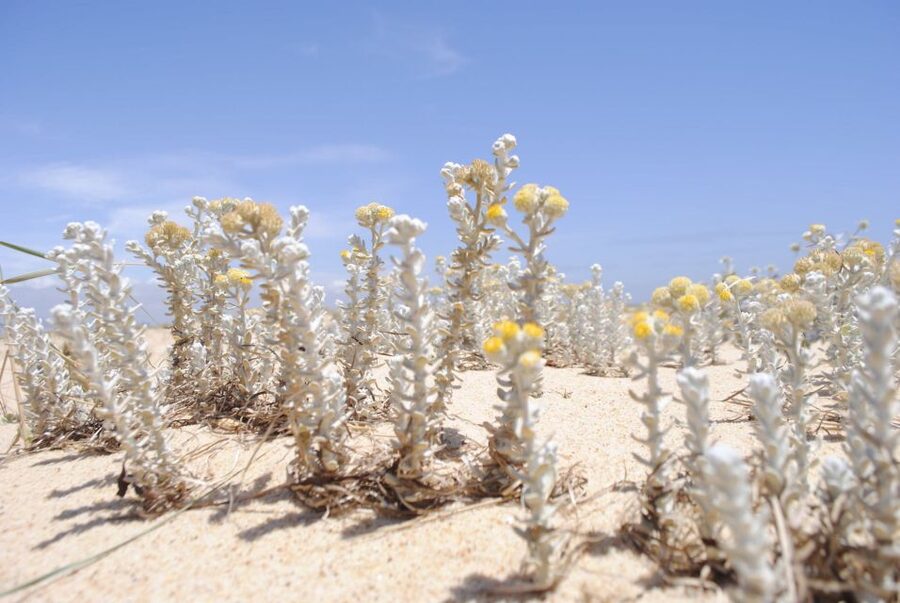
At $47 per person for a 2-hour guided cruise, the value depends on your style of travel. If you’re the type who enjoys nature when it’s explained clearly, you’ll likely feel the value fast. You get:
- a 2-hour boat trip
- live guide commentary
- binoculars
- life vests
- a short beach stop
The big value play is identification support. Birdwatching can be frustrating when you only see shapes, not species. Having a guide name what you’re looking at transforms the experience from random spotting into a mini lesson you can actually remember.
The other value factor is location. You’re starting in Faro and getting direct access to the natural park areas by boat. For most people, that’s hard to replicate on your own in a short time.
My only caution on value is the possibility of schedule changes. The tour notes that departure and arrival schedules, duration, and itineraries can change due to weather, tides, or security. That doesn’t mean it’s chaotic. It does mean you should be ready for a slightly different exact experience than the ideal plan.
What to wear and bring so you can focus on birds
You’ll be happier if you dress for the water and the weather, not the forecast you saw on your phone that morning. The local partner recommends comfortable clothing and footwear, plus:
- a hat and sunscreen in spring and summer
- waterproof clothing for autumn and winter
- water
That advice matters because you’re likely to be outside scanning and listening. If you’re cold or uncomfortable, birdwatching becomes a chore. If you’re dry and protected from sun, you can stay focused on tiny movements and quick sightings.
Also think about your gear habits. Binoculars are included, so you do not have to bring your own. If you have a camera, keep it accessible so you can react when the guide points something out.
Who this tour fits best (and who might want to plan differently)

This trip fits best if you want a structured nature experience without needing expert knowledge. You don’t need to know bird names ahead of time. The guide provides live identification help, and you get the practical support of binoculars.
It also suits people who like ecotourism that doesn’t feel like a theme park. You’re in a real working wetland zone with protected areas, oyster and clam farms, and natural channels. It’s not just scenery, it’s a working habitat system.
If you want long stretches of walking or a deeper land-based hike, this is not that. It’s a boat cruise with a quick beach stop. Your time is best used on staying engaged with what you see on the water.
And here’s a realistic consideration: if conditions force adjustments, the experience could be less time for some spotting. The tour notes that schedules and duration can change due to tides and weather. If you have a tight itinerary, it helps to avoid stacking multiple nature tours in the same window.
Should you book this Faro birdwatching boat trip?
Yes, if you want a high-odds bird outing with binoculars, a guide giving live ID help, and a short stop at the beach without a big time commitment. It’s also a strong choice if you’re new to birdwatching and want your eyes trained quickly.
Consider booking with a little flexibility if you’re traveling in a season where weather or tides could be tricky. Nature here runs on real-time conditions, and the tour is built to respond.
If you’re after a calm, practical introduction to the Ria Formosa’s birds from Faro, this 2-hour format is a smart use of time.
FAQ
How long is the guided bird watching boat trip from Faro?
The tour duration is 2 hours.
Where do I meet for the boat tour?
You meet at the office of the local partner at the shop called Boat Tours Store, on the ground floor of the Ginásio Clube Naval de Faro (Nautical Club of Faro).
Is there a beach stop during the trip?
Yes. The tour includes a stop of 15 to 20 minutes at a deserted beach.
What is included in the price?
The tour includes the 2-hour boat trip, a local guide, live onboard commentary, use of binoculars, and life vests.
What birds might I see in the Ria Formosa?
The tour description mentions birds like white stork, little egret, spoonbill, whimbrel, turnstone, grey plover, black-tailed godwit, oystercatcher, and in winter sandwich tern and greater flamingo. The exact species can change by season.
Is the tour wheelchair accessible?
Yes, this tour is wheelchair accessible.
What languages are available for the guide?
The guide provides live commentary in Spanish, English, French, and Portuguese.
Latest reviews from Algarve
- Sagres: Coasteering – Swimming, Cliff Jump & Rock Climbing★ 4.9 · 226 reviews
- Vilamoura: Family Golf Park Game★ 4.6 · 253 reviews
- From Lagos: Ponta da Piedade Sunset Cruise with Drink★ 4.7 · 266 reviews
- Vilamoura: Benagil Cave Boat Tour★ 4.7 · 266 reviews
- Ponta da Piedade: Half-Day Cruise with Lunch from Lagos★ 4.8 · 276 reviews
- Lagos: 3-Hour Algarve Classic Food Tour★ 4.8 · 284 reviews
- Portimão: Benagil Caves & Golden Coast Eco Catamaran Tour★ 4.9 · 300 reviews
- From Faro: Ria Formosa Sunset Boat Trip★ 4.8 · 326 reviews
Cruises & Boat Tours, compared.

Douro Valley w/ Boat Tour, Wine Tasting & Lunch
Read our review →
Complete Douro Valley Wine Tour with Lunch, Wine Tastings and River Cruise
Read our review →
Benagil Caves Speed Boat Tour with Sunset Option
Read our review →
Sunset Boat Party Cruise with DJ and Open Bar
Read our review →

Douro Valley with Winery Lunch, Tastings & Cruise
Read our review →
Browse the lists this tour appears in