
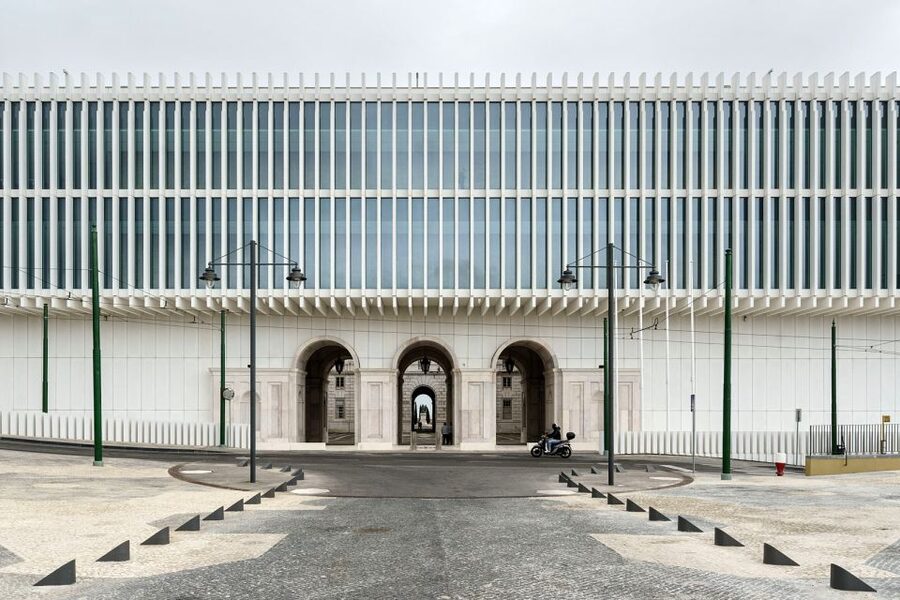
Reviewed · MUSEUMS
Lisbon: Royal Treasure Museum Entry Ticket
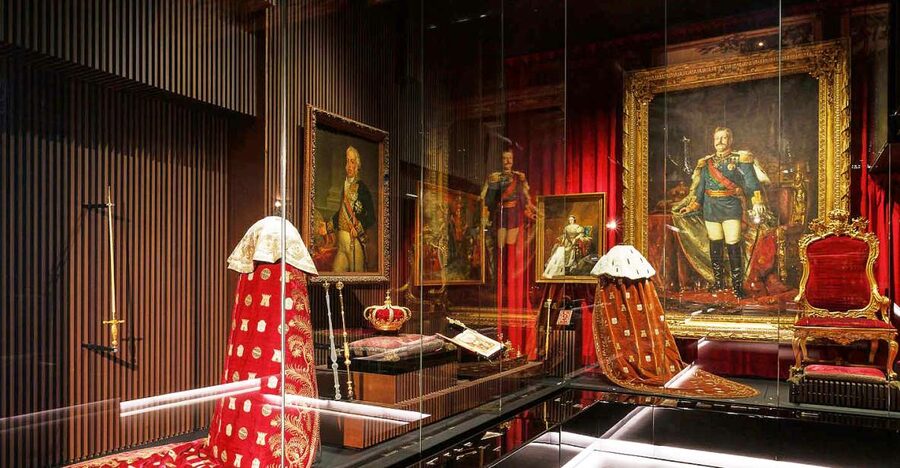
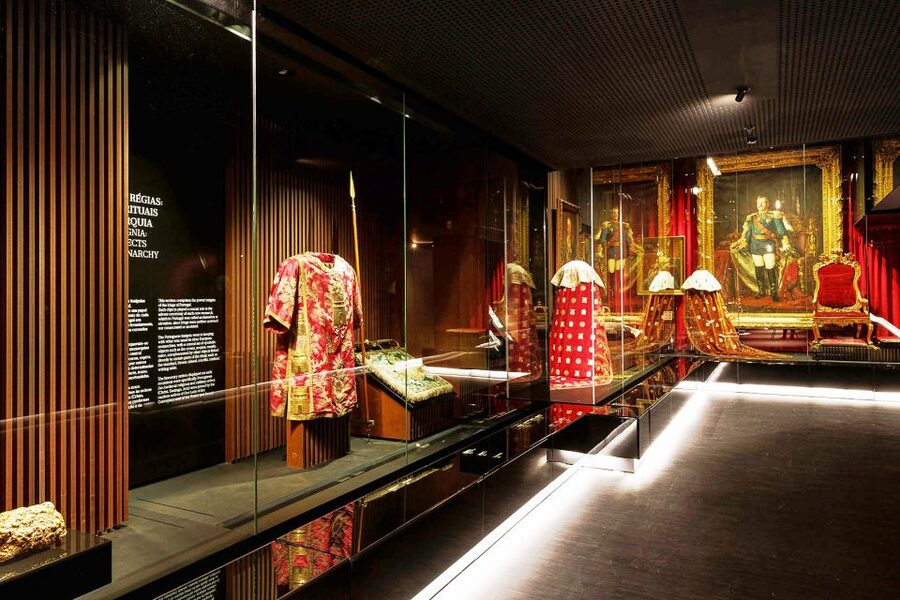
Lisbon’s Royal Treasure Museum is interesting because it turns royal sparkle into an on-site experience, inside the Ajuda National Palace itself. This is not a generic glass-case stop. It is built around Crown Jewels and related treasures, shown in a way that makes you pause and actually look.
I also like how the collection is organized like a museum, not a random pile of shiny objects. You get Germain silver tableware plus royal honors and ritual items, so the bling has context. One possible drawback to plan for, though, is that you have to pass through an airport-style security check and store larger bags before you go in.
Key highlights you will not want to skip
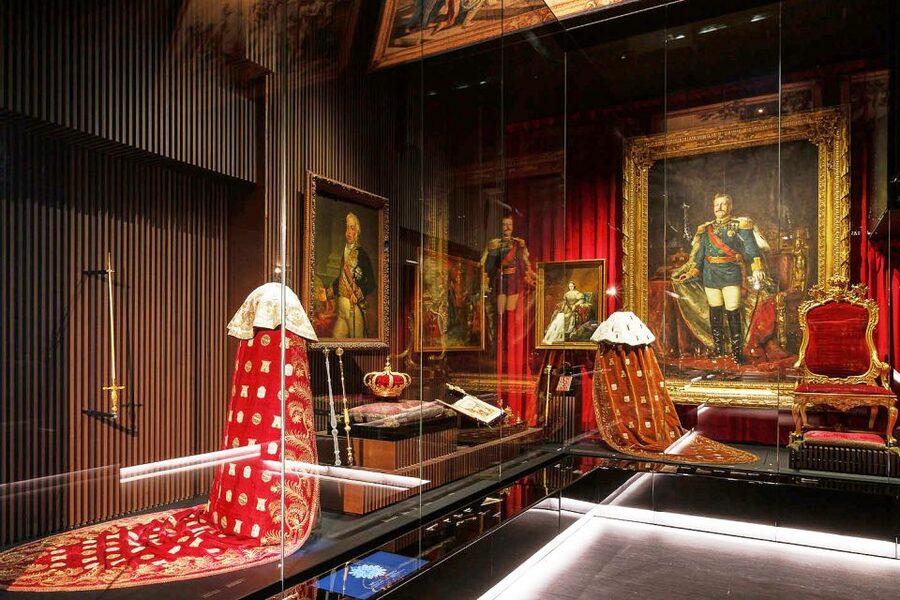
- Crown and private family collections shown side by side across 11 sections
- Gold and Diamonds from Brazil plus coins and medals connected to the Crown
- Orders, insignia, and the Royal Chapel items that explain how monarchy was displayed
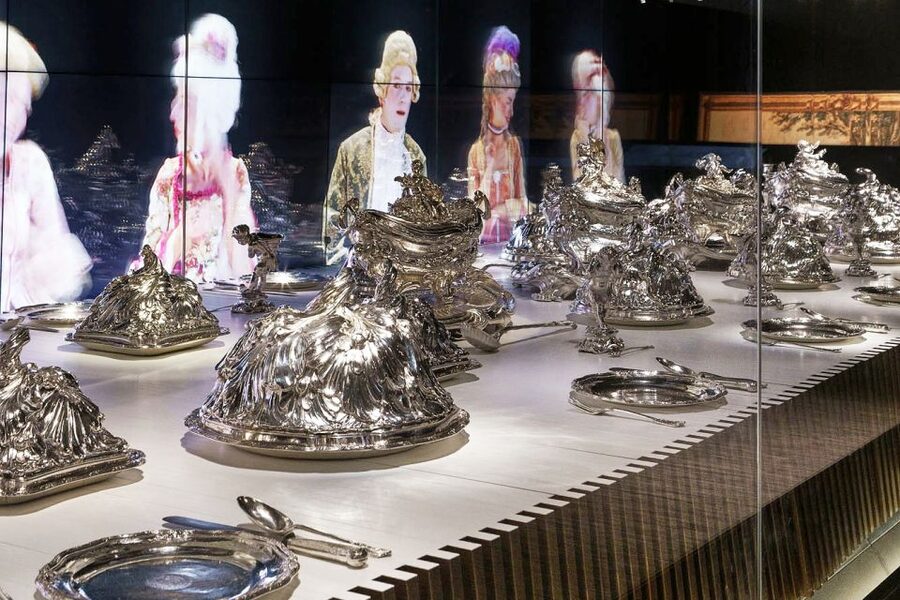
- The Crown’s Silver and Germain silver tableware, including world-famous serving pieces
- Diplomatic gifts and Treasure’s Travels, which add the “who gave what, and why” layer
Inside Ajuda National Palace: why this museum feels more real
The ticket gets you into the Royal Treasure Museum located within the Ajuda National Palace. That matters more than you might think. You are not just walking through a modern display. You are seeing royal objects placed in a palace setting, which helps the whole collection feel less like costume jewelry and more like real life.
The museum presents a permanent display made up of 11 sections. Those sections pull from items connected to the Crown as well as private collections tied to different members of the royal family. The collection is described as being built over eight centuries. That timespan is the best argument for visiting if you care about how objects changed, traveled, and got reused.
And yes, you will spend time looking at glass cases full of gold and diamonds. But you will also notice categories you might not expect, like ritual objects of the monarchy and diplomatic gifts. This is a royal treasure museum, but it is not only about jewels that look good in photos.
More Museums in Lisbon
- Lisbon: Luz Stadium Tour & SL Benfica Museum Entry
★ 4.7 · 4,102 reviews - Lisbon: MAAT Gallery and MAAT Central Entry Tickets
★ 4.0 · 559 reviews - Lisbon: Banksy Museum Permanent Exhibition Entry Ticket
★ 4.7 · 506 reviews
Price and value: is $12 worth it
At about $12 per person for an entry ticket, this is one of the easier museum values in Lisbon. You are paying for access to a large permanent exhibition with 11 sections spread over three floors. That is a lot of viewing time for the price.
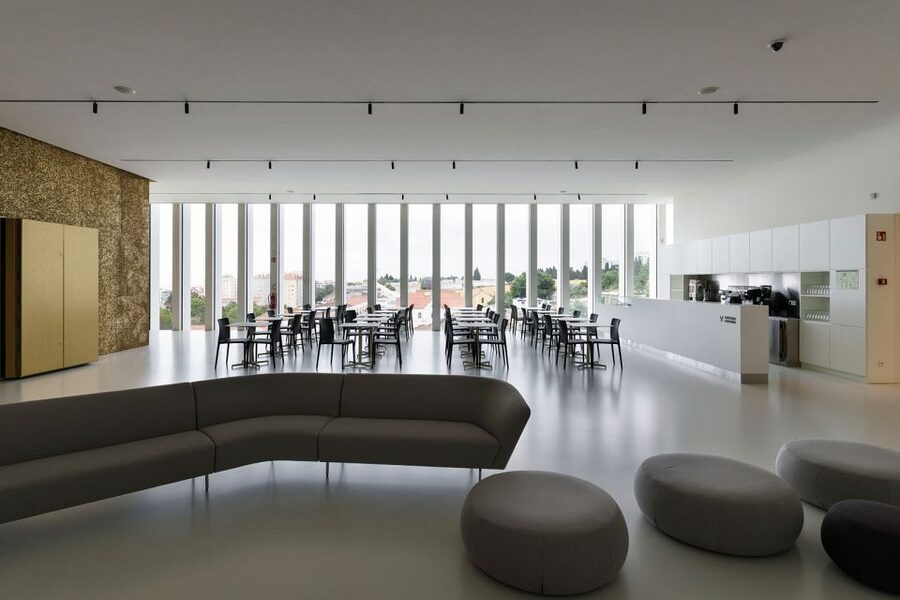
You also get more than the exhibition rooms. There is a cafeteria and lounge area inside the museum, which makes it easier to take a breather without rushing back out into the city. And there is a themed souvenir shop on site if you want a royal-treasure themed memory instead of another magnet.
If you are the type who likes museums where you can slow down and read labels, this ticket works well. If you mostly want quick photo stops, you might feel pressured by the security process and the time limits near closing. Still, the variety here gives you plenty of reasons to slow down.
Getting your ticket redeemed and passing the security gauntlet
Your entry starts at the ticket desk in the Ajuda National Palace. After redemption, you will need to pass through a number of security systems, including an airport-style security check. This is not a scare tactic. It is a heads-up so you do not arrive assuming it will be quick.
Plan for this like you would at an airport. If you are carrying a larger bag, you must put it in lockers available at the entrance on the shop side. Try to travel light here. A smaller day bag will feel much easier in the flow.
Also, plan around the closing rhythm. Last admission is 60 minutes before closing. If you like to take your time, aim to enter earlier rather than treating it like a last-minute browse.
How the 11 sections work across 3 floors
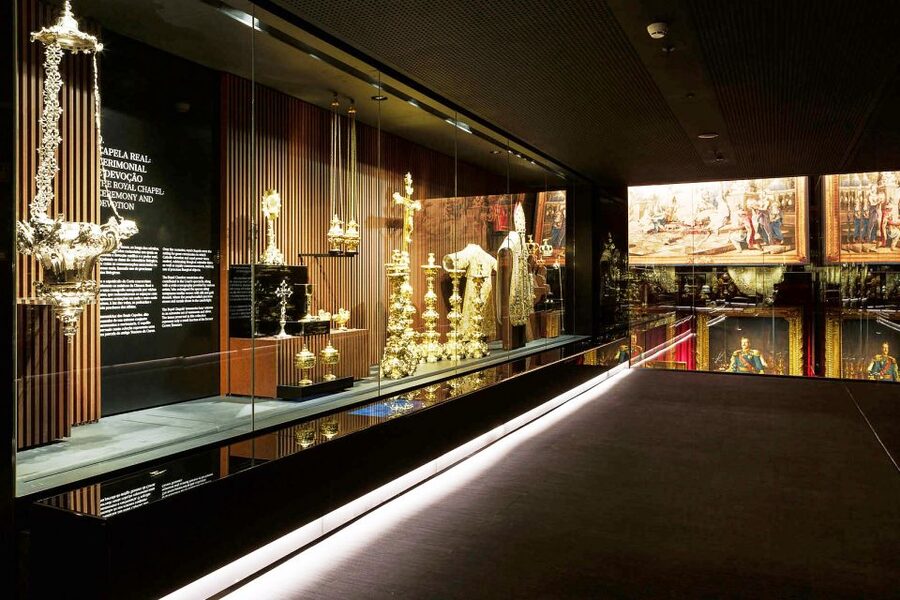
The museum’s permanent display is organized into 11 themed sections spread over three floors. You will move at your own pace, and the categories are clear enough that you can shape your visit.
That flexibility is a real advantage. If you are only here for jewelry, you can focus on the crown pieces and gems. If you care about how royalty communicated power, you can track the orders, insignia, and ritual objects. If you prefer craftsmanship and everyday symbolism, you can spend extra time on the silver and tableware.
The key is to treat it like a guided set of prompts. Each section is a different angle on royal life, not just another room of shine.
Another Lisbon day, differently spent:
- Lisbon City Center Tour – The Unmissable Lisbon
★ 5.0 · 22,234 reviews - Lisbon: Sintra, Pena, Regaleira, Cabo da Roca & Cascais
★ 4.7 · 19,656 reviews - Lisbon Card: 24, 48, or 72-Hour Pass
★ 4.5 · 17,944 reviews - Lisbon: Jerónimos Monastery Entrance Ticket
★ 4.1 · 14,164 reviews
Gold and diamonds from Brazil: more than flash
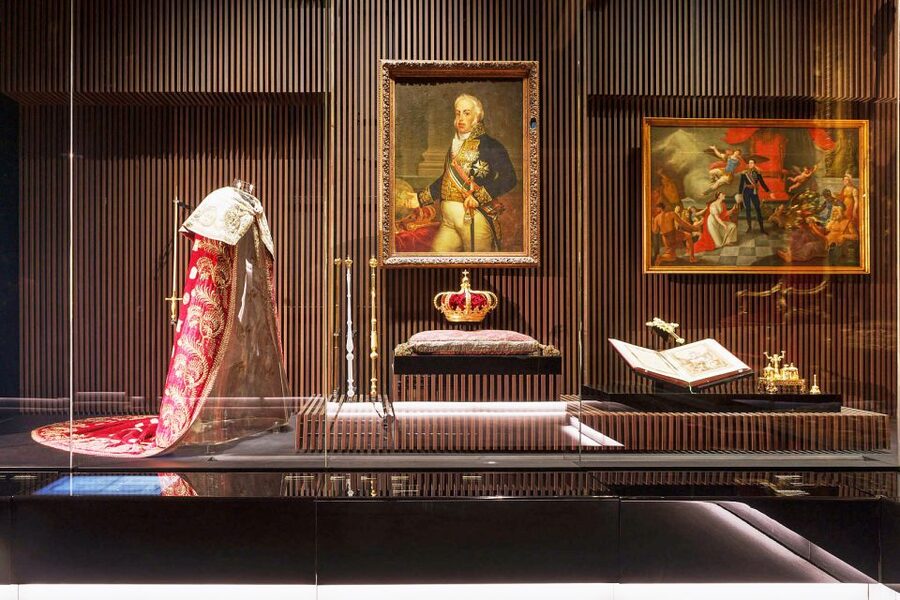
One of the exhibition sections is Gold and Diamonds from Brazil. This is the kind of title that sounds like pure sparkle at first. In practice, it helps you see how the Crown’s jewelry connects to global sourcing.
You are also seeing how value gets expressed through materials. Gold and diamonds are obvious. What is less obvious is how a royal collection builds meaning through category. This section sits next to others like coins and medals of the Crown, which helps you compare jewelry as display art versus jewelry as a formal sign of status.
If you like to understand objects by context, spend time reading the label text here. This is where the museum starts doing its best work for people who care about the story behind the objects, not only the surface.
Coins, medals, orders of knighthood, and merit
The exhibition includes Coins and Medals of the Crown, plus Orders of Knighthood and Orders of Merit. These sections are easy to overlook if you are only chasing gems and silver.
Do not skip them. They help you see monarchy as a system. Coins, medals, orders, and insignia are a way power gets stamped into objects people wear, carry, display, or recognize. Even if you do not read every line, the visual design does a good job of showing seriousness and hierarchy.
This is also where the museum’s 11-section structure pays off. When you see orders and medals next to other categories, you start to spot patterns in the way royalty signaled rank and allegiance.
Royal insignia and the royal chapel: ritual objects, explained by design
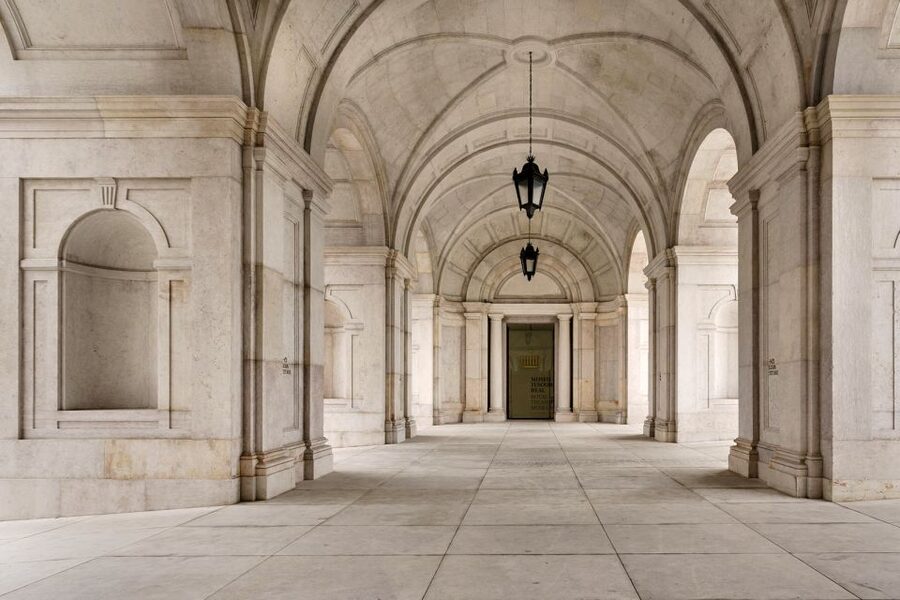
Another section is Royal Insignia (Ritual Objects of the Monarchy), and there is also a Royal Chapel section. These are the items that often feel different from standard jewelry displays.
Insignia and ritual objects tend to be about performance and ceremony. That means the forms, placement, and symbolism matter more than shine. The Royal Chapel piece adds a spiritual dimension, which is useful if you want to understand how monarchy connected to worship and ceremony.
If you are wondering what to do in a museum when you are not a “jewelry person,” this is your answer. Look for how the objects were made to be used in moments, not just admired at rest.
The Crown’s silver and Germain silver tableware
This museum is especially strong if you like metals and craftsmanship. You get The Crown’s Silver and also The Germain Silver Tableware.
The tableware is described as world-famous, and it makes sense. Silver like this is not only about wealth. It is about service and ceremony at the table. When you see serving pieces in a royal context, you realize meals were treated like state events, not just food.
One practical tip: slow down here. Silver shows wear and detail in a way that flat, single-angle photos cannot capture. Take a moment and look for the patterns and how pieces relate to one another in the display.
If you are buying one souvenir later, this is also the best place to decide what kind of memory you want. The themed shop is there for you after your viewing, and your favorite objects will guide what you actually want to take home.
Private collections and diplomatic gifts: the human side of royal treasures
Two of the most interesting sections are Private Collections and Diplomatic Gifts. This is where the museum shifts from royalty as an institution to royalty as a network of relationships.
Diplomatic gifts help you imagine the conversations behind the objects. Someone gave something. Someone received it. The item became a record of that moment. It is a different kind of storytelling than medals and orders. It is personal, political, and often international.
Private collections add another layer. They suggest that royal family members curated their own tastes and interests within the broader framework of the Crown. If you like museums that feel like character studies, this is a good area to linger.
“Treasure’s Travels”: why the museum is about movement
The final named section is The Treasure’s Travels. Even with only the title to go by, the idea is clear: these treasures did not just sit in one place. They moved, changed hands, and ended up in new contexts.
This section is valuable because it keeps the museum from feeling like a frozen timeline. Objects have their own travel stories. That makes the collection feel less like a static display of the past and more like a living chain of events.
When you combine this with the global sourcing implied by Brazil gold, you get a more complete picture of how royal objects connect to the wider world.
Take a break in the cafeteria and lounge, then shop for a themed souvenir
You can recharge inside the museum thanks to a cafeteria and lounge area. That is a smart setup. Even if you are excited to keep walking, museum visits are still museum visits. Your feet and your attention need breaks.
Then check the themed souvenir shop. It is built around the museum’s subject, so you are not stuck with random Lisbon trinkets. If you want something connected to what you just saw, this is the easiest place to match your purchase to your favorite section.
Who this museum ticket is best for
This entry ticket works well if you:
- Love museums that mix categories, like jewelry plus honors plus ritual objects
- Enjoy craftsmanship-focused rooms, especially silver and tableware
- Prefer self-paced viewing through clearly themed sections on multiple floors
- Want a Lisbon stop that is not only about monuments and viewpoints
It may be less satisfying if you:
- Only want quick photo spots and do not like security lines or reading labels
- Are short on time and tend to enter late, since last admission is 60 minutes before closing
Should you book the Royal Treasure Museum ticket?
I think you should book if you want one focused, high-value museum hour or two that is tightly themed around royal treasures, not scattered exhibits. At about $12, you get access to a permanent display with 11 sections over three floors, plus a cafeteria, lounge, and an on-site souvenir shop.
Book it especially if you care about more than the obvious sparkle. The mix of orders, ritual insignia, the Royal Chapel, diplomatic gifts, and Germain silver tableware makes the visit feel like more than jewelry appreciation.
If you are the type who plans your day around closures and timed entry, also book early. The security check and the last admission rule make it better as a deliberate stop, not an end-of-day gamble.
FAQ
Where is the Royal Treasure Museum located, and where do I redeem the ticket?
The Royal Treasure Museum is in the Ajuda National Palace. Redeem your ticket at the ticket desk in the palace.
How much is the Lisbon Royal Treasure Museum entry ticket?
The price is listed as $12 per person.
What is included with the ticket?
The ticket includes entry to the Royal Treasure Museum exhibition.
What kinds of treasures will I see?
You will see royal jewels and silverware in 11 sections, including items such as Gold and Diamonds from Brazil, Coins and Medals of the Crown, Orders of Knighthood and Orders of Merit, Royal Insignia, The Crown’s Silver, Private Collections, Diplomatic Gifts, the Royal Chapel, The Germain Silver Tableware, and The Treasure’s Travels.
Do I need to go through security, and what about luggage?
Yes. You will pass through airport-style security systems. Larger bags must be placed in lockers available at the entrance on the shop side.
Are English and Portuguese available?
Text and subtitles are available in Portuguese and English.
What time is the last admission?
Last admission is 60 minutes before closing.
Is the museum wheelchair accessible?
Yes, the museum is wheelchair accessible.
Latest reviews from Lisbon
- Lisbon Street Art – Private Guided Tour in a Electric Tuk Tuk★ 5.0 · 72 reviews
- Private Lisbon Walking Tour★ 5.0 · 72 reviews
- Pastel de Nata Workshop in Lisbon★ 5.0 · 72 reviews
- Palace Penna entrance included, Sintra, Cascais, Cabo Roca, private★ 5.0 · 72 reviews
- Group to Pena Palace, Sintra (pass by Regaleira) and Cascais★ 5.0 · 73 reviews
- Lisbon: Private Food Tour – 10 Tastings with Locals★ 4.8 · 73 reviews
- Lisbon: Transfer to Porto with Obidos and Nazare★ 4.9 · 73 reviews
- Secret Walking Food Tours in Lisbon – Belém★ 5.0 · 73 reviews
Museums, compared.

Cálem Cellar Tour, Interactive Museum & Wine Tasting
Read our review →

The Wine Experience, Best Wine Museum in the World
Read our review →

Banksy Museum Permanent Exhibition Entry Ticket
Read our review →
Belem, Jeronimos Monastery, and Coach Museum Tour
Read our review →
Browse the lists this tour appears in