
Reviewed · SURF LESSONS
Lisbon: Surf Lesson
If you want a fast, physical way to get to know the Atlantic near Lisbon, this Carcavelos surf lesson is a practical choice. You trade Lisbon street time for salt air, wetsuit time, and the satisfying moment when your legs figure out the pop-up.
Two things I really like about this setup: you get personal, close-by instruction in a small group (max 5 people per instructor), and you learn the stuff that matters for actually staying safe and catching more waves. A possible downside is that the ocean and the beach can be busy, so your experience can feel busier on the sand than it does in the water.
The lesson itself starts right at Carcavelos Beach, then adjusts to the day’s conditions, sometimes heading to Guincho. If you go with the right expectations, you’ll leave with basic skills you can use again, not just a one-time thrill.
Key things to know before you go
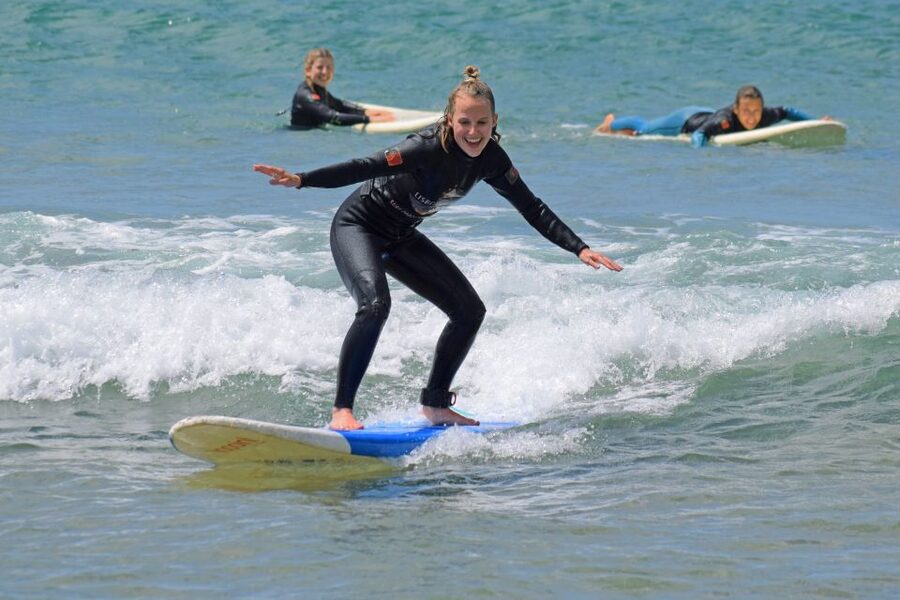
- Small-group teaching (1 instructor, up to 5 people) means you get feedback when you need it, not just a quick lecture.
- Gear included: wetsuit and board, plus the instructor, so you can show up and focus.
- Safety and ocean reading are part of the lesson, including how to choose a wave.
- Flexible beach choice: Carcavelos or Guincho, depending on weather and what’s best that day.
- Plenty of practice time for paddling, standing up, and getting your first real wave.
Why Carcavelos Surf Is a Smart First Step for Lisbon
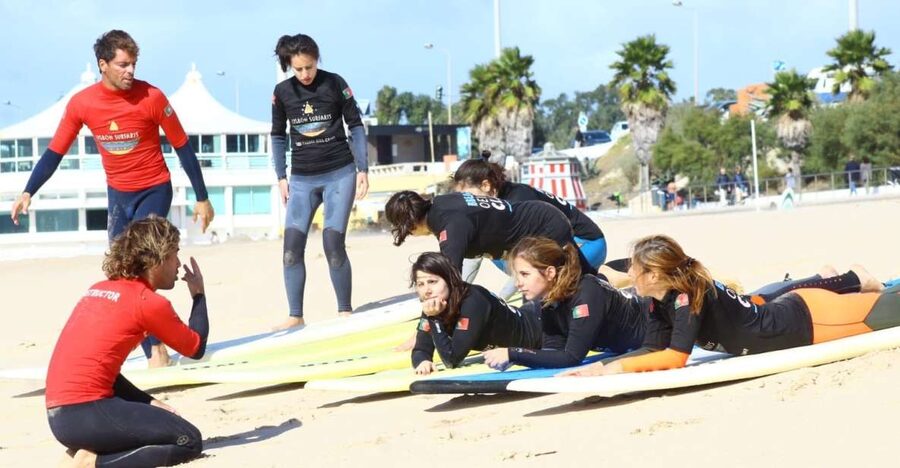
Carcavelos is one of those places where Lisbon’s coastline feeling shows up quickly. You’re close to the city, but you’re still in proper ocean territory, with waves that teach you fast. And that matters, because surfing is not a skill you learn from standing on land watching someone else do it.
What I like is the lesson’s shape. It’s built for beginners who need basics fast: safety, reading the water, then movement drills. Coaches like Tiago, Patrick, Ivo, and PePe come up again and again for being patient and helpful, and that fits what you need early on. You want guidance that sticks while your brain is busy figuring out how your board works.
The price is also worth thinking about. At $47 per person for a 2-hour lesson, it’s not just a “try surfing once” deal. The session includes equipment, instructor time, insurance, and transport to the right beach if needed. For a first timer, that combination is good value, because you avoid extra costs and uncertainty.
More Surf Lessons in Cascais
- Surf Experience in Cascais
★ 5.0 · 423 reviews - Cascais: Local Surf Experience
★ 4.9 · 135 reviews - Surf Lesson
★ 5.0 · 99 reviews
Getting Set Up at Carcavelos Beach, Right by Bar o Moinho
Your day starts at Lisbon Surfaris, located directly at Carcavelos Beach, next to Bar o Moinho. That’s useful because you’re not hunting for a van at some random meeting point. You can literally feel the beach vibe from the start.
From there, you get outfitted with the essentials: a wetsuit and a surfboard. If you’ve never worn a wetsuit before, don’t fight it. You’ll do fine, but give yourself a little time to get comfortable, because a good fit helps you stay warm and move with less fuss.
Also, bring a towel and sunscreen. The Atlantic can feel chilly even when the sun is doing its best, and you’ll want to dry off and protect your skin after. You also need a passport or ID card, since it’s listed as required.
How the Instructor Teaches Safety and Ocean Reading
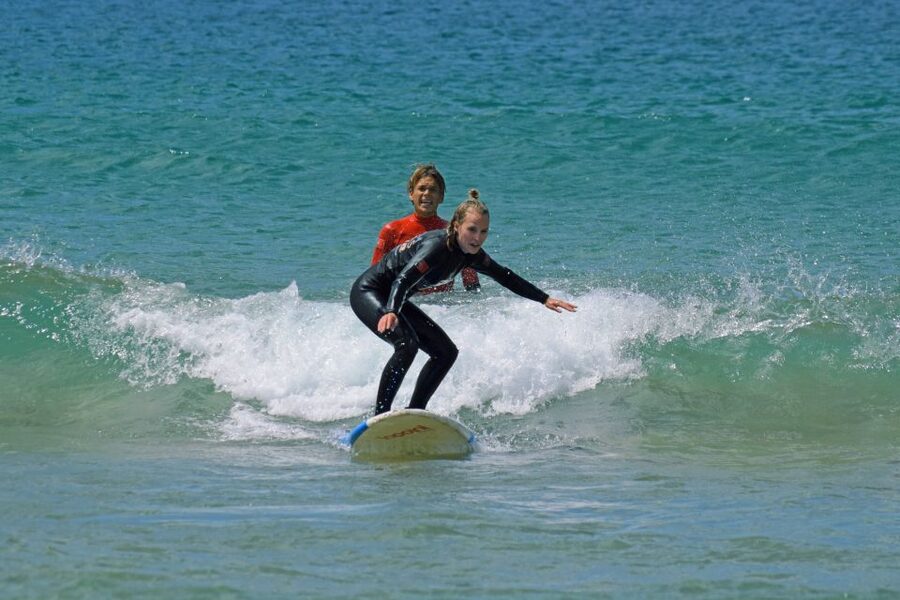
The best beginner lessons don’t start with the board. They start with safety and decision-making. Here you get exactly that: you learn essential safety skills and how to read the ocean before you chase waves.
You’ll cover things like:
- How to spot the right wave
- How to position yourself so you’re not fighting the current blindly
- Basic rules for staying aware of what’s happening around you
I also like that the teaching is repeated, not rushed. Instructors keep close by during practice, and they give individual feedback when needed. People mention that teachers were especially attentive with beginners, and that’s a big deal, because your first sessions are where small corrections save you from bad habits.
And it’s not just calm classroom talk. Once you’ve got the safety fundamentals, you’re out there applying them while paddling and trying the pop-up. That connection is where your confidence builds.
The Paddling and Pop-Up Practice That Gets You on Waves
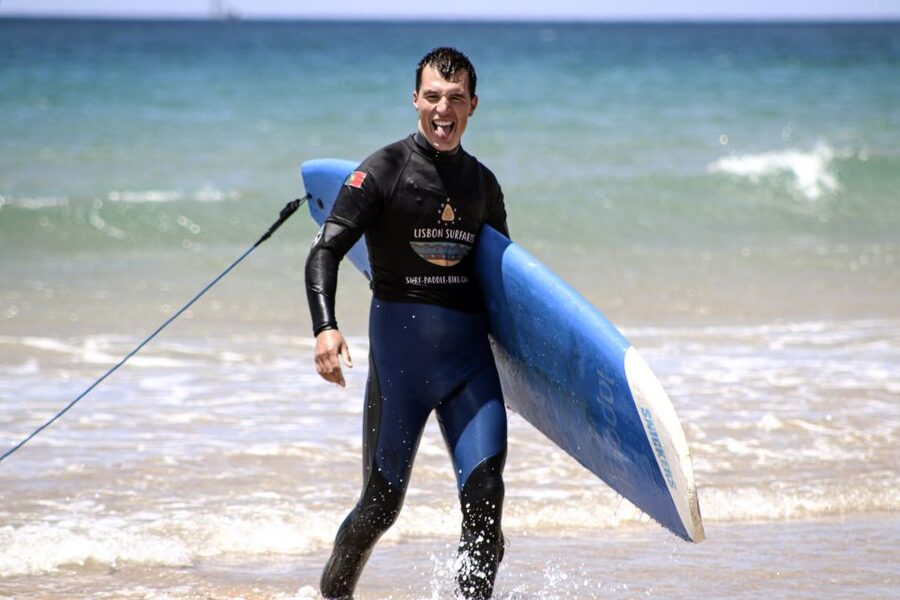
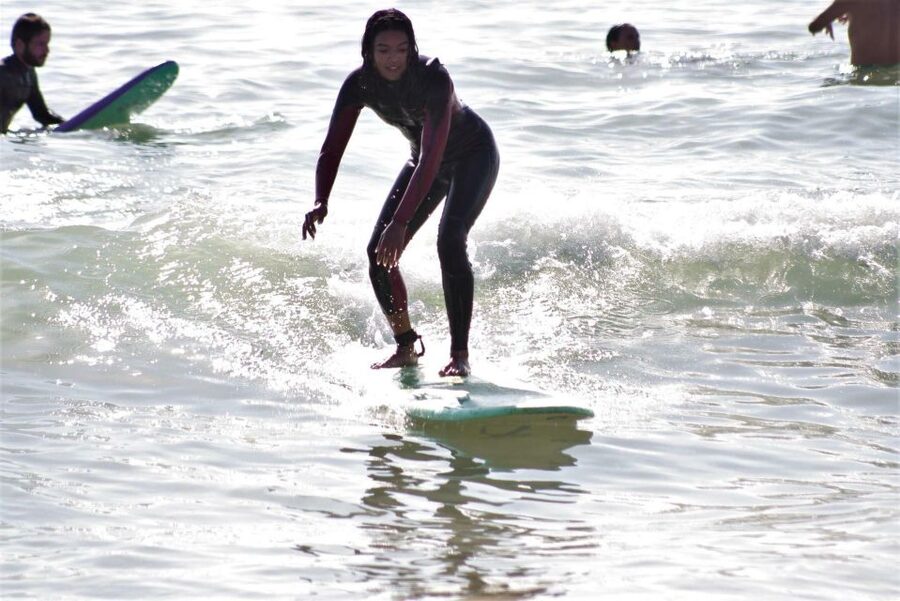
If you’re new to surfing, your biggest challenge is not catching waves. It’s staying coordinated while you’re tired, cold, and balancing on a moving board. This lesson focuses on the core moves that make the rest possible.
You’ll work on:
- Paddling technique (so you can actually get out beyond the breaking zone)
- Standing up on the board (the pop-up itself)
- Timing and wave selection (so you choose waves that fit your level)
What I appreciate is the pacing. You get a warm-up, a safety talk, then practical practice. Beginners often worry they’ll waste the session sitting around. Here, the lesson is structured so you’re constantly practicing, not just waiting your turn.
Small-group size helps a lot. With 1 instructor and up to 5 people, your corrections can be immediate. One person noted that everyone received individual feedback on how to improve, and that’s exactly what you want. If you’re always guessing, you get frustrated. If you get one clear fix at the right time, you progress quickly.
Another Cascais day, differently spent:
- Cascais: Sunset Boat Trip with Welcome Drinks
★ 4.7 · 248 reviews - Lisbon: Sintra Private Day Trip with Pena Palace & Wine Tasting
★ 5.0 · 226 reviews - Cascais: Dolphin Watching Speedboat Tour
★ 4.9 · 156 reviews - Cascais Deep-Sea Fishing Trip
★ 4.9 · 94 reviews
Carcavelos or Guincho: How Weather Shapes Your Session
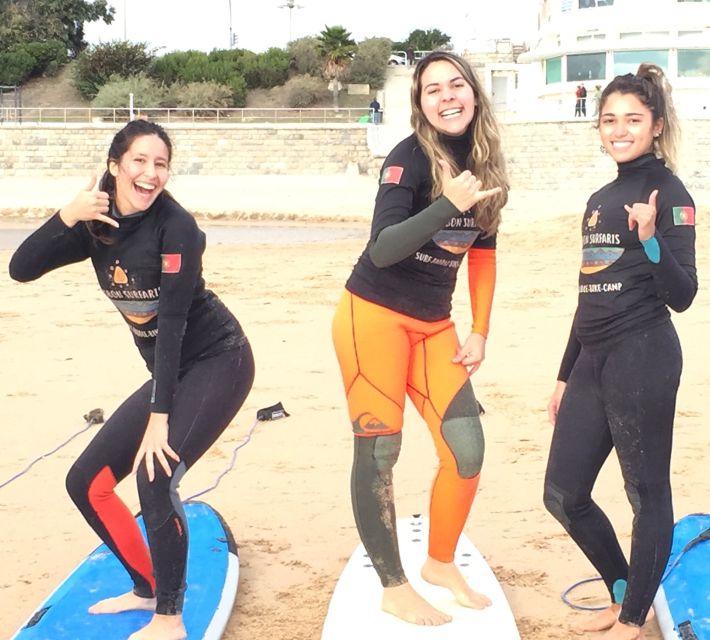
One smart detail is where you surf on the day. The plan is to meet at Carcavelos, then head to Carcavelos Beach or Guincho beach depending on what weather and conditions look best.
Why this matters: surf conditions can change quickly along this stretch of coast. Sometimes one beach is more beginner-friendly than the other in terms of wave timing, wind, or how the waves break. Letting the team choose the better option is practical, because you want more “learn” moments and fewer “why is this impossible today?” moments.
If you end up at Carcavelos, you still get that classic Lisbon-coast feel. If you go toward Guincho, you might feel more exposed to wind and ocean energy. Either way, the lesson stays focused on the same fundamentals: safety, reading the water, paddling, and pop-up practice.
A heads-up from real-world experience: Carcavelos can be crowded at times. That’s not unique to this lesson, but it can affect how busy the shoreline feels. The coaching helps you stay efficient in the water anyway.
Small Groups, Private Lessons, and the Difference That Makes
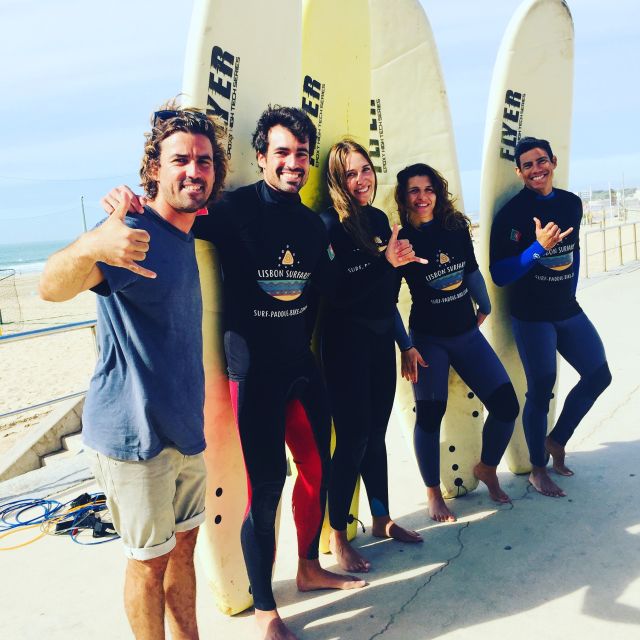
This lesson offers shared or private options. Either way, the group structure is built around having an instructor who can actually see what you’re doing.
The class size limit is clear: groups are 1 instructor plus a maximum of 5 persons. In practice, that small ratio means:
- Your instructor can check your positioning and timing directly
- You spend less time waiting and more time trying
- You get corrections while the movement is fresh in your mind
People also mention that instructors are warm and fun, not just strict. Guides like Tiago, Patrick, Ivo, and PePe are often praised for being helpful, patient, and close by. That matters because beginners need more than technique. You need reassurance that you’re doing the basics right, even if the first few waves don’t look perfect.
If you’re traveling with a friend and want quieter attention, a private lesson can be a good fit. If you want to meet other travelers and still get personal coaching, the small-group shared format is a sweet spot.
What You Really Get for $47 in 2 Hours
At $47 per person, the biggest question is whether you’re paying for actual coaching time or just renting gear. Here, the price is supported by what’s included:
Included:
- Surfing equipment (wetsuit and board)
- Instructor
- Insurance
- Transportation to the beach if necessary
Not included:
- Hotel pick-up and drop-off
- Food and drinks
That package feels fair because beginners often underestimate how much time equipment, warm-up, and safety training take. When those pieces are included, you don’t scramble to solve logistics while your body is still figuring out the basics.
Also, 2 hours can sound short until you think about surfing. You have to suit up, learn safety, practice paddling, try the pop-up, and then reset. For a first lesson, 2 hours is a realistic window where you can make progress without burning out.
If you want the full beach-day experience, plan to eat before or after. Since food and drinks aren’t included, bring a plan. Even a simple snack afterward helps you recover faster and remember what you learned instead of just feeling wiped out.
What to Pack, What to Expect, and How Cold the Atlantic Feels
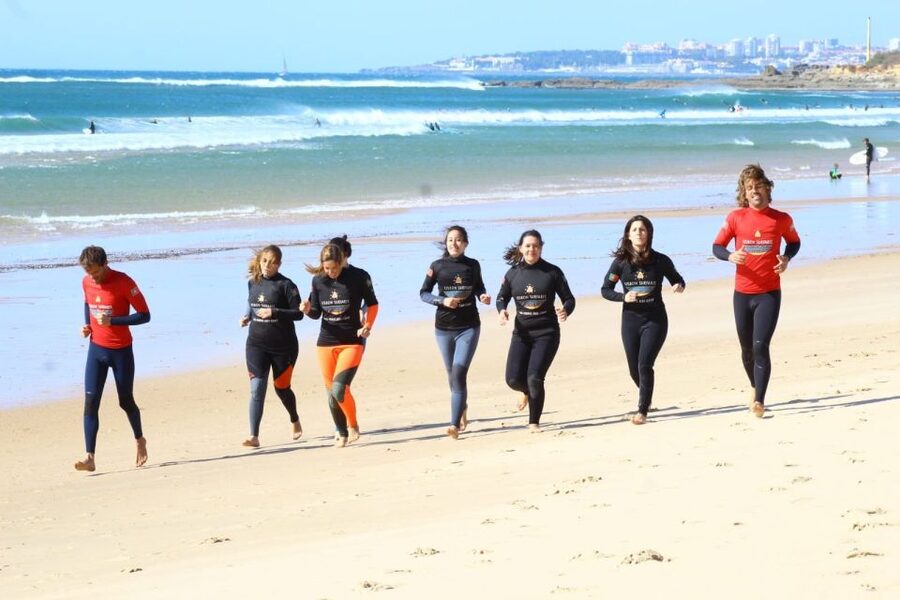
The basics you should bring are listed clearly:
- Passport or ID card
- Towel
- Sunscreen
Beyond that, I’d suggest you wear swimwear you’re okay getting stretched slightly by the wetsuit process. The wetsuit is part of your comfort and safety, so you want to be able to fit into it without doing gymnastics.
One more helpful detail from experience shared by participants: wetsuits come in different sizes and thicknesses, including gear suited to cooler conditions. That’s a big deal in spring and shoulder seasons when the Atlantic can feel sharp. It means you’re more likely to focus on learning instead of shivering through the session.
And you’ll likely feel the ocean in your body afterward. That’s normal. Surfing uses muscles you don’t always think about, especially core and shoulders during paddling and timing. Give yourself time to stretch afterward and hydrate.
Who This Lesson Suits, and Who Should Skip It
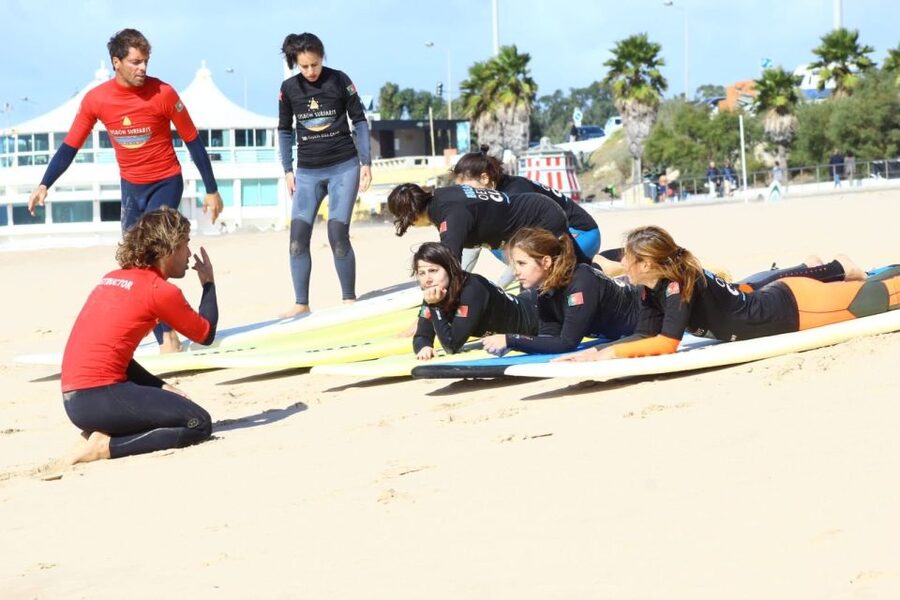
This surf lesson is designed for beginners, including people who have never stood on a board. The coaching style is built around helping you get the basics quickly and safely. If you want a structured introduction without renting gear on your own and guessing the ocean, it’s a good match.
It’s also well suited for:
- Adults who want small-group feedback
- People who want to choose between shared or private coaching
- Travelers who like hands-on learning more than lecture-style tours
Not suitable:
- Children under 6 years
- Pregnant women
- People with mobility impairments
If any of those apply, you’ll want to look for an alternative activity that fits your needs. Surfing involves uneven sand, getting in and out of gear, and ocean conditions you can’t fully control.
Should You Book Lisbon Surfaris?
I’d book this if you’re in Lisbon and you want a beginner-friendly surf lesson that prioritizes safety and real technique, not just the photo moment. The small-group cap (max 5 per instructor) and the focus on basic moves like paddling and standing up are exactly what help first timers progress.
Choose it with confidence if:
- You want equipment included and a clear 2-hour plan
- You like the idea of individual feedback
- You’re okay meeting at Carcavelos Beach and handling your own snacks
Skip it or reconsider if:
- You need hotel pick-up
- You fall into the listed non-suitable categories
- You expect a long day at a relaxed pace, since this is focused, physical instruction
If your goal is to learn the foundation and leave with practical skills for your next session, this is a solid value. Carcavelos gives you the setting, and the coaching structure gives you the results.
Latest reviews from Cascais
- Lisbon: Sintra Private Day Trip with Pena Palace & Wine Tasting★ 5.0 · 226 reviews
- Surf Experience in Cascais★ 5.0 · 423 reviews
- Surf Lesson★ 5.0 · 99 reviews
- Cascais: Dolphin Watching Speedboat Tour★ 4.9 · 156 reviews
- Cascais Deep-Sea Fishing Trip★ 4.9 · 94 reviews
- Cascais: Local Surf Experience★ 4.9 · 135 reviews
- Cascais: Sunset Boat Trip with Welcome Drinks★ 4.7 · 248 reviews
Surf Lessons, compared.
Learn to Surf in Chill Beach Vibes & Good Times
Read our review →
Beginner Surf Lesson at the Beautiful Algarvian West Coast
Read our review →Browse the lists this tour appears in