
Reviewed · COIMBRA TOURS
Schist Villages at Lousa Mountain
This is the kind of day trip that feels interesting before you even start walking, because you’re going from Coimbra into the Schist villages of Lousã Mountain, where stone houses and mountain paths still shape daily life. I like the off-road mountain driving and the fact that you get short, focused time in multiple villages instead of rushing through one. One drawback to plan for: there are steps, hills, and plenty of uneven ground, so comfy shoes are not optional.
I also like how flexible the experience can be, since it’s a private-style tour (max 10 people) with a driver/guide who can adjust the pace. The guide in particular, Alfredo, stands out for slowing down at the right moments, pointing out wildlife, and making the restored buildings feel human, not museum-like.
If you want a relaxed morning with minimal walking, pick the half-day route. If you’re okay with more time in the mountains and longer village-hopping, the full-day option adds the higher, quieter villages.
Key highlights to look forward to
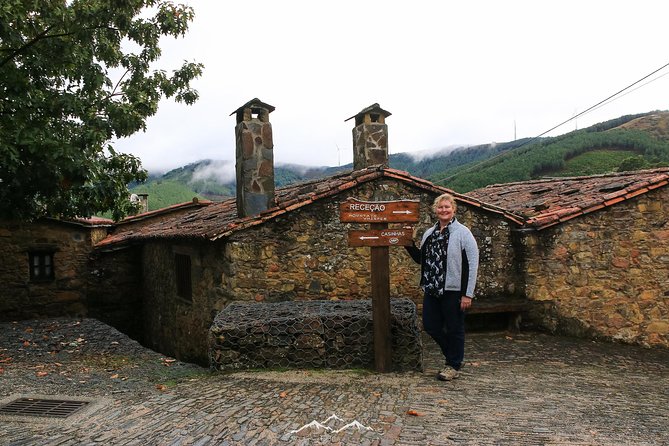
- Schist village architecture made of slate, stone paths, and restored homes in small hillside communities
- Real mountain driving on steep, sometimes non-paved roads, with a guide handling the wheels
- Short stop times that still give you breathing room to explore at your own pace
- Hiking between abandoned villages on the Lousã Mountain schist route (full-day includes more hiking options)
- Wildlife and nature spotting with binoculars included
- Photo support with a professional photographer guide and one souvenir photo included
Lousã Mountain schist villages: why this feels different from a city day
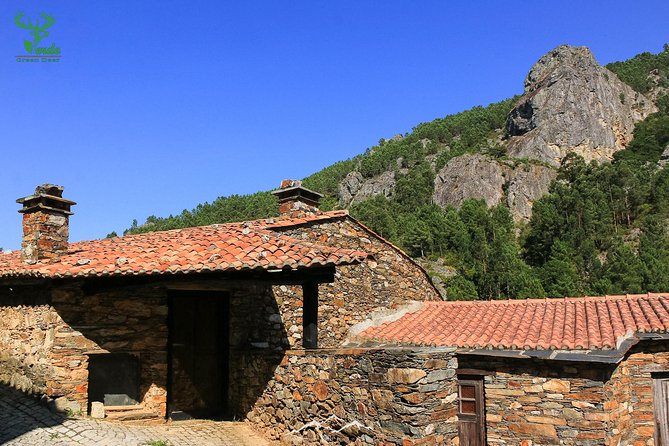
If you’re visiting Coimbra and already did the classic sights, this is a smart counterbalance. You trade tiled streets for slate stone, springs, hillside villages, and those steep lanes where you can feel how the land shaped the houses.
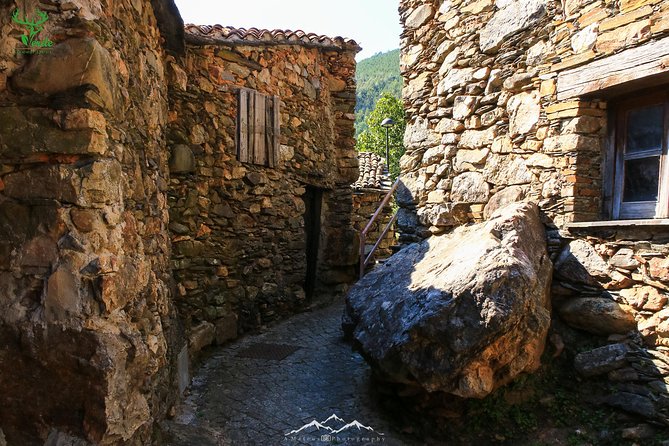
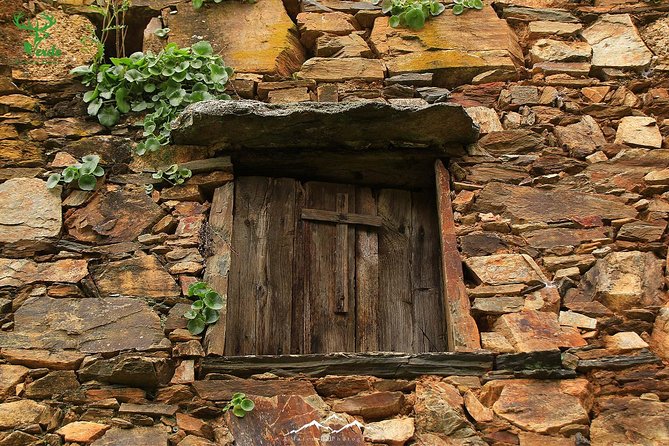
The schist tradition matters here. These villages are not just “pretty places to take photos.” The slate construction shows up everywhere: in doorways, walls, and the way paths route around slopes. You’ll see restoration work in progress, not just completed facelifts, and that makes the villages feel lived-in rather than staged.
What I especially enjoy is the mix of “easy look, then small walk.” Many stops are around 30 minutes, which keeps the schedule moving, but you’re still given time to step into lanes, look up at stonework, and notice details you’d miss if you were racing. And because the tour can run in all weather conditions, you’re not thrown off too badly if conditions shift, as long as you dress for it.
More of Coimbra:
- Coimbra: Live Fado Show with Glass of Port Wine
★ 4.7 · 998 reviews - Fátima and Coimbra Full-Day Tour from Porto
★ 4.8 · 696 reviews - University of Coimbra guided tours without queue
★ 5.0 · 518 reviews
Half-day vs full-day: how to pick based on your energy level
You have a choice between a half-day and a full-day format. The big difference is that some of the higher, more remote villages are full-day only.
If you want the most efficient taste of the region, the half-day route hits the core restored villages and viewpoints. It’s also the better option if you’re traveling with limited time, since the experience duration is listed as about 4 hours.
If you’re the type who likes slower village-to-village time, go full day. That route adds:
- Aigra Velha, the highest-altitude schist village at 770 metres
- Aigra Nova, with its small set of streets and active village life
- Pena, built with schist and quartzite, perched as if gravity is optional
The full day also naturally means more walking and more chances to stop for views. In practice, you’ll want to treat it like a mountain day, not just a sightseeing loop.
Getting out of Coimbra: pickup, private vehicle, and the real mountain roads
Start point is Largo da Portagem in Coimbra. If you selected hotel pickup, you’ll be picked up from many hotels in central Coimbra and also from places like Lousã, Miranda do Corvo, Condeixa-a-Nova, and Penela when there’s parking available.
If you’re outside those zones, pickup can still be arranged for an extra fee, listed as 10€ to 20€ depending on your location.
Here’s the practical part I think matters: once you start climbing, the roads can be steep and sometimes non-paved, with no guard rails. The tour runs by private vehicle with a driver/guide handling the drive, which is a big deal if you don’t want to deal with mountain navigation or tight turns. It also means your energy stays focused on walking and looking, not on steering.
Group size is capped at 10 people, and it’s set up as a private tour for your group. That helps with pacing. You’re not stuck in a big moving herd, and you can ask for one extra minute to look at a doorway or a spring channel.
Stop 1: Cerdeira, the slate-path village that feels like a storybook
Cerdeira is the kind of place that grabs you at the entrance. You cross a small bridge, and suddenly you’re looking at a handful of houses tucked through foliage. The whole village feels like it’s been preserved, then gently restored, with slate paths and water features that help everything feel grounded.
What I like about Cerdeira is how it connects the buildings to nature. A slate path points the way to a spring hidden among lush vegetation. It’s the sort of detail that makes you understand why people settled here in the first place, not just why the views are nice.
There’s also an arts-and-botany angle at certain times of year, so depending on when you go, you might catch seasonal events. Even if you don’t, the atmosphere still makes you slow down.
Time on this stop is about 30 minutes, and it’s a good opener. Easy to get oriented, easy to start noticing restoration details.
Another Coimbra day, differently spent:
- Guided tour of the University and city of Coimbra.
★ 5.0 · 377 reviews - Coimbra: Mondego River Kayaking Tour
★ 4.7 · 324 reviews - From Porto: Fátima and Coimbra Full Day Tour
★ 5.0 · 304 reviews - Aveiro & Coimbra Small Group Tour with Moliceiro Boat Cruise
★ 4.7 · 254 reviews
Stop 2: Candal, the more developed village with a laid-back rhythm
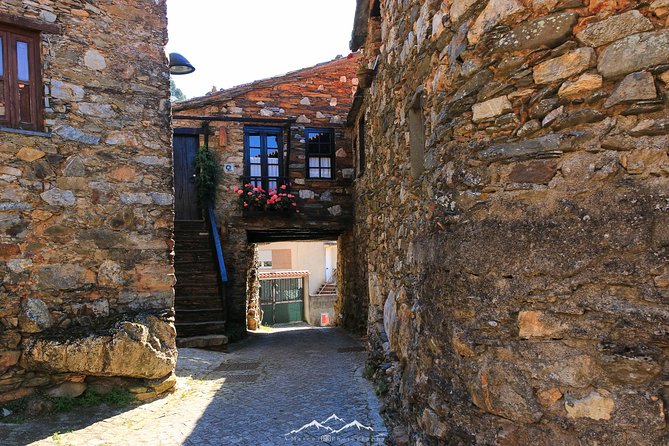
Next is Candal, one of the more developed mountain villages. The big reason is simple: it has easier access thanks to the national highway.
That affects the vibe. You may see more visitors than at the quieter schist villages, and the pace feels more social, more weekend-friendly. If you want a break from “remote and quiet,” Candal is often a relief.
Expect the stop to be short, around 30 minutes, and mainly for wandering and getting a feel for how the village supports day-to-day life, not only tourism.
Stop 3: Aldeia do Talasnal, restoration details you can actually see up close
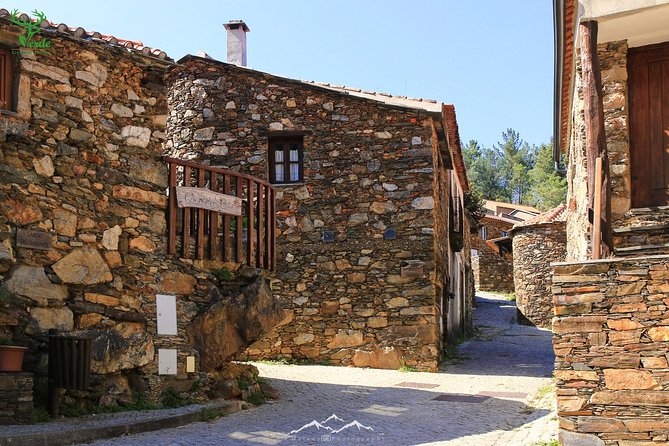
Aldeia do Talasnal is a major reason the Lousã schist villages are famous for their charm. The focus here is on nature, plus the restoration of houses, with a lot of attention to details.
If you like architecture, this is a good place to slow down. You’ll likely notice differences in building style, stonework, and how restoration respects the village shape rather than flattening it. It’s not just about a pretty facade. It’s about how the houses work on a slope.
This stop runs about 30 minutes, and because the village is compact, you can usually cover the lanes without feeling like you’re sprinting.
Passing by Casal Novo: quick looks from an unpaved road
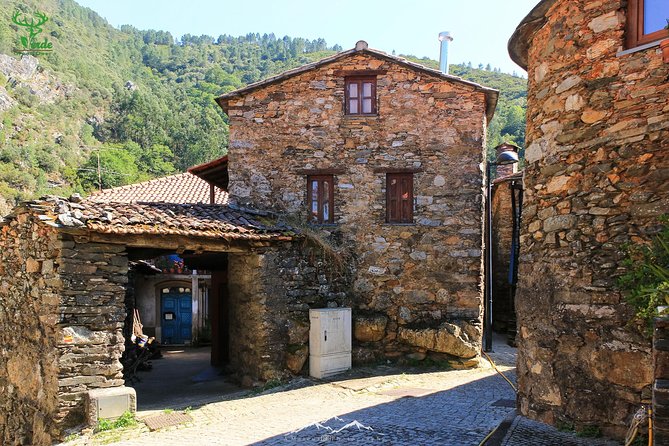
You’ll pass along an unpaved road, and Casal Novo is so small and tucked into the hillside fold that it can almost slip by unnoticed at first. The village lies on a steep, north-facing slope, and woodland hides its outline.
Why it matters: this is the moment where you see how these communities cling to terrain. You’re not just walking in villages, you’re moving through the mountain logic that made them.
The timing is brief here, since you’re mainly spotting the village as you go.
Stop 4: Aldeia de Gondramaz, fully restored and perfect for coffee
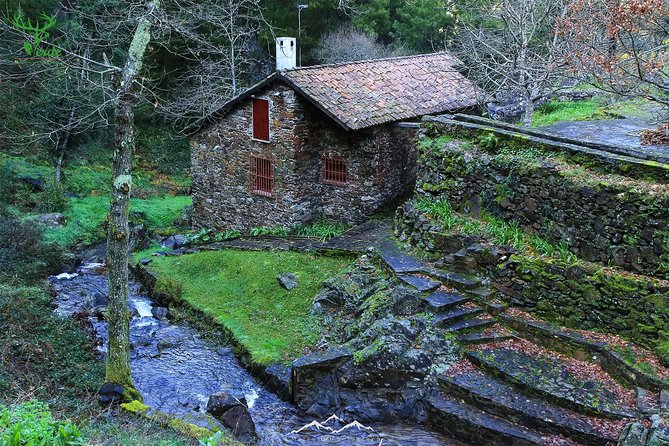
Aldeia de Gondramaz is described as completely restored, with about 50 houses. It also includes a tourist resort element, so it’s a practical pause in the day.
You’ll have coffee here, which is honestly one of the best uses of stop time. When you’re in the hills, you can feel your pace slowing, and a warm drink gives you a reset before the next stretch.
This stop is also about 30 minutes, so plan to keep it simple. Take the coffee, walk a little, then move on while you still have energy for the next hike.
Stop 5: Aldeias do Xisto, Cadaval Cimeiro and Cadaval Fundeiro hike
Now you get into the hike portion that makes the day feel active rather than purely scenic.
You’ll visit two abandoned schist villages, Cadaval Cimeiro and Cadaval Fundeiro, which burned twice in the 1980s. Between them, you hike, making the route feel like a connecting corridor rather than two isolated photo stops.
This is where the tour shifts from “look at buildings” to “walk the story.” You’ll likely see the contrast between abandonment and restoration efforts nearby, and you get a sense of how fire and rebuilding shaped these places over time.
It’s still a short hike within the schedule, but you should treat it like real walking. Steps, short climbs, and uneven ground are part of the deal on Lousã Mountain schist routes.
Full-day only: Aigra Velha at 770 metres and wide horizon calm
If you’re on the full-day route, Aigra Velha is the high point at 770 metres, close to the Lousã summits. The village is small, but the views make the altitude feel worth it.
This is also one of the stops that leans into the simplicity of mountain life. Everything is framed around the natural cycle: the village doesn’t try to look busy, it looks functional.
Because the stop is about 30 minutes, you don’t need to be a long-distance hiker. You do need to be comfortable with uneven paths and stepping around stone and slope.
Full-day only: Aigra Nova, three streets, real village life
Also full-day only, Aigra Nova is made of three small streets crossing the village. There’s a spring and a mild climate, which supports agriculture and broad pastures.
This is one of the stops where the village feels most alive. You may spot market gardens, livestock, and donkeys, plus day-to-day activities that make it feel like more than a showpiece.
It’s a great contrast to the more restored or restored-and-quiet villages. Even within a short stop time, it’s easier to imagine daily routines here.
Full-day only: Pena, schist plus quartzite, and a chestnut guarding the entrance
Pena is built from a mix of schist and quartzite, and there’s a centuries-old chestnut tree described as guarding the entrance. That kind of natural landmark helps you navigate and gives the village a distinct personality.
The village sits along a promontory, so the houses can look like they’re challenging gravity. It’s the kind of spot where you’ll want to stand still for a minute, look around, then move on. Don’t rush this one.
The village also makes good use of a stream with clear water. Nearby, the Penedos de Góis area offers adventure for the daring, though the tour itself is not promising thrills. It’s more like, if you’re curious, you’ll see why locals treat the water and rock as playgrounds.
Walking, steps, and what to wear on a schist mountain day
This is a mountain outing, so plan for the physical side.
Expect steps up and down, and uneven village streets. Even if you’re not doing anything extreme, the combination of stone lanes and slope means you’ll want good traction shoes.
Weather can change quickly in the hills. The tour operates in all weather conditions, so dress appropriately. If rain comes in, water resistant shoes and a light layer help a lot. You’ll also get more comfortable if you bring something small for sun or drizzle.
For balance, also remember you’re on a schedule with multiple stops of about 30 minutes each. You’ll have time to breathe, but don’t count on long stays everywhere.
Value check: the $102.80 price and what you really get
At $102.80 per person, this isn’t a bargain like a bus ticket. It is still a good value if you care about getting into the mountains without driving yourself.
Here’s why the price works:
- You get hotel pickup and drop-off if you selected that option (otherwise you meet at Largo da Portagem)
- A driver/guide handles navigation on steep and sometimes non-paved roads
- It’s a private group setup with a max of 10 people
- Binoculars are included, which matters for wildlife spotting
- There’s a professional photographer guide and one souvenir photo included
Then there’s the optional cost side:
- Meals are optional and paid separately on site, including lunch or dinner if your route includes them.
- Food and drinks are not included unless specified.
- Additional souvenir photos can be purchased.
In other words, you pay for access, guiding, transport, and photo support. You choose how much you want to spend on snacks and sit-down meals.
One small tip: with short village stops, I like saving room for one local bite rather than trying to eat everywhere. Coffee at Gondramaz is a good move, and lunch on the mountain can be your main meal.
Who should book this, and who might want another plan
This tour is a strong match if you:
- want a countryside break from Coimbra without renting a car
- enjoy walking small distances and exploring at a calm pace
- like villages with visible restoration work and active nature around them
- want wildlife spotting help, with binoculars included
It can be a less perfect match if you:
- need a fully flat, minimal-step itinerary
- want long stays in one place, rather than multiple short village visits
- get motion sick on steep roads, since the drive can be demanding in mountainous areas
The upside is that because it’s private for your group, you usually have more control over pace than on a big group bus.
Should you book Schist Villages at Lousã Mountain? My call
Book it if you want your Portugal trip to include real mountain villages, not just scenic viewpoints. The combination of slate architecture, restored houses, and nature spotting makes this one of the more memorable ways to see this region from Coimbra.
Choose the half-day if you want a powerful sampler with manageable time. Choose the full-day if you like height, wider horizons, and extra village life in places like Aigra Velha, Aigra Nova, and Pena.
One final nudge: wear shoes you trust on stone steps, and go in with the mindset that the best moments are often the small ones, like a spring path, a chestnut at the entrance, or a quiet lane where the village feels like it’s continuing after you leave.
FAQ
How long is the Schist Villages at Lousã Mountain experience?
The duration is listed as about 4 hours. There is also a choice between a half-day and a full-day tour, which changes how many villages you visit.
Where does the tour start from?
The meeting point is Largo da Portagem, 3000-337 Coimbra, Portugal. The tour ends back at the same meeting point.
Is hotel pickup included?
Hotel pickup is included only if you select the option. Pickup is available from most hotels in central Coimbra and other nearby towns if parking is available, and pickup from other locations can be arranged for an additional fee of 10€ to 20€.
Are meals included in the price?
Food and drinks are not included unless specified. Meals as per the itinerary (lunch or dinner) are optional and paid separately on site.
What size is the group?
The maximum group size per booking is 10 people.
Can I cancel and get a refund?
Yes. You can cancel for a full refund up to 24 hours in advance. If you cancel less than 24 hours before the experience starts, the amount paid is not refunded.
Are service animals allowed?
Yes. Service animals are allowed on this experience.
Latest reviews from Coimbra
- Discovering the charms and places of Coimbra★ 5.0 · 78 reviews
- Lousa Mountain Private Tour★ 5.0 · 88 reviews
- Lisbon to Porto Up To 5 Stops Óbidos Nazaré Fátima Coimbra Aveiro★ 5.0 · 90 reviews
- Fátima & Coimbra: Full Day Private Tour from Porto★ 5.0 · 96 reviews
- An adventure through the Schist Villages of Lousã★ 5.0 · 98 reviews
- Porto: Fatima and Coimbra Day Trip★ 4.5 · 110 reviews
- Conimbriga and The Roman Tour★ 5.0 · 132 reviews
- Joanina Library & Coimbra University | Private Former Alumni Tour★ 5.0 · 135 reviews
Coimbra Tours, compared.


University of Coimbra guided tours without queue
Read our review →
Guided tour of the University and city of Coimbra.
Read our review →
Aveiro & Coimbra Small Group Tour with Moliceiro Boat Cruise
Read our review →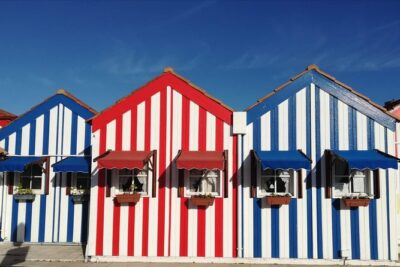
Aveiro and Coimbra Small Group Tour with Moliceiro Boat Cruise
Read our review →Browse the lists this tour appears in