

Reviewed · COOKING CLASSES
Traditional Portuguese Cooking Class in Lisbon
This cooking class is interesting because it teaches Portuguese food the practical way, by having you actually cook it, not just watch. You also get a small-group setting (up to 10) where the instructor can correct your technique while the meal stays relaxed. I especially like the step-by-step guidance and the fact you finish by eating the results together.
Second, I love that you get real dining extras included while you work, like Portuguese wines and beers plus finger foods to keep you going for the full 3 hours. The one drawback to consider is that the class runs as a group cooking flow, so if you prefer total control like at a private workshop, you may find the family-style pace a bit loose.
Quick highlights from the 4-course menu experience
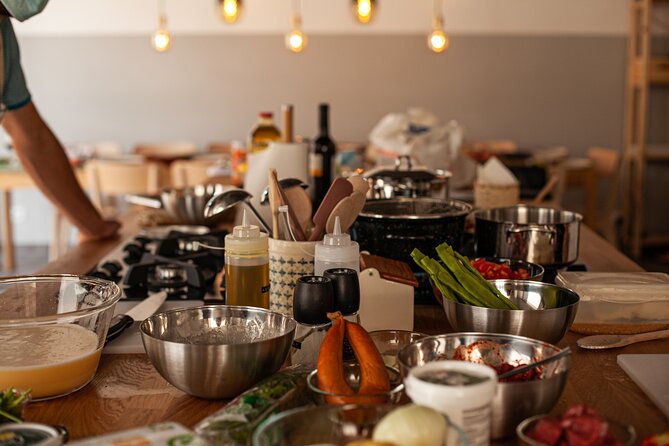
- Small group, hands-on work, with tasks that keep you involved instead of parked at the counter
- Portuguese wines, beer, and soft drinks included, with non-alcoholic options available
- Pastel de Nata baking included, using pre-prepared puff pastry so you can focus on the cream and bake
- Seasonal menu changes, so you get fresh ingredients rather than a fixed script year-round
- Lisbon culture in the cooking, with context tied to the dishes and how they’re traditionally served
A 3-hour four-course plan with wine, snacks, and real kitchen time
This Lisbon class is built for people who want more than a food tour. You arrive, snack, sip, and then spend about three hours cooking a full four-course Portuguese meal. The big value is that you are not just tasting Lisbon, you are making it, with an instructor who keeps the pace friendly and the instructions clear enough for beginners.
You get finger foods and beverages during the prep. Alcoholic drinks are included, and they also provide water, juices, and tea for anyone who doesn’t drink. If you travel with teens, alcohol is not served under 18, so the class still works as a family activity.
Group size matters here. With a maximum of 10 people, you should feel like you’re in a real cooking class and not stuck waiting for your turn. That small size also makes it easier to ask questions mid-recipe, instead of saving everything for the end.
More Cooking Classes in Lisbon
- Lisbon: Pastel de Nata Baking Class
★ 4.9 · 2,106 reviews - Lisbon: Traditional Portuguese Cooking Class
★ 4.9 · 592 reviews - Lisbon: 2-Hour Pastel de Nata Cooking Class
★ 4.8 · 461 reviews
Morning or evening slots, same idea, different timing
The class comes in morning or evening. That changes your day more than the content. If you’re doing lots of walking in Lisbon, an evening class can be a great way to reset and end with a proper meal. If you prefer to keep your evenings open, the morning option helps you still get a big food payoff without ruining dinner plans.
Duration is a plus, not a trap
Three hours is a sweet spot. You get enough time to learn multiple steps, including dessert, without feeling like you’re signing up for a full half-day event. It’s long enough to feel like a workshop, short enough that it fits cleanly into a Lisbon itinerary.
What you actually cook, and what each dish teaches you
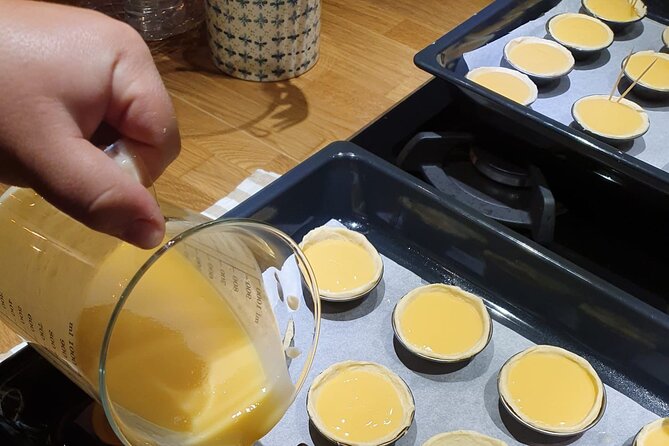
The class uses a traditional Portuguese menu that changes seasonally. So you might not get the exact sample dishes every day, but the cooking style and the lessons stay consistent. In practice, you should think of the menu as a set of Portuguese “anchors,” dishes you’ll see in Lisbon restaurants and at Portuguese family tables.
Here’s how the sample dishes map to what you’ll learn and what you’ll taste.
Another Lisbon day, differently spent:
- Lisbon City Center Tour – The Unmissable Lisbon
★ 5.0 · 22,234 reviews - Lisbon: Sintra, Pena, Regaleira, Cabo da Roca & Cascais
★ 4.7 · 19,656 reviews - Lisbon Card: 24, 48, or 72-Hour Pass
★ 4.5 · 17,944 reviews - Lisbon: Jerónimos Monastery Entrance Ticket
★ 4.1 · 14,164 reviews
Starters: learning the Portuguese flavor base
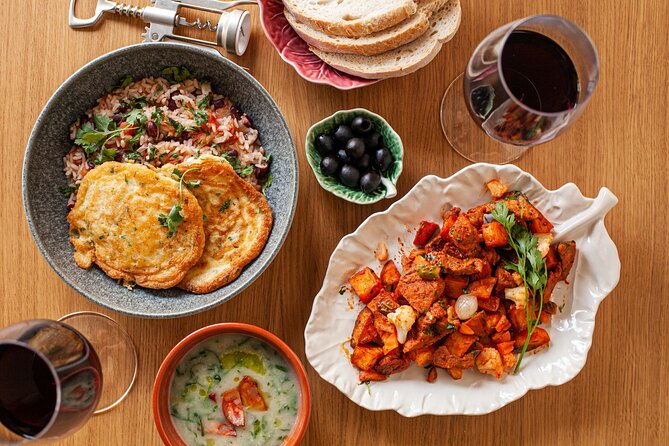
Portugal’s starters often focus on comfort flavors, salt, seafood sweetness, and greens. A starter might include caldo-verde, a famous Portuguese soup that relies on a simple but flavorful base. The lesson for you is in how the soup tastes like it took longer than it did, thanks to technique and timing.
You might also make pica-pau, which is typically pork served in a way that highlights seasoning and sauce balance. That helps you understand how Portuguese cooking uses intensity without needing complicated steps.
Another possible starter is amêijoa à Bulhão Pato, clams prepared with bold garlic and herbs flavors. Even if you’ve never cooked clams before, this is the kind of dish where the instructor can show you the quick, careful timing needed to keep seafood tender.
Mains: codfish, pork, and the logic behind Portuguese cooking
Lisbon and Portugal have a deep connection to cod, and you’ll see that clearly in the sample menu. Bacalhau à Brás is a classic cod dish where the main skills are managing texture and building flavor while keeping the cod enjoyable, not dry. If you can nail the balance here, you’ll understand why Portuguese cod recipes show up everywhere.
You might also cook pataniscas de bacalhau, codfish fritters. This teaches you how Portuguese fritter batter and frying work, plus how to keep the outside crisp while the inside stays tender.
For pork lovers, carne de porco com amêijoas combines meat and clams. That’s a good lesson in how Portuguese plates blend land and sea flavors instead of keeping them strictly separate. Another main option is migas com entrecosto, where you learn about handling bread-based elements and richer pork flavors together.
The practical takeaway: these mains aren’t random picks. They’re great for understanding the “Portuguese logic” of flavor, salt, herbs, and cooking rhythm.
Dessert: pastel de nata and two classic sweet finishes
Pastel de Nata is the headliner, and you’ll bake it as part of the class. The puff pastry is pre-prepared, so you do the part that matters most, the filling and baking. That keeps the lesson doable and helps you avoid getting stuck on pastry thickness or dough handling.
Along with pastel de nata, the menu also includes options like arroz doce, rice pudding. It’s a comforting dessert that helps you see how Portuguese sweetness is usually warm, creamy, and not overly complicated.
Another option is torta de laranja, an orange roll. That one is useful because it teaches you how citrus flavor works in Portuguese desserts, especially when paired with pastry and sweetness that doesn’t need heavy chocolate to taste complete.
Pastel de Nata: why the class setup is smart for beginners
Let’s talk about pastel de nata workflow, because this is where a lot of classes either set you up well or accidentally frustrate you.
In this one, you bake pastel de nata using pre-prepared puff pastry. That’s a big deal. You can focus on the filling consistency and on the oven timing instead of wrestling with dough from scratch. You still learn the key steps that make the pastries taste like Lisbon, like how the custard should set and how to watch the bake.
You should come away with a confidence boost even if you’ve never cooked anything similar. And if you have cooked before, you’ll still appreciate having the pastry part handled, because it speeds you into the hands-on technique that actually drives the final results.
How the kitchen flow works, family-style eating included
This class is structured around collaborative cooking. Instead of one person doing everything while others watch, you’re assigned tasks across the meal. That matters because it keeps you engaged for the full three hours, and it also helps you actually remember what you did.
When the food is ready, you eat together in a communal, family-style setup. That’s a plus if you travel solo, since it naturally creates conversation. People tend to compare what they liked, what they struggled with, and what they want to cook again later.
It does have one trade-off. If you hate any noise in shared spaces and you prefer a perfectly quiet dining experience, you might find it lively once the group settles in. Some classes also include extra drinks after the meal, like liqueur samples, depending on the flow of the day.
The overall vibe from the experience is relaxed and organized. You’re not rushed, and the instructor keeps things moving at a pace that lets you finish a full meal without feeling stressed.
Instructors that make technique feel doable
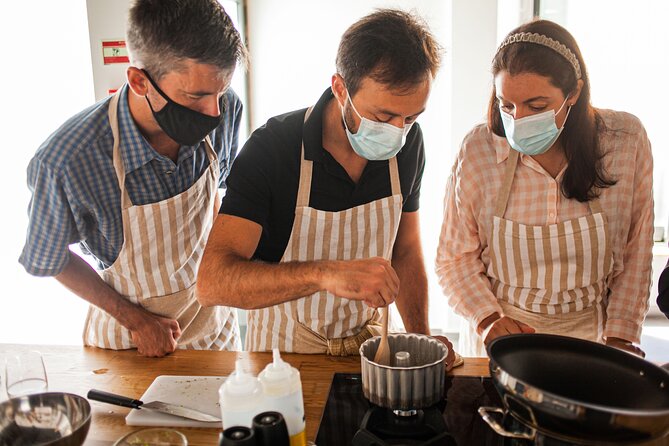
The quality of an instructor makes or breaks a cooking class. Here, the teaching style is interactive and supportive, and you get real attention because the group is small.
You may meet instructors like Miguel, Pedro, Beatriz, Teresa, or Rita, depending on your date. Across these instructors, the common thread is clear step-by-step explanations and a friendly approach to getting you cooking.
If you’re a beginner, this matters because Portuguese cooking can feel unfamiliar at first. The instructor approach helps you translate ingredients and methods into something you can repeat later. If you’re returning for seconds of learning, you may also appreciate that the teacher isn’t trying to do a flashy show. They’re teaching the steps that actually produce the flavor.
One useful detail: after class, you should have access to a recipe link. That turns the experience into something you can replay at home, instead of just a one-time meal memory.
Where to meet in Lisbon, and why timing matters
You meet at R. Aliança Operária 54, 1300-049 Lisboa. The activity ends back at the meeting point.
It’s near public transportation, which helps if you want to avoid the stress of parking or route-finding. Still, the venue may be a bit outside the strict center depending on where you’re staying. If you’re planning a tight schedule, I’d give yourself a little buffer and pick either a bus or taxi route you can manage without rushing.
Also, double-check the exact meeting location on the confirmation. There can be more than one class location in Lisbon, so you want the right address before you leave.
Price and value: what you’re paying for
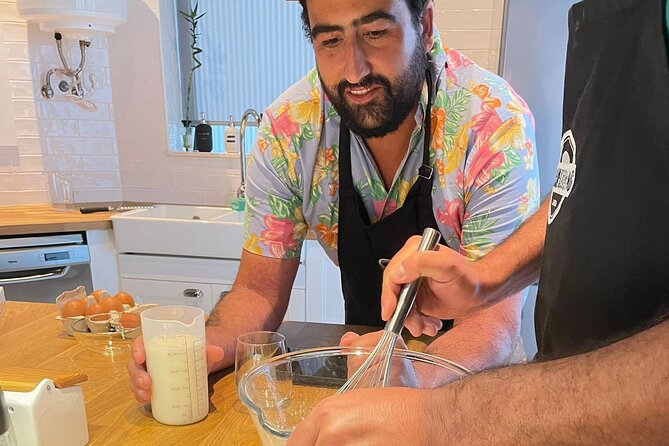
At $102.84 per person for about three hours, this isn’t a cheap snack-and-watch experience. So the question is value: what do you get for that price?
You get four things that together justify the cost.
First, you get hands-on cooking time for multiple dishes. You’re not paying for entertainment only, you’re paying for instruction plus ingredients plus the work of preparing a full meal.
Second, you get drinks included, including Portuguese wines and beers, plus finger foods during cooking. That alone can be a real part of the value if you plan to drink anyway.
Third, the class includes baked pastel de nata plus other traditional Portuguese dishes. Desserts are often where cooking classes skimp on technique, and here you get a classic that’s worth learning because it’s genuinely Lisbon.
Fourth, the group size keeps the experience personal. Paying a little more for a small-group class is often the difference between learning and just participating.
If you’re the type of traveler who buys souvenirs, this is a better use of money. You’re leaving with recipes you can use at home and with the satisfaction of making Portuguese food that you can actually taste on the spot.
Who this cooking class suits best
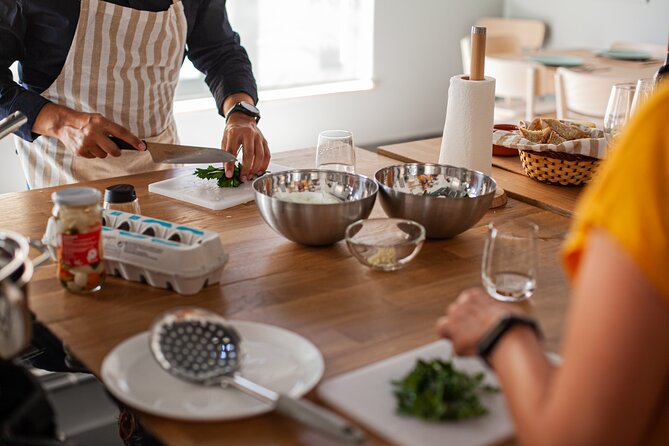
This is a strong fit if you want a social meal and hands-on skills at the same time.
It works well for:
- Couples who want a shared activity that isn’t a tour bus stop
- Solo travelers who want an easy way to meet people during dinner
- Families, since the class has been described as child-friendly by people who traveled with kids around ages 10 and 12
- Food lovers who want traditional Portuguese dishes, including codfish and the must-do pastel de nata
It may be less ideal if you:
- Prefer a private chef style experience with total control and zero group noise
- Want a quick bite instead of a full cooking-and-eating session
Booking advice: should you book it or skip it?
If you’re in Lisbon and you care about food, I’d book this class. It’s one of those activities where the result is immediate. You cook, you eat, and you leave with a clearer sense of what Portuguese cooking is actually like: practical, hearty, and deeply flavored.
You should especially consider booking if you want:
- A full four-course meal without planning or shopping
- Pastel de Nata baking done in a beginner-friendly way
- Drinks included, in a format that still works for non-drinkers
- A small group with enough attention to learn rather than just stand around
The only reason I’d hesitate is if you have a schedule that can’t absorb a full three hours, or if you hate any shared, family-style setup. Otherwise, this is a solid value choice, and it’s one of the easiest ways to add something memorable to your Lisbon days.
FAQ
How long is the Traditional Portuguese Cooking Class in Lisbon?
It lasts about 3 hours.
What is the group size limit?
The class has a maximum of 10 travelers.
Is the class offered in English?
Yes, it is offered in English.
What food and drinks are included?
You’ll have finger foods and beverages while you cook, and Portuguese wines and beers are included, plus other non-alcoholic beverages.
Does the class serve alcohol to everyone?
Alcoholic beverages won’t be served to participants under 18. Water, juices, or tea are available instead.
What dishes will I make?
You’ll make a 4-course traditional Portuguese meal with dishes chosen from seasonal menus. The sample menu includes options like caldo-verde, pica-pau, amêijoa à Bulhão Pato, bacalhau à Brás, pataniscas de bacalhau, carne de porco com amêijoas, migas com entrecosto, pastel de nata, arroz doce, and torta de laranja.
Will I bake Pastel de Nata?
Yes. You’ll prepare and bake Pastel de Nata. The puff pastry is pre-prepared.
Where does the class start and end?
The meeting point is R. Aliança Operária 54, 1300-049 Lisboa, Portugal, and the activity ends back at the meeting point.
What is the cancellation policy?
You can cancel for a full refund up to 24 hours in advance of the experience start time.
What happens if the weather is poor or the minimum travelers isn’t met?
If the experience is canceled due to poor weather, you’ll be offered a different date or a full refund. If it’s canceled because the minimum number of travelers isn’t met, you’ll also be offered a different date or a full refund.
Latest reviews from Lisbon
- Private Tour: Sintra, Cabo da Roca and Cascais Day Trip from Lisbon★ 5.0 · 225 reviews
- Lisbon: Food Tasting Tour by Tuk Tuk with 2 Stops★ 4.8 · 226 reviews
- Berlenga Island Small-Group Day Trip from Lisbon★ 4.5 · 227 reviews
- Sintra Deluxe from Lisbon with Pena Palace ticket★ 4.0 · 228 reviews
- Fátima, Nazaré, Óbidos and S. Martinho do Porto Small-Group Tour from Lisbon★ 5.0 · 229 reviews
- Évora and Monsaraz with Regional Wine Tasting from Lisbon★ 4.5 · 229 reviews
- Expert Plus Lisbon Tour with Local Guide in Private Eco Tuk Tuk★ 5.0 · 230 reviews
- Historic Walking Tour Through Lisbon’s Oldest Neighborhood★ 5.0 · 233 reviews
Cooking Classes, compared.

Pastel de Nata Cooking Class with Grandma’s Recipe
Read our review →
Pastel de Nata Cooking Class with Port Wine – Sé
Read our review →


Lisbon Portuguese Cooking Class with 3-Course Dinner
Read our review →
Pastel de Nata Cooking Class with Porto Wine (Sé do Porto)
Read our review →Browse the lists this tour appears in