
Reviewed · PASTEL DE NATA WORKSHOPS
Lisbon: Pastel de Nata Baking Class
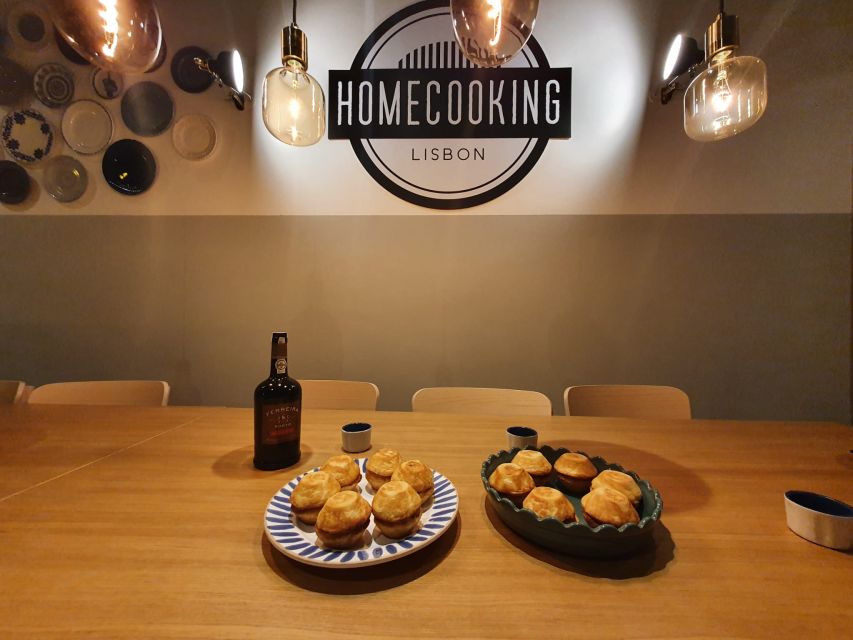
Pastéis de nata are everywhere in Lisbon, but this class is the part that makes the pastry make sense. It is a hands-on, step-by-step baking session at the Homecooking Lisbon HUB, where you work the dough, smell it turning in the oven, and then eat what you made. I like that the chefs keep it practical, clear, and hands-on, and I also like the way the drinks add a real taste of Portuguese culture during the session, from Porto wine to ginginha.
Two things I love most: you get genuine baking guidance from friendly instructors like Marta, Beatrice, and Miyuki, and you finish with warm, crisp-edged tarts you can share (or save for later). One drawback to consider is logistics. The meeting spot is not right in the middle of central Lisbon, so you will likely want to use a taxi or bus to get there easily.
Key things to know before you go
- Hands-on from dough to oven, with an instructor close by to keep you on track
- Clear technique focus, including shaping and filling so your tarts bake up correctly
- Drinks built into the experience, including coffee, homemade juice, Porto wine, water, and a ginginha tasting
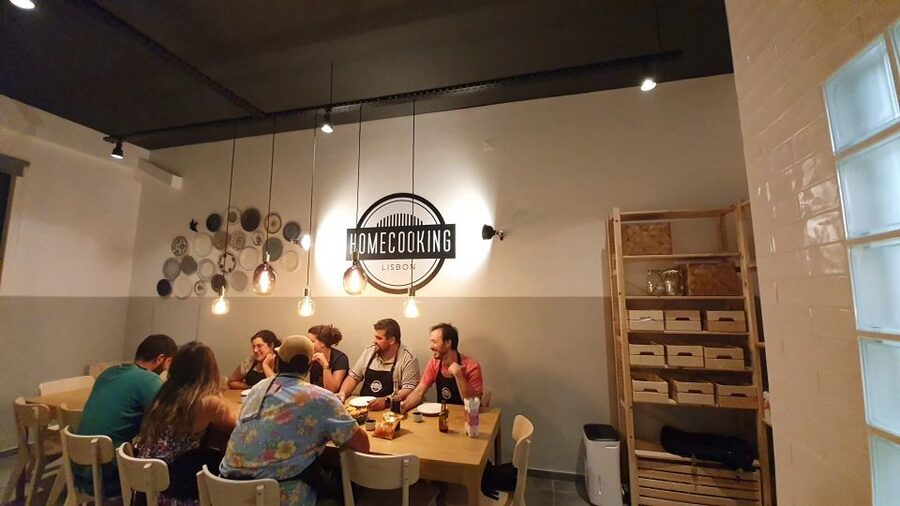
- Small groups for better attention, with many sessions feeling like around a dozen people
- Portuguese culture lessons along the way, from what pastéis de nata are to why they matter in Lisbon
Lisbon Pastel de Nata Baking Class: what you are really buying
At about $64 per person for 2 hours, you are not paying mainly for a dessert you eat. You are paying for the labor and guidance: someone else shows you the steps, the kitchen is set up for baking, and you get a batch of fresh pastéis de nata as your end product. If you have ever watched a pastry video and thought, Sure, but will I mess it up in real life, this kind of class is the antidote.
The value shows up in three practical ways. First, you work with ingredients and tools that are already staged and measured where it helps, so you are not stuck doing guesswork. Second, the instructors keep the process approachable even if you are not a frequent baker, with lots of patient coaching. Third, you get cultural context and tasting built in, so it feels more like a local activity than a one-off food stop.
One more small detail that matters: the class includes insurance, which is a nice peace-of-mind touch when you are handling hot ovens and working in a kitchen.
More Cooking Classes in Lisbon
- Lisbon: Traditional Portuguese Cooking Class
★ 4.9 · 592 reviews - Lisbon: 2-Hour Pastel de Nata Cooking Class
★ 4.8 · 461 reviews - Lisbon Portuguese Cooking Class with 3-Course Dinner
★ 5.0 · 445 reviews
Arriving at Homecooking Lisbon HUB and getting set up
Your class meets at the Homecooking Lisbon HUB. This is the kind of location where you can show up, get into a kitchen rhythm quickly, and start baking without waiting around.
A recurring theme from the experience is how organized the space feels. Many people note that the kitchen is clean, modern, and well prepared. That matters because pastéis de nata rely on multiple steps and timing, and a tidy workflow reduces stress. I also like that the session is in English, so you do not have to hunt for translation while you are trying to fold, fill, and bake.
Logistics consideration: this HUB is not described as being right next to central sights. If you are basing yourself in the most tourist-dense areas, build in a little extra travel time. A taxi tends to be an easy option, and the class setup is flexible enough that you are not punished for arriving a few minutes after planning to.
The hands-on pastry work: dough feel, shaping, and why the steps matter
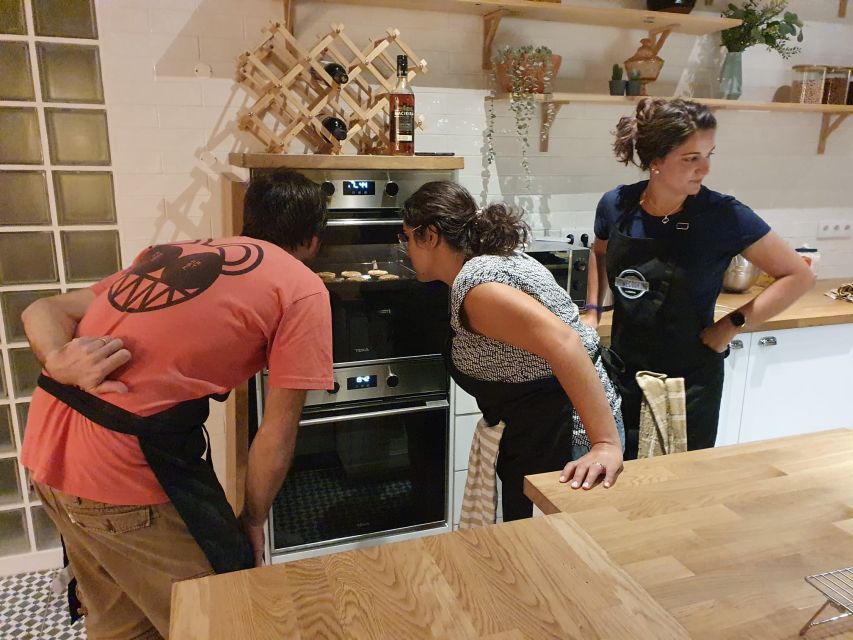
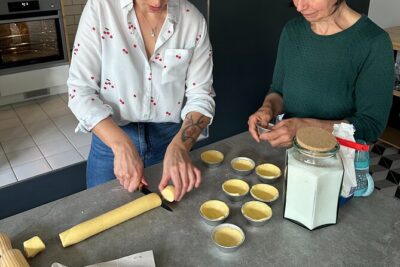
This is not a lecture where you watch someone else do the hard part. You will make a batch yourself, guided from start to finish, and that is the main reason the class gets such strong marks.
What the dough stage feels like
The class is built around the sensory parts of baking: you handle the dough, feel its texture between your fingers, and then watch the process move toward filling and baking. The kitchen team walks you through each step so you understand what you are aiming for, not just what to do.
You also get a mix of prep and hands-on work. In many classes like this, some ingredients are prepared in advance. That helps you focus on the technique you actually need to learn, like shaping and working the dough so it bakes into that signature pastry layer.
More pastel de nata baking:
- Pastel de Nata Masterclass at a Real Bakery in Downtown Lisbon
★ 5.0 · 491 reviews - Pastel de Nata Pastry Class: Bake and Enjoy Your Own Treats
★ 5.0 · 485 reviews - Pasteis de Nata Baking Class from Lisbon
★ 5.0 · 248 reviews - Porto: Pastel de Nata Cooking Class with Grandma’s Recipe
★ 5.0 · 1,565 reviews
Why shaping is the make-or-break moment
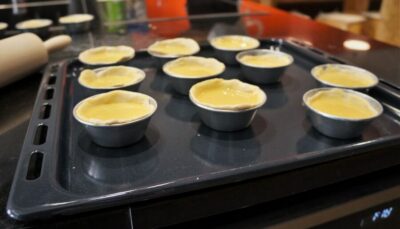
Pastéis de nata are all about structure. If the pastry is shaped well, the custard sets into a creamy center while the edges bake into a crisp, caramelized rim. You will be coached through the practical parts of lining and filling the pastry so you can get results that look like what you see in Lisbon cafés.
Instructors such as Marta, Beatrice, Miyuki, and Miguel are repeatedly praised for being patient and hands-on. That style matters. If you have never worked with pastry, you need someone near you to correct small mistakes before they compound.
Custard filling and the classic Portuguese flavor profile
Once the pastry is ready, you move into custard. This is where the experience becomes unmistakably Portuguese. You are building the texture that makes pastéis de nata famous: creamy but set, with sweetness balanced enough to work with coffee and liqueurs.
The class includes all ingredients and cooking utensils, so you are not hunting for specialty supplies. You also get guidance on the process so you can replicate it at home with fewer surprises.
One thing that stands out in people’s comments is that the pace feels “hands on” without feeling chaotic. That is exactly what you want for custard work, because it is easy to rush and end up with a less-than-ideal set.
Baking time: the smell, the oven moment, and checking your results
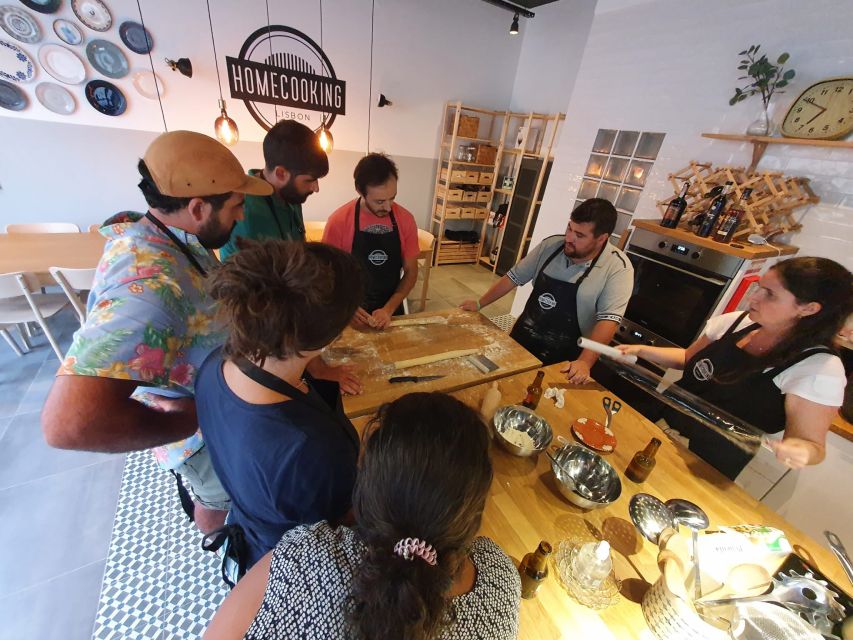
When your pastéis hit the oven, you get that real baking payoff. People point to the aroma as a major part of the experience, and you can expect the session to guide you through what is happening as the tarts bake.
This is also where group size helps. Many comments mention a group around 12 people, which is large enough to feel social but small enough that an instructor can notice when someone needs help. If you are baking solo, this matters. You get to participate fully, and if you need reassurance, someone is there.
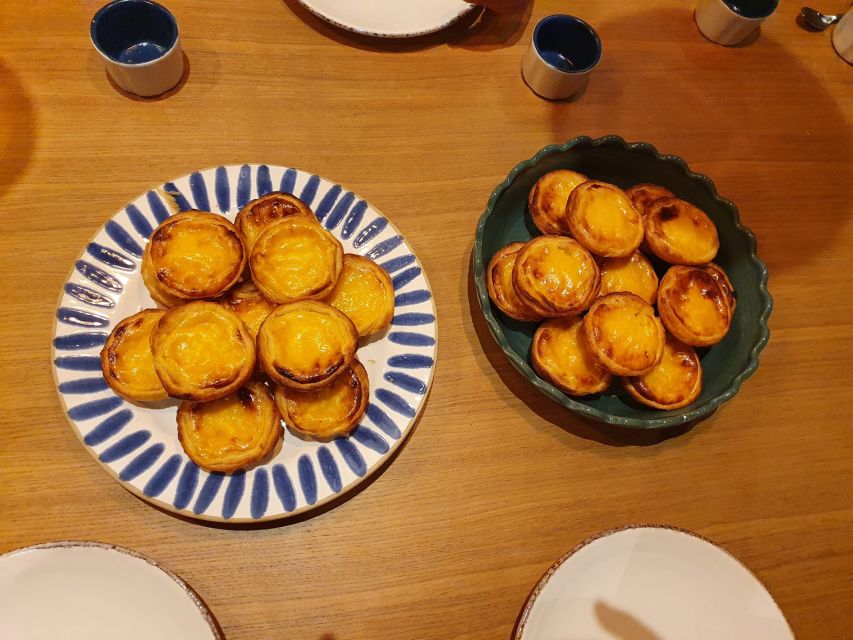
You typically finish with your own homemade pastéis de nata. Some people mention you can take tarts home, and that is a big plus if you want to compare your results later, once the first hot batch cools slightly.
Drinks and tasting: Porto, coffee, homemade juice, and ginginha
Food classes feel better when they stop being strictly practical and turn into a small celebration. This one builds in drinks so you can taste alongside your baking progress.
Included drinks list:
- Homemade juice
- Coffee
- Water
- Porto wine
- Ginginha tasting
What I like about this pairing approach is that it supports the flavor story. Coffee complements the custard sweetness. Porto wine can add a richer, slightly fortified warmth. And ginginha, the cherry liqueur, brings a distinctly Portuguese edge.
Ginginha tasting is especially memorable because it is not usually part of standard baking classes. It makes the experience feel like you are learning Lisbon through food habits, not just recipe steps.
If you are a non-drinker, you can still enjoy the coffee, juice, and water while the group samples the rest. The class format is set up for everyone to be included.
Getting the cultural context without turning it into a lecture
One reason the instructor gets so much praise is that the class does more than teach technique. People mention history and meaning, not as trivia, but as context that helps you understand why pastéis de nata are such a big deal in Portugal.
You might hear about where the pastry fits into Portuguese baking culture, and what makes the method traditional. This sort of explanation matters because it gives you a reason to care about small steps, like how the dough is handled or how the custard is prepared.
In short, you leave with a story you can tell at home, not just a dessert you forgot how you made.
Who this class is best for, and who should skip it
This works well if you are:
- Visiting Lisbon and want a hands-on food activity, not only a tasting
- Curious about Portuguese baking and want to learn technique
- Traveling as a couple, with friends, or even solo, since group sizes stay small and instructors keep things moving
- Interested in meeting people while doing something practical, since the room naturally turns social during teamwork
It may not be the best fit if you:
- Need an activity that is suited to mobility impairments. This class is listed as not suitable for people with mobility impairments.
- Are traveling with kids under 6. It is not suitable for children under 6.
- Expect a long, slow pastry day. The format is 2 hours, so you are moving steadily from setup to baking to tasting.
Practical tips to make your pastéis turn out better
Even without extra supplies from your side, there are a few habits that make these classes go smoothly.
- Pay attention during the dough and shaping steps. That is where you get the biggest payoff, since it affects how the final pastry bakes.
- Ask questions right away. Instructors are repeatedly described as patient and attentive, so use that advantage early.
- Plan your transport to the HUB. Since the location is not in the heart of central Lisbon, think about taxi or bus timing so you start on time.
- Taste and compare while warm. Pastéis de nata are at their best fresh from the oven, and the class setting is built for that moment.
If you are the type who wants to recreate the pastry at home, you will likely appreciate that the process emphasizes traditional method and structure, not just a shortcut.
The price check: is $64 worth it?
For many people, $64 is the question. Here is how I would think about it.
You are paying for:
- A two-hour guided cooking session with instructors or chefs
- All ingredients and utensils
- Multiple included drinks, including Porto wine and a ginginha tasting
- The outcome: your own batch of homemade pastéis de nata
If you were to buy ingredients and equipment yourself, you would still need the time, technique, and guidance that makes the pastry workable. Plus, you get the tasting and cultural side that turns the experience into an activity, not a takeout purchase.
If you love Lisbon food culture and enjoy learning by doing, the price feels fair because you are getting both the skill and the reward.
Should you book the Lisbon Pastel de Nata class?
If you want a Lisbon experience that is hands-on, social in a low-pressure way, and ends with a real, warm payoff you made yourself, I say book it. The consistent praise for instructors like Marta, Beatrice, and Miyuki points to a class style that is patient, practical, and friendly, and that is exactly what you want for pastry work.
Just plan around the one big consideration: getting to the meeting spot. If you are not staying near central Lisbon, you may want to arrange transport so you do not arrive flustered.
If you match those conditions, this is a strong value choice for learning why pastéis de nata are such a Lisbon signature, and for taking home a dessert story you can actually recreate.
FAQ
How long is the Pastel de Nata baking class?
The class runs for 2 hours. You can check available starting times when you reserve.
What is included in the price?
The experience includes all ingredients, cooking utensils, instructors or chefs, and drinks. The listed drinks are homemade juice, coffee, water, Porto wine, and a ginginha tasting. Insurance is also included.
Is hotel pickup and drop-off included?
No. Hotel pickup and drop-off are not included.
What language is the class taught in?
The instruction is in English.
Is the class suitable for young children or for mobility needs?
It is not suitable for children under 6 years and it is also not suitable for people with mobility impairments.
What is the cancellation policy?
You can cancel up to 24 hours in advance for a full refund.
Latest reviews from Lisbon
- Private Tour: Sintra, Cabo da Roca and Cascais Day Trip from Lisbon★ 5.0 · 225 reviews
- Lisbon: Food Tasting Tour by Tuk Tuk with 2 Stops★ 4.8 · 226 reviews
- Berlenga Island Small-Group Day Trip from Lisbon★ 4.5 · 227 reviews
- Sintra Deluxe from Lisbon with Pena Palace ticket★ 4.0 · 228 reviews
- Fátima, Nazaré, Óbidos and S. Martinho do Porto Small-Group Tour from Lisbon★ 5.0 · 229 reviews
- Évora and Monsaraz with Regional Wine Tasting from Lisbon★ 4.5 · 229 reviews
- Expert Plus Lisbon Tour with Local Guide in Private Eco Tuk Tuk★ 5.0 · 230 reviews
- Historic Walking Tour Through Lisbon’s Oldest Neighborhood★ 5.0 · 233 reviews
Pastel de Nata Workshops, compared.
Pastel de Nata Cooking Class with Grandma’s Recipe
Read our review →
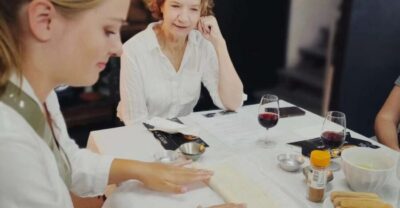
Pastel de Nata Cooking Class with Port Wine – Sé
Read our review →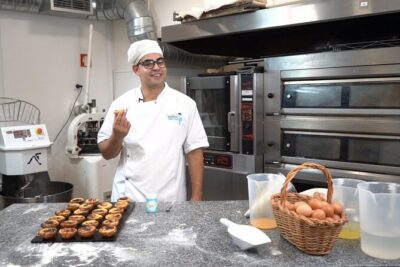
Pastel de Nata Masterclass at a Real Bakery in Downtown Lisbon
Read our review →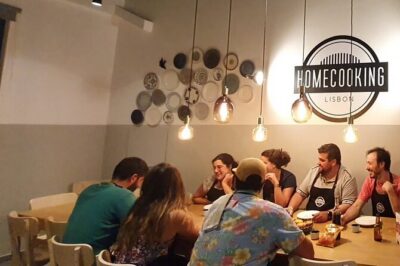
Pastel de Nata Pastry Class: Bake and Enjoy Your Own Treats
Read our review →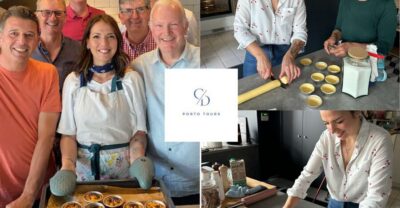
Pastel de Nata | Workshop from scratch | Porto’s city center
Read our review →Browse the lists this tour appears in