Reviewed · LISBON TOURS
Lisbon Awakens: A Culinary Crossroads, Reborn.
Lisbon Awakens is interesting because it uses Lisbon landmarks as the starting point, then lets food do the explaining. You’ll connect convent baking, spice history, and neighborhood markets, all in one 5.5-hour walking loop.
I love the small group size (max 7), which keeps the day personal instead of herding people. I also love that you leave with a “whole meal” feeling, not a few token bites, thanks to the number of stops and samples. The only real drawback to plan for is the food pace, so if you show up too full, you will feel rushed instead of delighted.
Key Reasons This Tour Feels Like Lisbon, Not Like a Checklist

- Max 7 people keeps it personal, so you can ask questions and get answers that fit your pace
- Enough bites to add up to a generous meal, not just sightseeing with snacks
- Off-the-tourist-track neighborhood stops, like Campo de Ourique’s market scene
- Food tied to Portugal’s wider story, including spice and colonial trade influences
- Iconic pastry moments plus actual local settings, from church-adjacent sweets to market stalls
- Guides with storytelling skills, including Kika, Ines, and Gisela in the guide roster you’ll likely hear about
Why This Lisbon Food Walk Hits Different
Lisbon can be loud in the best way, but food tours can become repetitive fast. This one avoids that by building the day around places you would not automatically pair together: a basilica setting, a local market neighborhood, a tile-filled garden, and a gothic church in an artistic writers’ area.
What makes it work is the structure. Each stop tees up a food theme, then your guide makes the connection between what you taste and why Lisbon developed those flavors. It is not just, here’s a pastry, smile for a photo. It’s more like a guided conversation, with bites as the punctuation.
And yes, you’re walking. The good news is that the route is described as an easy walk by people who also worry about knees. Still, wear comfortable shoes. Lisbon streets can be uneven, even when the day is “easy.”
More time in Lisbon:
- Lisbon City Center Tour – The Unmissable Lisbon
★ 5.0 · 22,234 reviews - Lisbon: Sintra, Pena, Regaleira, Cabo da Roca & Cascais
★ 4.7 · 19,656 reviews - Lisbon Card: 24, 48, or 72-Hour Pass
★ 4.5 · 17,944 reviews
The 5.5 Hour Loop You’ll Actually Enjoy Walking
The tour runs about 5 hours 30 minutes and ends back at the start. You begin at Jardim da Estrela, Praça da Estrela, 1200-667 Lisboa. It is designed around short, digestible segments, so you can taste, sit briefly when appropriate, and keep moving without turning it into a full-day marathon.
This matters because Lisbon has hills and cobblestones, and your comfort affects your appetite. The tour is close to public transportation, so getting there is straightforward, even if you are staying outside the central core.
Small group size also changes the vibe. When there are only up to 7 people, your guide can slow down for questions and dietary needs. That’s a big deal on a food day, since everyone’s “I can handle it” level varies.
Stop 1 at Basilica da Estrela: Pastries and Spice With Convent and Church Roots
Your first major stop is Basilica da Estrela. The payoff here is the way the guide connects religious history with what ends up on your plate. Lisbon pastries are not random. Many tie back to older convent traditions, with ingredients and techniques that traveled through Portugal over time.
You’ll get a start that feels both historical and practical: pastries and spices, plus the idea that the city’s churches are also part of how Lisbon learned to preserve, flavor, and bake. This is where the tour’s theme clicks. From here on, tasting becomes a map.
A realistic expectation: this is not a long museum-style visit. It’s more of a setting for your guide to set context, then transition quickly into the food story. If you like learning without sitting through speeches, this opening works.
Mercado de Campo de Ourique: Where Market Snacks Feel Local

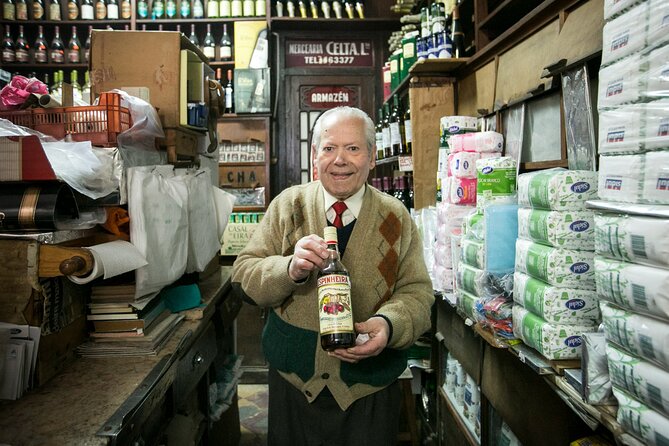
Next up is Mercado de Campo de Ourique. This is the “neighborhood food” stop. Campo de Ourique is known for traditional food shops, and the market gives you a tighter, lived-in feel than the big, tourist-heavy markets.
Here’s what to look for in the experience. Your guide is likely to guide you through multiple stalls and show how locals shop and snack. In the best moments, you’re not just buying food. You’re seeing how people move through a place, what they consider normal, and how Portuguese flavors show up in everyday eating.
This is also a good chance to ask questions about ingredients or regional differences, because the guide can explain why certain tastes show up in Lisbon and how Portugal’s global contacts influenced what’s on offer today.
Another Lisbon day, differently spent:
- Lisbon: Jerónimos Monastery Entrance Ticket
★ 4.1 · 14,164 reviews - Lisbon: History, Stories and Lifestyle Walking Tour
★ 4.8 · 10,902 reviews - Lisbon: Sunset Boat Party Cruise with DJ and Open Bar
★ 4.5 · 10,378 reviews - Lisbon: Sintra, Pena, Regaleira, Cabo da Roca, and Cascais
★ 4.7 · 10,147 reviews
Jardim da Parada: Custard Tarts, 19th Century Tiles, and a Breather

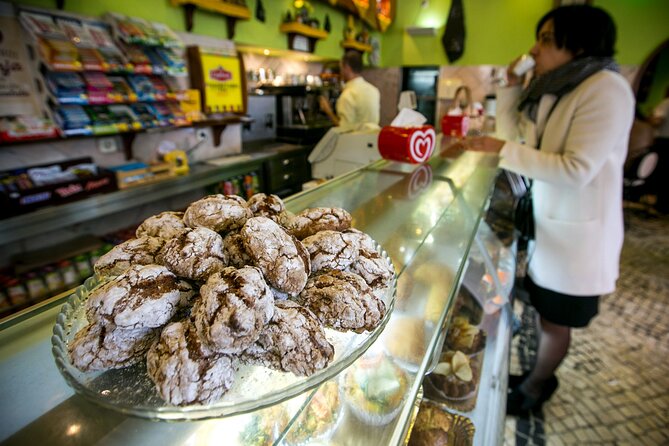
Then you shift into Jardim da Parada, where the day turns sweet. This is where you’ll taste some of the best custard tarts in the city.
Custard tarts in Lisbon are a whole world of their own. The tour’s value here is the framing. You’re tasting something iconic, but the guide is also pointing out how flavors and techniques developed in Portugal. That turns a dessert stop into a “why this tastes like Lisbon” moment.
You’ll also enjoy the setting: 19th century tiles and a garden atmosphere with trees. This stop is a nice contrast from the more market-heavy energy. It also gives you a chance to slow down and reset so you can keep pace with the rest of the tastings.
Igreja do Santo Condestável: Gothic Style in an Artist and Writer Neighborhood
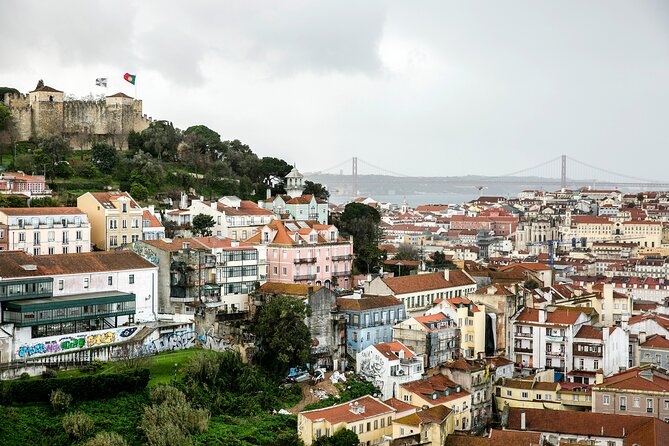
Your final stop is Igreja do Santo Condestável, described as a new gothic church. This part of the day is shorter, but it completes the puzzle. You’ve had the convent and church link, the market link, and now you get a different kind of church context.
Your guide may connect the neighborhood feel to the foods of Lisbon today, including the idea that Lisbon’s identity is always in motion. One review described this area as tied to artists and writers, and that’s exactly the kind of “Lisbon between the postcards” feeling this last stop helps cement.
Think of this as the wrap-up moment. You’re not just leaving with food. You’re leaving with a sense of Lisbon’s layers.
What You’ll Eat and Drink, and Why Breakfast Is the Enemy
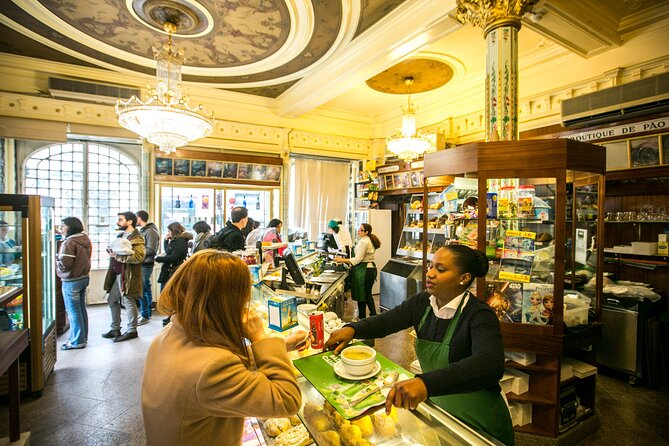
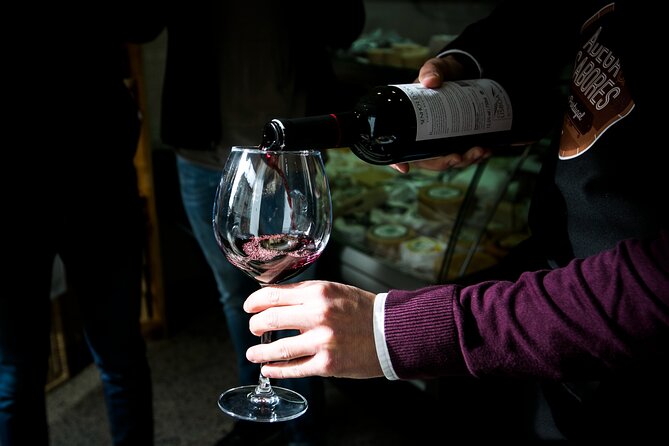
The big selling point is that you’ll taste enough bites and samples to add up to a generous meal. People also mention you’ll get a mix of sweet and savory, plus coffee and drinks like wine and spirits.
That matters because you are not paying mainly for ingredients. You’re paying for guidance, pacing, and access to a route where the tastings make sense. When it works, you stop asking what you should order for lunch. The tour basically hands you a plan.
Here’s the practical tip that comes up again and again in real-world experiences: don’t eat a big breakfast beforehand. The day is designed around multiple stops. If you start full, you’ll waste the best parts because you’ll be too full to enjoy them properly. I’d treat breakfast as light, or skip it entirely.
If you have dietary restrictions, plan to send them in advance. The tour explicitly asks for allergies or dietary restrictions. And with a group size capped at 7, there’s more chance the guide can help manage the day smoothly.
How Guides Like Kika, Ines, and Gisela Make the Food Story Make Sense
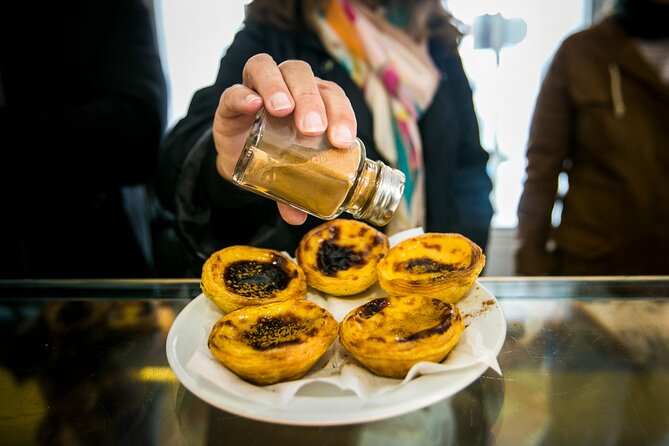
The strongest part of this experience, judging by how people describe it, is the storytelling. Several guides are singled out for connecting food to Portugal’s broader story and making it feel personal.
- Kika gets praise for being a former teacher and for explaining history in a way that feels clear and fun, not heavy.
- Ines is described as native to Lisboa with deep local insight, including an ability to connect the food you taste to Portugal’s past and present influence.
- Gisela earns nods for warmth and for answering questions while still keeping the day moving.
What you want from a food guide like this is not just facts. You want connections. And that’s what the best guides do here: they connect pastries, spices, and Portuguese flavors to trade routes, exploration, and how global influences became part of everyday Lisbon eating.
This is also why the tour works well for first-timers. You get a mental framework for what Lisbon tastes like. Then, when you eat on your own later, you understand what you’re tasting instead of guessing.
Price and Value: Is $150 Worth It?
At $150 per person for about 5 hours 30 minutes, you might wonder if this is just a snack tour in a nicer package. The value argument is mostly about three things: group size, the number of stops, and the fact that you are tasting enough to feel like a meal.
With a maximum of 7 travelers, you’re paying for a personalized route, not a crowded production. The stops are free in terms of admission ticket needs for the listed sights, and your money is going to the tastings and guide work rather than entrance fees.
Also, the “enough food for a meal” factor is key. If you were trying to recreate this on your own, you’d spend time figuring out where to go, what to order, and how to pace it so you can try multiple specialties without wasting them. This tour does the planning for you, and it does it while walking between neighborhood settings that feel authentic.
If you love food and history, $150 is easier to justify. If you only want one quick snack and don’t care about context, a cheaper casual tasting option might fit better.
Best Use of Your Time in Lisbon
I think this tour is strongest early in your trip, because it changes how you read the city’s food scene. People often describe it as a great first-day Portugal move. Even if you do it later, it still helps you spot patterns: where pastries come from, why spices taste a certain way, and how Lisbon’s neighborhoods shaped what ended up on menus.
It also sets you up for smarter ordering. After a day like this, you’re less likely to waste time hunting for “the most famous thing” and more likely to notice regional flavors and local styles.
Practical Tips to Make the Day Go Smoothly
- Skip heavy breakfast. Go in ready to taste.
- Wear comfortable shoes. You’re walking, and Lisbon streets are not smooth everywhere.
- Bring a phone for the mobile ticket. It’s part of the experience.
- Share allergies or dietary restrictions in advance. The tour asks you to.
- Keep room in your day. If you plan a big dinner right after, you might not want it.
Because it’s a food-focused walking tour, your best “success” metric is simple: you should feel satisfied by the end, not stuffed.
Who Should Book Lisbon Awakens
This fits best if you:
- Want food plus history tied together in a way you can actually use while eating later
- Prefer small groups and a guide who can answer questions without rushing you
- Enjoy markets and neighborhood settings more than big-ticket tourist landmarks
- Like learning about how Portugal’s global connections shaped tastes, spices, and everyday cuisine
It may be less ideal if you:
- Hate walking and want a mostly seated experience
- Only want a quick bite and are not interested in cultural context
- Have very strict dietary needs and want maximum menu control, since you’re still tasting across multiple small places
Should You Book This Tour or Not?
If you’re debating, I’d make the call like this: book it if you want a high-value introduction to Lisbon through food, with enough tastings to feel like you ate a real meal and enough stories to make the city stick in your head.
Skip it if you’re not interested in tasting variety. This tour is built around food flow, sweet to savory, and multiple stops. If that’s not your thing, you’ll likely feel it as “too much.”
For most people who like Lisbon and want a smarter way to eat, this is an easy yes.
FAQ
How long is Lisbon Awakens, A Culinary Crossroads, Reborn?
The tour lasts about 5 hours 30 minutes.
Where does the tour start and end?
It starts at Jardim da Estrela, Praça da Estrela, 1200-667 Lisboa, Portugal, and ends back at the meeting point.
What group size should I expect?
The tour has a maximum of 7 travelers.
Is the tour offered in English?
Yes, it is offered in English.
Are admission tickets required for the stops?
The stops listed include admission ticket free options.
What if weather is bad?
This experience requires good weather. If it is canceled due to poor weather, you will be offered a different date or a full refund.
Latest reviews from Lisbon
- Private Tour: Sintra, Cabo da Roca and Cascais Day Trip from Lisbon★ 5.0 · 225 reviews
- Lisbon: Food Tasting Tour by Tuk Tuk with 2 Stops★ 4.8 · 226 reviews
- Berlenga Island Small-Group Day Trip from Lisbon★ 4.5 · 227 reviews
- Sintra Deluxe from Lisbon with Pena Palace ticket★ 4.0 · 228 reviews
- Fátima, Nazaré, Óbidos and S. Martinho do Porto Small-Group Tour from Lisbon★ 5.0 · 229 reviews
- Évora and Monsaraz with Regional Wine Tasting from Lisbon★ 4.5 · 229 reviews
- Expert Plus Lisbon Tour with Local Guide in Private Eco Tuk Tuk★ 5.0 · 230 reviews
- Magical Day Trip: Pena Palace, Sintra, CaboDa Roca & Cascais★ 5.0 · 232 reviews
Lisbon Tours, compared.

Lisbon City Center Tour – The Unmissable Lisbon
Read our review →
Sintra, Pena, Regaleira, Cabo da Roca & Cascais
Read our review →


Sunset Boat Party Cruise with DJ and Open Bar
Read our review →
Sintra, Pena, Regaleira, Cabo da Roca, and Cascais
Read our review →