
Reviewed · PASTEL DE NATA WORKSHOPS
Pastel de Nata Pastry Class: Bake and Enjoy Your Own Treats
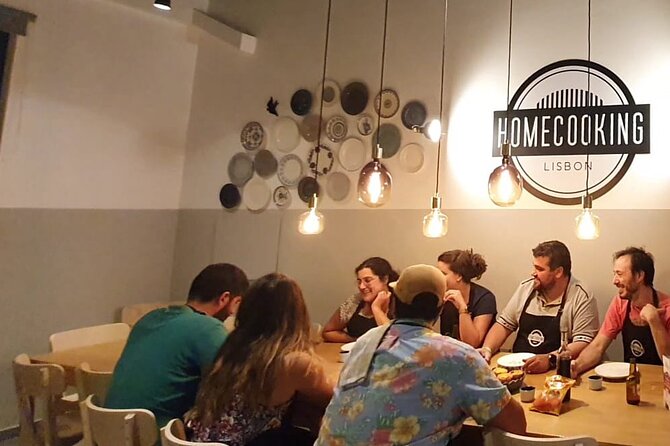
Lisbon has a lot of food tours that end in a tasting. This one is different. You get hands-on with the real deal, pastel de nata, so the payoff is something warm in your own hands.
I really like two things here. First, the class is step-by-step and practical, with instructors circulating to fix small issues as you roll and fill. Second, you get the full drink-and-snack setup while you bake, including coffee, tea, and a Porto wine tasting at the end. If you hate waiting, there is a small pause while your batch bakes.
Key things you will like about this Pastel de Nata class
- Small group feel: up to 16 people, so you actually work at your station
- From scratch, not from a kit: puff pastry and filling are included, and you make it yourself
- Coffee and Porto wine at the finish: beverages are part of the experience, not an extra cost
- English instruction: the class is offered in English
- Clear feedback while you bake: instructors are repeatedly praised for patience and hands-on help
- Hot, fresh tasting right away: the best part happens at the end, when the tarts come out of the oven
Why this Pastel de Nata class is such a fun Lisbon food experience
Pastel de nata is the Portuguese pastry that almost feels like a souvenir in food form. You can find it all over Lisbon, sure. But tasting one is not the same as learning why it works.
What makes this class appealing is the combo of cooking and context. You are not just mixing and rolling. You also hear the pastry story and what makes a proper pastel de nata different from a generic custard tart. Then you get to eat what you made, freshly baked, in the classic way: coffee or tea on the side, and a Porto wine tasting to round it out.
I also like that the experience leans friendly and practical. The instructors you might meet in different sessions, like Beatriz, Pedro, Rita, and Miguel, show up as patient teachers who give clear guidance. That matters, because this is hands-on baking. If you have never baked before, you still have a real shot at turning out a good tart.
One thing to consider: the tarts come out piping hot. So if you are the type who needs food to cool down for at least five minutes, plan to wait a bit and take your burns like an adult.
More pastel de nata baking:
- Lisbon: Pastel de Nata Baking Class
★ 4.9 · 2,106 reviews - Pastel de Nata Masterclass at a Real Bakery in Downtown Lisbon
★ 5.0 · 491 reviews - Lisbon: 2-Hour Pastel de Nata Cooking Class
★ 4.8 · 461 reviews
Meeting at the kitchen: where it starts and how to get there
The class meets at R. Aliança Operária 54, 1300-049 Lisboa. That address is useful because it anchors your day. No wandering around with a vague meeting point.
The location is also near public transportation, so you do not have to fight Lisbon traffic or rely on a taxi. Some reviews mention it is in a convenient part of the city, between Belem and Baixa, and near places like LX Factory and a bus stop. In other words, you can pair this with a walk through central Lisbon without feeling like you are crossing the city twice.
Timing-wise, the session runs about 2 hours. That is short enough to fit into most itineraries, but long enough to get past the awkward early stage where everyone is nervous about pastry.
You will also get a mobile ticket, which keeps things simple the day of. Just have your phone ready at check-in.
The small-group setup that makes you part of the action
This experience caps at 16 travelers, which is a big deal for a cooking class. When the group stays small, instructors can actually watch your technique and help you before you bake in a mistake.
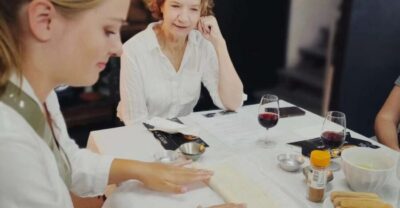
In class, you work at stations. Many people end up working in pairs or small clusters, and you spend time both baking and chatting while the oven does its job. That social part is not an afterthought. It is part of the pacing, and it helps the whole thing feel like an evening you are sharing, not a factory line.
The vibe is also beginner-friendly. Multiple people mention it is a great choice if you have no baking skills and want step-by-step coaching. Even kids and tweens can join with adults, as long as the alcohol rules are followed for under-18 participants.
Making pastel de nata from scratch: puff pastry, custard, and real technique
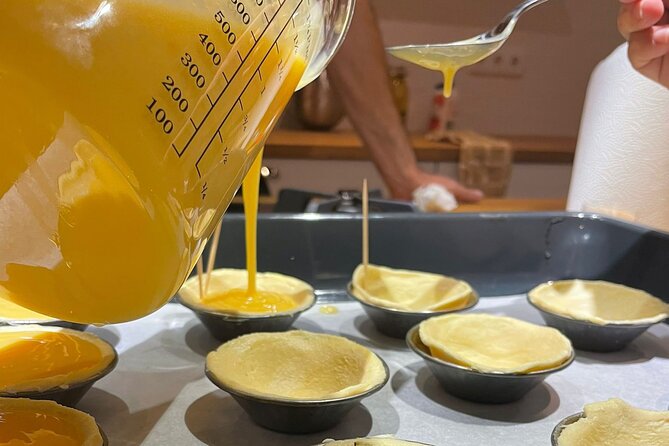
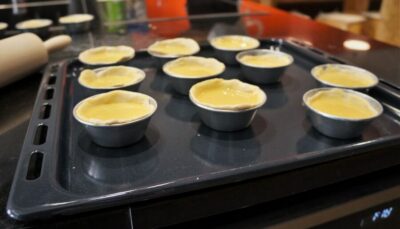
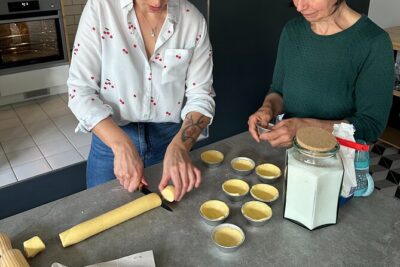
Here is what you actually do: you prepare pastel de nata from scratch, with puff pastry and filling included. That means you are not relying on premade dough. You learn how the pastry gets rolled and assembled, then you fill the tart shells with custard.
The instruction is broken into phases. That matters because pastel de nata has multiple steps that each affect the final result, like thickness and how the custard behaves during baking. The instructors provide step-by-step guidance, and they circulate during the hands-on time. In practice, that translates to quick fixes like adjusting how you roll or how you handle the pastry so it bakes the way it should.
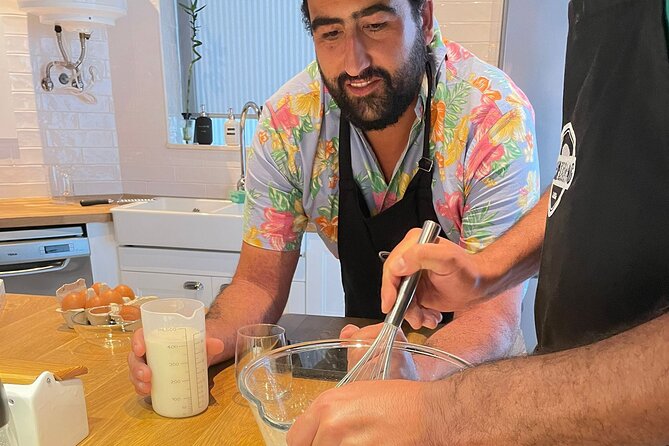
I love that you are not stuck standing and watching. This is the kind of class where you get your hands busy, and you get guidance while you work. People repeatedly highlight how helpful the feedback is, especially when it comes to rolling out the pastry correctly.
Also, tools and the kitchen environment are part of the experience. The space is repeatedly described as clean and comfortable, with well-equipped setups. That is not “nice to have.” In pastry class, it makes it easier to focus, and it lowers the stress.
More of Lisbon to look at
- Lisbon: Traditional Portuguese Cooking Class
★ 4.9 · 592 reviews - Lisbon Portuguese Cooking Class with 3-Course Dinner
★ 5.0 · 445 reviews - Lisbon: Azulejos’ Design Create Your Own Tile Workshop
★ 4.9 · 420 reviews - Lisbon: Surfing Lesson on Costa de Caparica Beach
★ 5.0 · 322 reviews
The baking timeline: why there is time to mingle
Pastel de nata baking has a built-in waiting period. You do the prep, you fill and assemble, then you let the oven do its work. In many sessions, the active prep work takes about an hour, and then you spend the rest of the class time mingling, sipping, and getting ready for the tasting.
That pacing is actually smart. If the entire two hours were nonstop, the class would feel rushed. The wait gives you time to meet other people, ask questions, and just take in the smell of pastry as the tarts bake.
It also means the instructors can keep the energy positive without constantly rushing around. You can hear the history and pastry tips without feeling like you are being thrown into the next step every five minutes.
The pastel de nata story you will actually remember
Along with the baking, the class includes a history and cultural context piece. You learn about why pastel de nata is so loved in Portugal and what makes it such an icon.
One key thread is the connection to the famous style you hear about from Pastéis de Belém. You are not expected to “beat” that pastry on a technical level at home. But you do get the background that explains why the tart became a standard, and why people argue about the best version.
This history segment is also practical. It gives you language to use later when you order a pastel de nata in Lisbon and want to understand what you are tasting. Even if you just treat it as fun trivia, you end up with a story that makes the pastry feel less like a random snack and more like a crafted local specialty.
Coffee, tea, Porto wine, and snacks: what the drinks add
Food classes live or die by the ending. Here, you get a proper tasting moment: you savor your freshly baked pastel de natas the Portuguese way, with coffee or tea.
Then comes the drink component. The class includes a tasting of Porto wine, and other drinks are part of the included menu too. Some people mention mini beer or almond liqueur as part of the experience, plus juices and water. The important thing for planning is that beverages are included, not an add-on.
There are also clear rules for age. Alcoholic beverages are not served to anyone under 18, and alternatives like water, juices, or tea are available instead.
Bottom line: the drinks make the class feel like a small celebration. And because you are drinking while you bake and wait, it keeps the two hours comfortable, not frantic.
How good are the results, really? What to expect from novices
A lot of classes say beginner-friendly. This one earns that reputation through real support.
Many people mention that even with no experience, the step-by-step instructions are clear, and the instructor checks in during the process. People also call out how patient the teaching is. That shows up in the details: the instructor notices when rolling or assembly is off, then helps correct it before it becomes a baked-in problem.
So if you are worried about ruining pastry, you can relax a little. You are still doing real work, but you are not doing it alone.
One more thing: when your tarts come out, they are hot. People emphasize that the pastries are piping hot, so take your time. Let the custard settle enough to eat without rushing. You will enjoy them more, and you will save yourself from that painful first bite.
Price and value: why $66.51 feels fair for what you get
At about $66.51 per person for roughly 2 hours, this is not the cheapest activity in Lisbon. But it is also not paying just for a snack and a story.
You are paying for:
- an instructor-led, hands-on baking session
- puff pastry and custard filling included
- coffee or tea plus a Porto wine tasting
- snacks, water, and other included drinks
- the small-group size that actually lets you work and get feedback
If you try to DIY pastel de nata at home, the ingredient list and equipment learning curve add up fast. Even if you only treat this as an edible souvenir, the result is stronger than most food stops because you leave with skills and a clear sense of what makes a great tart.
It also fits couples well. It is hands-on but not stressful, and it gives you something shared to do, not just walk around and talk.
Pacing, energy level, and who this class is best for
This is a fun, no-pressure cooking class that suits different groups. It works well for:
- Couples who want a memorable, shared activity that ends with food
- Foodies who want more than tasting and want to learn technique
- First-time bakers because instructions are detailed and feedback is hands-on
- Families with kids who can follow steps, with the alcohol rule handled properly
The vibe can vary by instructor. Some people describe certain chefs as more serious than funny. If you want lots of comedy, you might not get it. But you will get clear coaching and a clean, comfortable kitchen that makes it easier to focus on the baking.
Group size also affects energy. With up to 16 people, you get interaction, but it does not turn into a chaotic classroom.
Tips to plan your day around this baking class
You cannot fully control oven timing, but you can control your own comfort.
Here are practical things to do before you go:
- Come hungry. You are making and tasting pastel de natas, not just sampling bite-size pieces.
- Expect heat at the end. Plan for piping-hot pastries, especially if you have a tendency to rush bites.
- Wear something you can move in. You will be working with pastry, rolling, and filling, so comfort matters.
- Use public transport if that is your style. The meeting point is described as near transport, which helps on Lisbon walking days.
If you are planning other activities the same day, this is also a good “anchor stop.” Two hours lets you stay flexible, and it gives you a sweet reward that prevents your afternoon from turning into a sugar scramble.
Should you book this Pastel de Nata pastry class?
Book it if you want a Lisbon food experience that is not just tasting, but learning. This class gives you hands-on technique, clear guidance, and a small-group setting where you are not stuck watching. The combination of freshly baked pastel de natas and included drinks like Porto wine, coffee, and tea makes the price feel sensible.
Skip it only if you hate cooking tasks or you need a purely sightseeing day. This is about baking. You will spend real energy on rolling, filling, and shaping, then enjoying the result.
If you want to bring home more than a photo, book this. You will leave with a better understanding of what makes pastel de nata special, and you will know how to make your own version back home.
Latest reviews from Lisbon
- Private Tour: Sintra, Cabo da Roca and Cascais Day Trip from Lisbon★ 5.0 · 225 reviews
- Lisbon: Food Tasting Tour by Tuk Tuk with 2 Stops★ 4.8 · 226 reviews
- Berlenga Island Small-Group Day Trip from Lisbon★ 4.5 · 227 reviews
- Sintra Deluxe from Lisbon with Pena Palace ticket★ 4.0 · 228 reviews
- Fátima, Nazaré, Óbidos and S. Martinho do Porto Small-Group Tour from Lisbon★ 5.0 · 229 reviews
- Évora and Monsaraz with Regional Wine Tasting from Lisbon★ 4.5 · 229 reviews
- Expert Plus Lisbon Tour with Local Guide in Private Eco Tuk Tuk★ 5.0 · 230 reviews
- Historic Walking Tour Through Lisbon’s Oldest Neighborhood★ 5.0 · 233 reviews
Pastel de Nata Workshops, compared.

Pastel de Nata Cooking Class with Grandma’s Recipe
Read our review →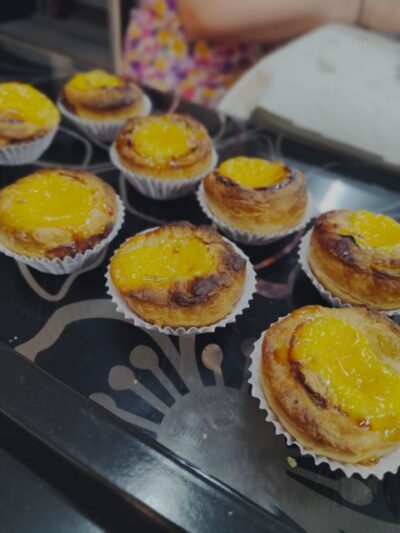
Pastel de Nata Cooking Class with Port Wine – Sé
Read our review →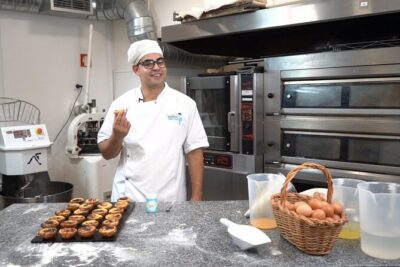
Pastel de Nata Masterclass at a Real Bakery in Downtown Lisbon
Read our review →
Pastel de Nata | Workshop from scratch | Porto’s city center
Read our review →Browse the lists this tour appears in