
Reviewed · PASTEL DE NATA WORKSHOPS
Pastel de Nata | Workshop from scratch | Porto’s city center
Porto is full of sweet stops, but this one is different. You do not just taste pastel de nata, you learn how to make it, step by step, in a small city-center kitchen. I love the hands-on pacing, because you get pulled into the different phases instead of watching from the sidelines. I also love the small group size, so the instructor can correct your technique without rushing you. One consideration: it is a true group workshop, so if you want a fully personalized, nonstop participation style, you may need a private lesson.
You will start at the scheduled time and stay through to the warm finale. Instructors like Vanessa, Anna, Clara, and Ana come through with a friendly, funny teaching style, and the vibe tends to feel relaxed, not stressful. The biggest drawback is practical, not personal: once the door closes at start time, you cannot enter late, so build in a buffer.
Key things I think you will care about
- Hands-on participation across dough, shaping, and filling phases, with everyone taking turns
- Small group cap (12 max) for more attention and fewer standing around moments
- Local wine included, which makes the workshop feel like Portuguese hospitality, not a factory tour
- Authentic process focus, with tips on dough work and the syrup side of the recipe
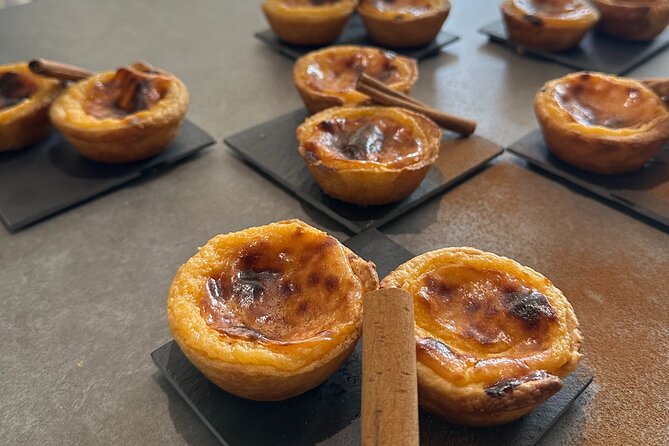
- Fresh results at the end, warm pastel de nata you can eat right away
Porto Pastel de Nata Workshop in City Center: What Makes It Worth Your Time
If you have eaten pastel de nata in Porto, you already know the goal. Now you want the method. This workshop is built for that exact reason.
You are in Porto city center, in a real kitchen space where the work happens. The meeting point is R. do Souto 67 (4050-595). The session runs about 2 hours 30 minutes, which is long enough to learn real technique, but short enough that it does not swallow your whole day.
The value, in my view, is that you are buying a skill, not just a dessert. The price is $48.36 per person, and yes, that sounds like you could buy pastries on the street. But street pastries do not teach you how to handle the dough, how to think about the filling, or why the classic texture matters. This is a do-it-yourself workshop where you leave with warm pastries made by your own hands.
Also, this is offered in English and uses a mobile ticket. That matters because you can show up ready, with less friction, and focus on the actual class.
More City Tours in Porto
- The Unvanquished Tour in Porto City Center
★ 5.0 · 26,497 reviews - Porto: City Highlights 3-Hour Guided Electric Bike Tour
★ 4.8 · 3,092 reviews - Porto: City Train Tour, River Cruise & Wine Cellar
★ 3.9 · 2,601 reviews
Timing, Start Time Rules, and Why They Matter More Than You Think
This experience starts at the scheduled time, no exceptions. For logistical reasons, it is not possible to join once it has started. The door closes at the scheduled time, and entry will not be permitted after that, even if you are close.
I get why this feels strict, but it also protects the class for everyone. Baking and turnover are time-based. Once the group misses a phase, the whole flow gets harder for the instructor to manage.
So here is the practical advice I would give you: arrive early, find the room quickly, then take a slow walk outside for a minute if you need to calm your nerves. Porto is pretty easy to navigate, and the meeting point is near public transportation, so it is usually straightforward to get there.
The good news is there is free cancellation. If you cancel up to 24 hours in advance, you get a full refund.
What Happens in the 2.5 Hours: A Clear, Hands-On Flow
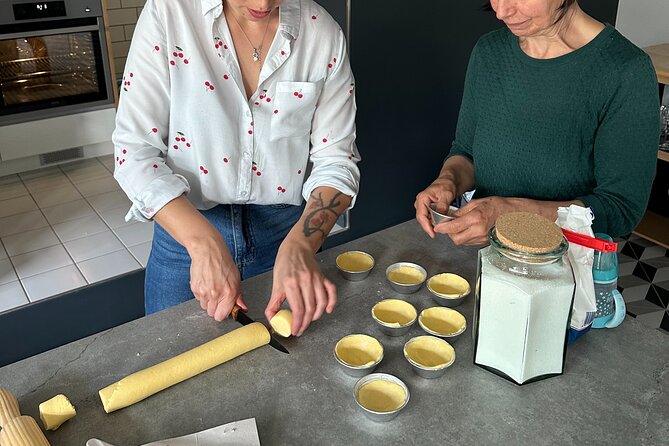
The workshop is designed as a sequence. The instructors guide you through the phases of making pastel de nata from scratch. You are not stuck in one station. You alternate roles so you get a feel for the full process.
The workshop is for adults. Children under 15 are not allowed to join. Ages 15 to 17 can join only if accompanied by an adult. And companions are not allowed inside the workshop, even if they are adults. If you are not the person with the reservation, you cannot enter the space.
What that means for you inside: expect a kitchen rhythm. You will likely see steps demonstrated, then jump in. Based on how the class is described and how people talk about it, you are usually involved enough that you can say, I made this, not I watched this.
The Dough and Technique Part: Where You Learn the Real Skill
Pastel de nata is famous, but the real trick is the technique. One theme that shows up strongly in instruction style is that the teachers focus on method, not shortcuts.
In some versions of the class, people specifically mention learning about rough puff pastry. That matters, because the flaky layers are what help give pastel de nata its signature bite. Even if your class emphasizes different pastry handling, you can expect attention to how the dough is worked and treated through the process.
A few instructor tips that repeat in the experience include things like:
- how to bring the dough together properly
- how to handle the rolling and layering steps with confidence
- how to approach the filling process so it bakes cleanly
This is also why the small group format helps. When there are fewer people, the instructor can watch your hands and correct issues on the spot. That is how you go from beginner to person who can actually repeat the method later at home.
More pastel de nata baking:
- Porto: Pastel de Nata Cooking Class with Grandma’s Recipe
★ 5.0 · 1,565 reviews - Porto: Pastel de Nata Pastry-Making Workshop
★ 4.9 · 1,542 reviews - Porto: Pastel de Nata Cooking Class with Port Wine – Sé
★ 4.8 · 888 reviews - Porto: Pastel de Nata Cooking Class from Scratch
★ 4.9 · 468 reviews
Filling, Baking, and the Big Aroma Moment
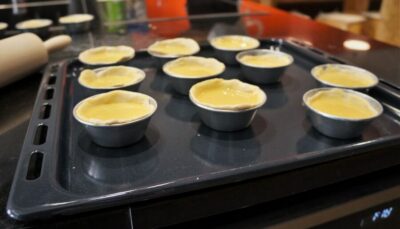
Once the dough work is moving along, you shift into filling and portioning. This is the part that smells like Portugal at its best. Custard, butter, and pastry all warm up together, and the kitchen energy changes.
The best part of this workshop is that you are not leaving before the payoff. You sit down and enjoy the warm pastries at the end, meaning you get to taste the result while it is fresh.
There is a practical tip that comes up in the experience: eat your pastel de nata quickly. If you have to reheat, having an oven helps. That is not a strict rule, but it explains why timing matters so much with this dessert.
If you are the kind of person who likes proof, this gives you it. You finish with something you can taste immediately, not just a recipe sheet and vague hope.
Wine, Coffee, and the Adult-Friendly Social Pace
Food classes can get overly formal. This one is not that. You get coffee and/or tea, plus local wine during the session.
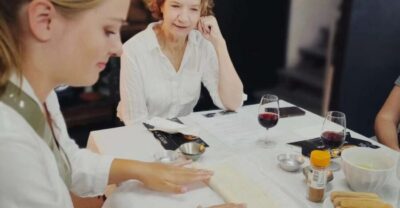
That wine inclusion is not just decoration. It changes the tone. People settle in, chat between steps, and treat the class like an evening activity that happens to involve pastry.
You should also note the workshop has a group vibe, so you will meet fellow participants during the process. Small groups also mean you might have more back-and-forth with your instructor, plus time for light conversation while you wait for the next phase.
If you do espresso culture, you will like that this is the kind of place where coffee tends to show up naturally as part of the finale.
Small Group, Up to 12: Why This Beats a Big Class
The workshop caps at 12 travelers. Reviews and the described format suggest the instructor actively cycles people through the tasks so everyone can participate.
This matters for a beginner. When a class is large, you often do the easiest step once, then watch. Here, the format is built so you alternate phases. That is how you actually learn enough to reproduce something later.
One of the most repeated praises is that the teaching feels engaging but not stressful. Instructors like Vanessa, Ana, Anna, Clara, and Mariah come up with the same style: clear explanations, humor, and practical coaching.
In other words, it is not a lecture. It is a working kitchen with guidance.
English Instruction and How to Get the Most Out of It
The workshop is offered in English, which is great for getting the why, not just the what.
Still, you get the most if you bring basic patience. You are learning a pastry process that has timing and texture changes. Ask questions when you can. Pay attention to small hand movements, like how you place pastry or how you manage filling.
Because the group is small, you will likely get quick clarifications if you ask.
Where You Start, Where You End, and What to Plan Around
You meet at R. do Souto 67 and the activity ends back at the same meeting point. No pick ups or drop offs are included.
That means you should plan your day like a local. Eat before if you want, or come ready for dessert. The class includes coffee and wine and finishes with the baked pastel de nata, so you might not need a big meal right after.
Since it is near public transportation, it is easy to connect back to your hotel or next stop.
Food Allergies, Lactose and Gluten, and Who Should Skip
Important practical note: this workshop is not suitable for people intolerant to gluten and lactose.
Pastel de nata involves pastry and custard ingredients that typically contain both. If you are even mildly unsure about your tolerance, treat this as a hard stop and choose a different activity.
Also, animals are not allowed, including service animals.
If you need an accommodation, you will need to check directly with the provider, because the rules here are clear.
Price and Value in Porto: Is $48.36 a Fair Deal?
Let’s talk value, not just cost.
$48.36 per person for about 2 hours 30 minutes includes:
- coffee and/or tea
- local wine
- instruction for making pastel de nata from scratch
- and the warm pastries at the end
If you compare to a typical dessert crawl, you might spend less on pastries, but you are also buying taste, not skill. Skill has two values:
1) you can repeat it at home
2) you learn how to understand the pastry next time you order it
The class is also capped at 12. That means your money supports a more personal experience than large-scale demonstrations.
So in my opinion, this is good value if you like doing rather than just sampling. If you only want to eat, you might feel it is pricier than street options. But if you want the real method, it is a fair deal.
Who This Workshop Is Perfect For
This is ideal if:
- you want a hands-on Porto food experience
- you like learning from pastry chefs, not just following a recipe
- you are okay with being involved in multiple steps
- you enjoy a social, adult group with local wine
It is also a strong fit for couples or friend groups who want a shared activity with a clear end product.
And it can work even if you are not a baker. Many people doing this class describe themselves as beginners and still end up impressed by how approachable the steps feel when the instructor guides you.
Should You Book This Pastel de Nata Workshop in Porto?
Yes, I think you should book it if you want a real Porto flavor plus a real takeaway skill. The combination of hands-on participation, small group attention, and warm results you eat at the end makes it feel like money well spent.
Book it soon enough to get your preferred time, since it tends to sell with good lead time. Also, when you confirm, treat the start time as real. Arrive early and go straight in. The door closes, and late entry is not allowed.
Skip it if you cannot eat gluten or lactose, if you are bringing children under 15, or if you want a private-style experience. This is a group workshop, and full participation in a more customized way is better handled through a private lesson.
FAQ
What is the price of the Pastel de Nata workshop in Porto?
The price is $48.36 per person.
How long is the workshop?
The duration is about 2 hours 30 minutes.
What languages is the workshop offered in?
The workshop is offered in English.
Is local wine included?
Yes. The experience includes local wine (along with coffee and/or tea).
Is this a private class?
No. It is a group workshop with up to 12 participants. If you want full participation in a private lesson style, you would need to book privately.
Can children join the workshop?
Children under 15 are not permitted. Children between 15 and 17 can only participate if accompanied by an adult.
What dietary needs should I consider before booking?
It is not suitable for people intolerant to gluten and lactose.
Where does the workshop meet, and where does it end?
It starts at R. do Souto 67, 4050-595 Porto, Portugal and ends back at the meeting point.
What is the cancellation refund window?
You can cancel up to 24 hours in advance for a full refund. If you cancel less than 24 hours before the start time, the amount paid is not refunded.
Latest reviews from Porto
- Porto: City Center Walking Tour★ 4.6 · 227 reviews
- Porto Food Tour of 8 Tastings: Custard Tart, Bifana & Hidden Gems★ 5.0 · 229 reviews
- Aveiro and Coimbra Small Group Tour with Moliceiro Boat Cruise★ 4.5 · 236 reviews
- Transfer from Porto Airport to Porto City Hotels★ 5.0 · 236 reviews
- Day Trip Braga and Guimarães from Porto★ 4.5 · 237 reviews
- The Best Douro Boat Tour★ 5.0 · 243 reviews
- Beyond the Barrel: From Decadent to Down-home in the Heart of Porto★ 5.0 · 243 reviews
- Porto: Historic Center Tuk-Tuk Tour★ 4.5 · 244 reviews
Pastel de Nata Workshops, compared.
Pastel de Nata Cooking Class with Grandma’s Recipe
Read our review →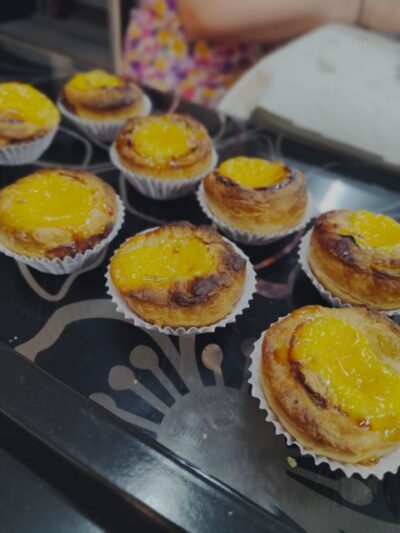
Pastel de Nata Cooking Class with Port Wine – Sé
Read our review →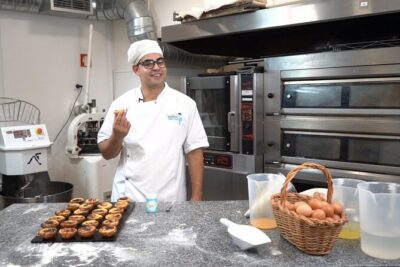
Pastel de Nata Masterclass at a Real Bakery in Downtown Lisbon
Read our review →
Pastel de Nata Pastry Class: Bake and Enjoy Your Own Treats
Read our review →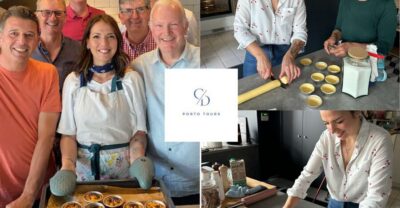
Browse the lists this tour appears in