

Reviewed · WORKSHOPS
Porto Tile Painting Workshop in artist studio
If you like Portugal because of small, hand-made things, this Porto tile painting workshop fits like a glove. You sit down in an artist studio, learn the ideas behind azulejo design, and leave with a tile that looks like you made it, not like it came off a shelf.
Two things I really like: you get to choose between the traditional kiln-fired glazing method or a ready-to-go acrylic option, and the instruction is relaxed and patient, with hosts like Eglė and Katrina described as making the process easy to follow.
One thing to consider is timing. If you choose the kiln-fired tile, you either pick it up about five business days later or you arrange shipping, which can add waiting (and some people found communication frustrating during shipping delays).
Key things to know before you paint
- Two techniques, two outcomes: kiln-fired for classic ceramic glaze, or acrylic for take-home convenience right after class
- Beginner support: you can trace from 10 traditional stencils if drawing feels intimidating
- One tile per person with materials included: you get the tile plus colors and tools for your design
- Small group energy: the group is capped at 15 travelers, so you actually get help while you work
- Studio time matters: you learn the tile tradition and you also see how the process works in an artist space
Finding the studio in Porto, and what you do in the first 10 minutes
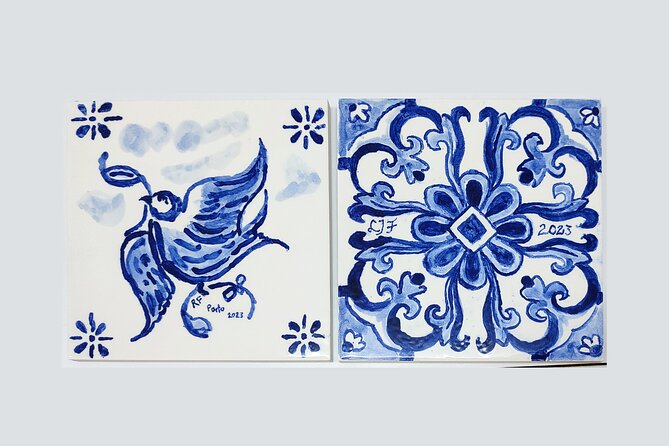
Your session starts at OKNAR. da Igreja de Cedofeita 27, 4050-181 Porto. The class ends back at the meeting point, which keeps things simple if you plan to head back to dinner right after.
Once you arrive, the vibe is more workshop than performance. You’ll get oriented, then you’ll start with the part most people worry about: choosing a design and figuring out how to put marks on ceramic without turning it into a mess.
This is where small-group size helps. With a maximum of 15 people, you’re not stuck watching from the back while your hands sit idle. I like that you’re guided early, so you leave with a plan, not just paint fumes and hope.
More of Porto to look at
- Porto: Pastel de Nata Cooking Class with Grandma’s Recipe
★ 5.0 · 1,565 reviews - Porto: Pastel de Nata Pastry-Making Workshop
★ 4.9 · 1,542 reviews - Porto: Tile Painting Workshop with Porto Wine – Sé do Porto
★ 4.9 · 1,095 reviews
Picking your technique: kiln-fired tradition or acrylic you take home
This workshop gives you a real choice, and that matters because Porto visitors tend to travel on different schedules.
Traditional Azulejo glazing, kiln-fired
If you choose the traditional technique, you’ll paint and glaze in the studio, then the tile gets fired in a ceramic kiln. The promise here is the classic outcome: your tile becomes part of the Portuguese tradition of glazed ceramics, not just a surface decoration.
After firing, you can pick up your tile after five business days at the studio. If you cannot return, mailing is available too, with stated costs of 15 € for Europe and 25 € for the USA, including tracking.
The tradeoff: you have to wait. This is normal for kiln-fired work, but it changes the souvenir from instant gratification to a keepsake you receive later.
Ready-to-go acrylic, sealed for immediate pickup
If you choose the ready-to-go option, you paint with fast-drying acrylics and the tile is sealed with protective varnish. You can pick it up right after the workshop, which is ideal if you’re only in Porto for a short time or you hate the idea of waiting for mail.
This option is also the easiest for families and time-pressed travelers. You still learn about Portuguese tile styles and technique, but the end result is designed for people who need a finish right now.
More time in Porto:
- The Unvanquished Tour in Porto City Center
★ 5.0 · 26,497 reviews - From Porto: Douro Valley w/ Boat Tour, Wine Tasting & Lunch
★ 4.7 · 19,061 reviews - Complete Douro Valley Wine Tour with Lunch, Wine Tastings and River Cruise
★ 5.0 · 12,920 reviews - Porto: Six Bridges Cruise
★ 4.2 · 11,680 reviews
Learning the Azulejo idea without needing an art degree
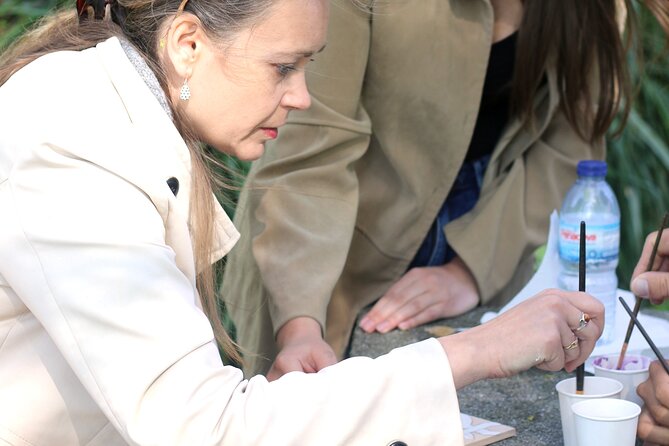
The heart of the class is not just the painting. You also get a guided introduction to the history of Portuguese tiles, plus a tour through common styles and methods.
Here’s what I think makes that learning time valuable: it turns your design choices from random decoration into something that actually connects to Porto. Even if you trace a stencil and keep your design simple, you understand what you’re recreating and why certain patterns show up again and again.
You can follow a traditional design or create your own. If you want originality, you’re not stuck copying. The instruction is built to help you make decisions while you paint, not after you run out of time.
Tracing stencils for beginners, plus how to make it look like you
If you’re a beginner, good news. You’ll have 10 traditional stencils you can trace in minutes. That means you can focus on color choices and brush control rather than reinventing the whole drawing process.
In practice, tracing works because it gives your tile a clean structure. Then your own brush marks and color variations do the rest. That is exactly what makes your final tile feel personal, especially compared with mass-produced printed souvenirs.
What I’d do if I were you: pick a stencil that matches your comfort level. If you love intricate motifs, choose one that you can finish in the time you have. If you want something calmer, go for a simpler pattern and spend extra time on color balance and spacing.
The actual workshop flow, from first brushstroke to finished tile
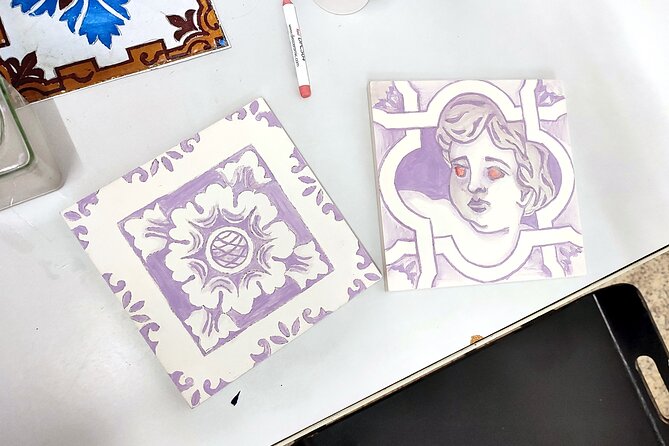
The session is about 2 hours. Here’s the rhythm you can expect, based on how the workshop is run.
1) Welcome, studio orientation, and design planning
You’ll start by getting set up in the studio and learning the basics you need for the technique you chose. You’ll also see the options for designs, so you can decide early instead of spending half the workshop undecided.
Some people really enjoy seeing the instructor’s own work first. That visual context can help you understand what style choices are possible, especially if you’re nervous about your own ability.
2) Pattern selection and tracing or freestyle
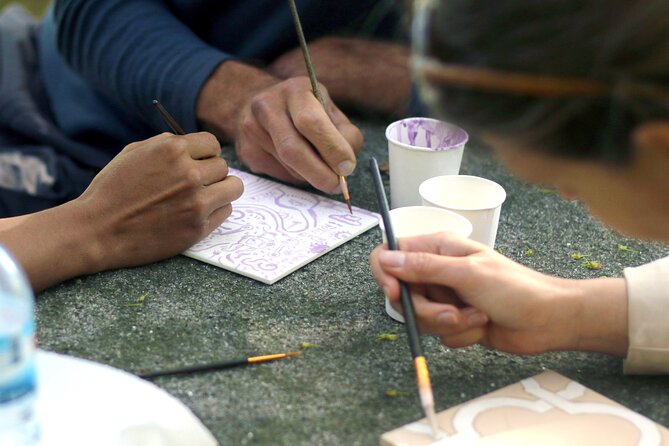
You’ll either trace a stencil or start a design you create yourself. Either way, you’re not thrown into the deep end. The teacher explains how to transfer the layout onto the tile, and you get step-by-step guidance as you move through the process.
The key here is pace. You’re working during the lesson, so mistakes are fixable. It’s much less stressful than a DIY paint session where you realize too late you’re doing it wrong.
3) Painting and technique coaching
Then you paint. If you’re doing the kiln-fired route, you’re focusing on glazing technique. If you’re doing acrylic, you’ll paint knowing the tile will be sealed after.
In both cases, the teacher helps with brush control and color placement. And since the group is small, you can actually ask for help while you’re working, not after everything is over.
4) Your tile’s next step, firing or sealing
At the end, your tile goes to its next stage. For traditional glazing, that means kiln firing. For acrylic, that means sealed protection so your tile is ready to pick up right away.
Either way, you leave with the satisfaction of finishing something physical, in a studio setting, not just collecting another souvenir photo.
Pickup timing and shipping: plan like a grown-up (in a good way)
If you choose the traditional kiln-fired tile, you should plan for pickup about five business days later. That might mean returning to the studio after your main Porto days, so it helps to book earlier in your trip if you can.
If you cannot return, shipping is available with tracking. Europe is listed at 15 € and the USA at 25 €. That cost is separate from the workshop price.
A balanced note based on real-world outcomes: shipping can be slower than you expect when international routes get disrupted. In one case, the studio explained that new tariff-related changes temporarily affected mail from Portugal to the USA, leading to delays while parcels were held and later sent via courier.
So, if you are shipping internationally, I’d treat it like a timeline with wiggle room. If you need the tile in time for a specific date, the acrylic ready-to-go option is the safer bet.
If you pick the acrylic technique, you avoid the waiting. You get your sealed tile immediately after class, and it becomes a carry-home souvenir.
How much is it worth at $40.01 per person
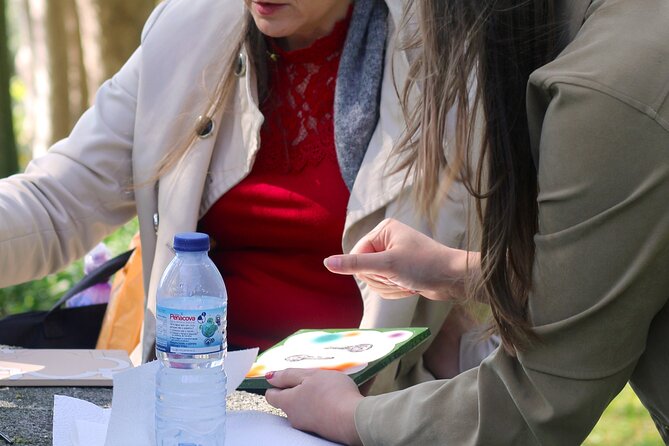
At $40.01 per person, this workshop can feel like a bargain or like a splurge depending on what you compare it to.
Here’s why I think it’s good value: your price covers professional instruction, a complete, structured activity, and the materials setup, including one tile per person and enough colors and tools to make a finished piece. You’re paying for guidance and process, not just for the paint.
If you choose the kiln-fired technique, you’re also paying for the firing process and the real ceramic transformation. That’s a behind-the-scenes cost many DIY crafts never include.
If you choose acrylic, you’re paying for a guided creative session plus sealing so you can take it home right away. For short-stay travelers, that convenience is worth real money.
The only extra costs to watch are shipping for kiln-fired tiles. If you’re going international, the added shipping fee is the real variable.
Who should book this Porto tile painting workshop
This is a strong fit for you if:
- You want a hands-on cultural souvenir tied to Portuguese tile tradition
- You like small-group settings where the instructor can actually help
- You travel with beginners, including kids, and you want a low-stress activity
- You enjoy learning a bit of local art context while you make something
You might skip it if:
- You cannot handle a wait for kiln-fired pickup and you have no flexibility for mailing
- You need a guaranteed delivery date at a specific time, no exceptions
- You prefer souvenirs that are instantly recognizable as shop-bought, rather than personally made
A practical tip before you go: what to bring and how to choose your design
The studio provides materials, so you don’t need a full art kit. But you should think about your end goal.
If you want a tile that feels like classic Porto ceramic, choose the traditional method and plan your schedule around pickup. If you want a done-right-now souvenir, choose the acrylic option.
Also, choose colors that match your style and your space at home. A tile that looks great in warm studio lighting can look even better at home if it fits your wall or shelf.
Finally, consider booking early enough that you are not juggling pickup with a last-minute flight. Porto is walkable, but the studio timing still matters.
Should you book this workshop?
Yes, if you want a creative Porto memory that feels earned. The best part is the combination of real instruction and the ability to succeed even when you are not an artist. With stencils available, help on technique, and small-group attention, you should end up proud of your tile.
Book kiln-fired if you can wait a few days or you want the classic glazed ceramic result. Choose acrylic if you need an immediate keepsake and you want to avoid shipping variables.
If you’re on the fence, I’d say this is one of those rare activities where the process is enjoyable in its own right. Even if your drawing skills are modest, the studio setting, guidance, and stencil options make it a fun, very doable afternoon in Porto.
FAQ
How long is the Porto tile painting workshop?
It runs for about 2 hours.
Is the workshop offered in English?
Yes, it is offered in English.
Do I need to be good at drawing to take the class?
No. You can use one of 10 traditional stencils you trace, or you can create your own design.
What are the two technique options?
You can choose the traditional Azulejo glazing method that is kiln-fired, or a ready-to-go acrylic option with protective varnish so your tile is ready to pick up right after the workshop.
When can I get a fired tile if I choose the traditional technique?
If you choose kiln-fired glazing, you can pick up your finished tile after five business days. Mailing is also available for an additional fee (Europe 15 €, USA 25 € with tracking).
Can I cancel for a full refund?
Yes. You can cancel up to 24 hours in advance for a full refund. If you cancel less than 24 hours before the start time, the amount you paid is not refunded.
Latest reviews from Porto
- From Porto: Port Wine Sunset Rooftop Walking Tour★ 4.5 · 73 reviews
- Porto: 6 Bridges Cruise on a Traditional Rabelo Boat★ 4.1 · 73 reviews
- Porto Legends, the Underground Experience★ 4.0 · 73 reviews
- Porto: 6 bridges tour, Douro river with 4 Port Wine tasting★ 5.0 · 74 reviews
- World of Discoveries Entrance Ticket in Porto★ 4.0 · 74 reviews
- Fado Concert with Welcome Drink★ 5.0 · 75 reviews
- From Porto ↔ Lisbon with up to 4 stops : Aveiro, Nazaré, Óbidos★ 5.0 · 76 reviews
- Boat Trip to Régua Through the Douro Valley with Breakfast and Lunch★ 4.5 · 76 reviews
Workshops, compared.


Pastel de Nata Cooking Class with Grandma’s Recipe
Read our review →
Tile Painting Workshop with Porto Wine – Sé do Porto
Read our review →

Pastel de Nata Cooking Class with Port Wine – Sé
Read our review →

Browse the lists this tour appears in