
Reviewed · WALKING TOURS
Funchal: Old Town Walking Tour
This 2-hour walking tour through Funchal’s Old Town is interesting because it connects the city’s growth from sugar production to the streets, churches, and forts you still see today. I love the Farmers’ Market stop, because the guide explains how everyday local crafts and trade grew out of Madeira’s early industries. I also love starting at the Jesuits’ College, since you get real access to key buildings instead of only viewing them from the outside.
One consideration: the route has cobbled streets and slight inclines, so wear shoes you trust for a steady pace, and expect a bit of walking on uneven ground even if the tour is listed as wheelchair accessible.
Key things you’ll love about the Funchal Old Town walk
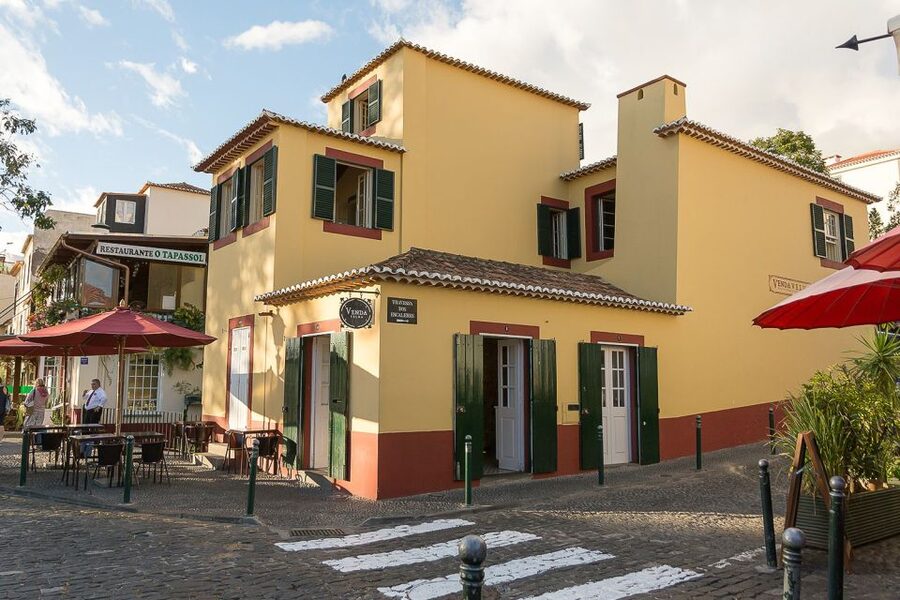
- Follow Madeira’s sugar story in person, from Colombo Square to a 19th-century sweet factory.
- Stop at the Farmers’ Market with context, including embroidery history tied to early Madeira trade.
- See more than the postcard sights, including a visit inside Funchal City Hall and medieval streets like Rua de Santa Maria.
- Track old defenses near the riverbeds, at Admiral’s Garden and fortress ruins once meant to protect the city from flooding.
- End with a wine lodge visit, with a chance for a short Madeira wine moment at the end of the walk.
- Small groups, student-supported guiding, through Madeiran Heritage with money helping University of Madeira outreach.
Why this Old Town tour works so well in just 2 hours
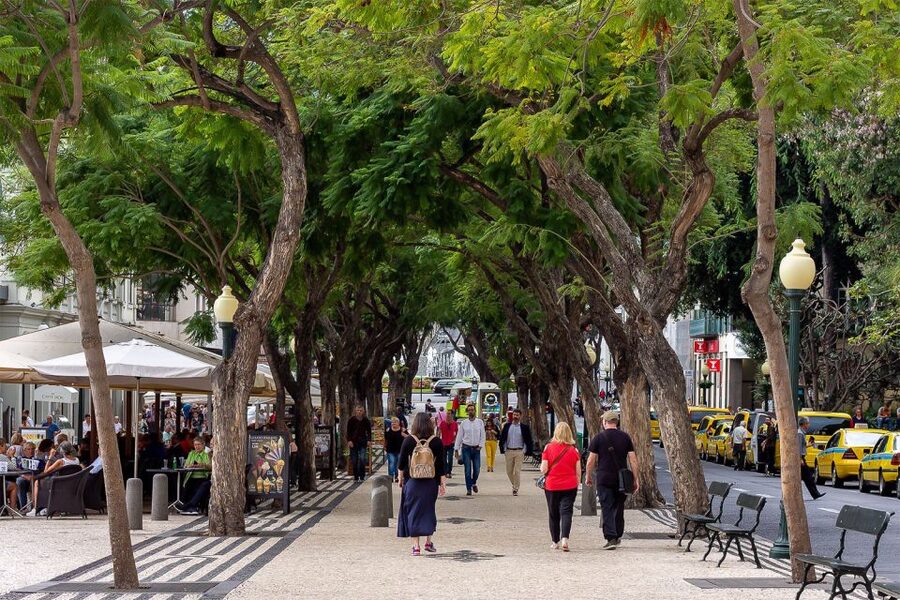
Funchal can feel like a lot of things at once, cruise ships dropping people near the center while the old streets quietly explain the island’s big industries. This tour is built to give you a clear story arc, not just a list of monuments. In two hours, you’ll get the why behind the city layout, the economy, and the religious power that shaped the center.
What makes it especially good value is that you’re not only watching. You’re stepping into places, including the Jesuits’ College of Funchal, and you’re walking through the same streets that supported Madeira’s sugar, wine, and related trades. For $19 per person, that combination of time, access, and guiding beats the usual idea of paying just to be walked from one viewpoint to another.
More Walking Tours in Madeira
- Madeira: Enjoy a Guided Levada Walk in the Rabaçal Valley
★ 4.7 · 2,197 reviews - Funchal: East Madeira Island Guided Tour & Laurissilva Walk
★ 4.8 · 1,194 reviews - Madeira East Island Tour and Levada Walk
★ 4.6 · 800 reviews
Starting at Colégio dos Jesuítas do Funchal, with easy orientation from the start
The meeting point is the Jesuits’ College of Funchal at the University of Madeira area, next to D’Oliveiras Madeira Wine on Rua dos Ferreiros. You’ll start inside the university complex, at the Gaudeamus Shop inside the University of Madeira Rectory, then the tour moves you into the city center with a timeline in mind.
This matters more than it sounds. When you begin with a big institutional building like the Jesuits’ College, the rest of the walk clicks into place, because you can feel how education, religion, and governance were tangled together in the old city. The itinerary also includes an entrance visit here, so it’s not just a meeting spot, it’s part of the experience.
And about the guides: the strongest repeated praise in the feedback is the way guides like Annabelle, Elias, and Elea keep the story clear at a comfortable pace, with plenty of room for questions and photo stops. If you’ve got curiosity about why something is where it is, this is the kind of tour that turns curiosity into answers.
Funchal City Hall and the “how did this place work” factor
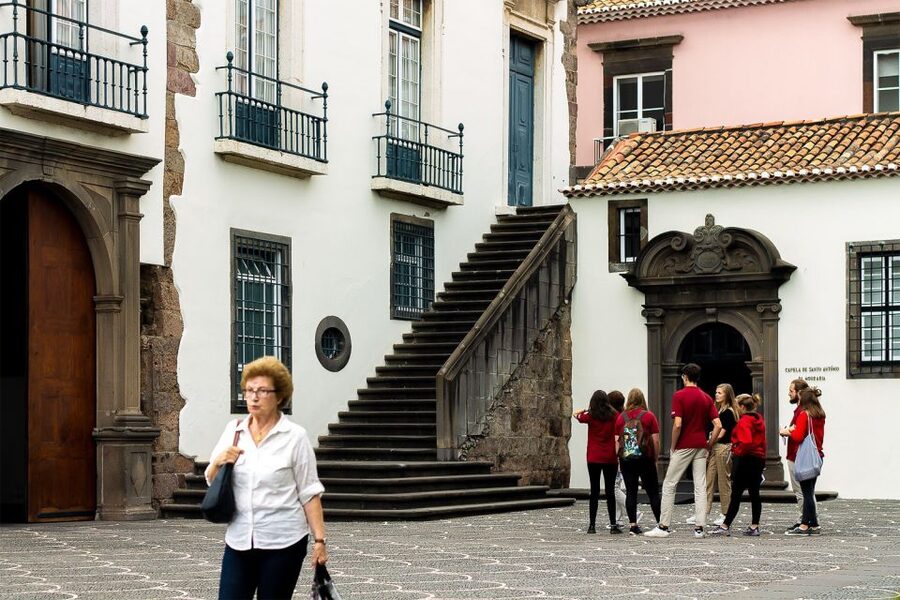
Early on, you’ll make a stop with a photo moment at Funchal City Hall. There’s also a visit inside a lesser-noticed area connected to the building, where the guide shares local context that most first-timers would miss if they just wandered on their own.
City halls can be visually dull from the outside, but in old European cities they were practical machines, coordinating trade, local administration, and the flow of goods and people. That’s exactly the point of this stop. You’re learning how the city functioned, not just what it looked like.
The 19th-century sweet factory and why sugar shows up twice
One of the most memorable parts of this walk is the visit to a traditional sweet factory founded in the 19th century. It’s the same sugar engine you’ll hear about later, but this time you see the culture turned into food. It’s one thing to hear the word sugar, it’s another to connect it to sweets that people still associate with Madeira today.
The tour also uses this moment to make the larger economic story feel real. When you later stand at spots like Colombo Square and hear about the island’s sugarcane industry, the sweet factory stop gives your brain an anchor. You don’t just remember dates. You connect cause and effect, from plantation agriculture to daily treats.
Another Madeira day, differently spent:
- From Funchal: Ecological Catamaran Dolphin Whale Watching
★ 4.5 · 8,204 reviews - Madeira: Skywalk, Porto Moniz, Seixal, and Fanal 4WD Tour
★ 4.9 · 7,905 reviews - Funchal: Dolphin and Whale Watching Catamaran Cruise
★ 4.5 · 5,697 reviews - Funchal: Enchanted Terraces, Porto do Moniz & Fanal 4WD Tour
★ 4.8 · 4,930 reviews
Farmers’ Market, Rua Dr. Fernão de Ornelas, and the embroidery link
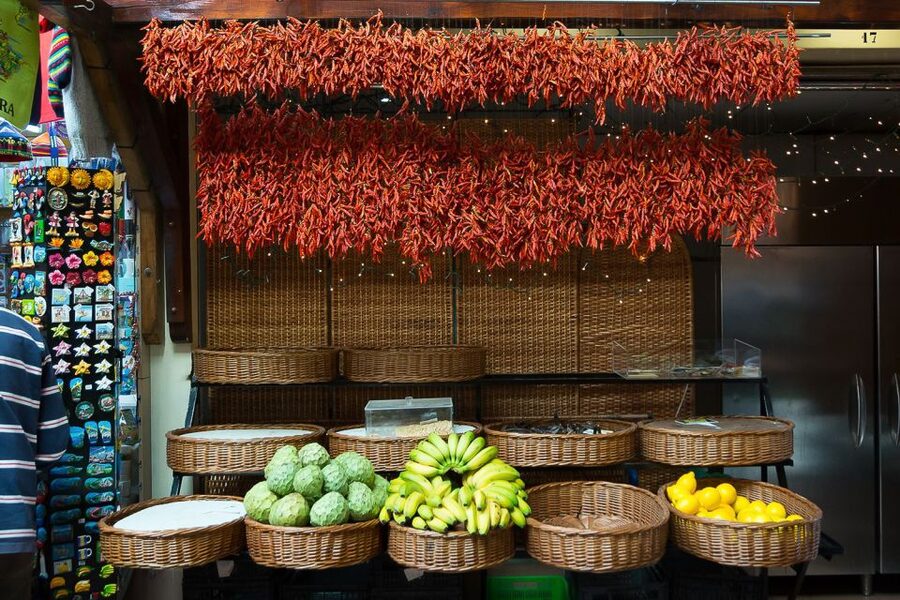
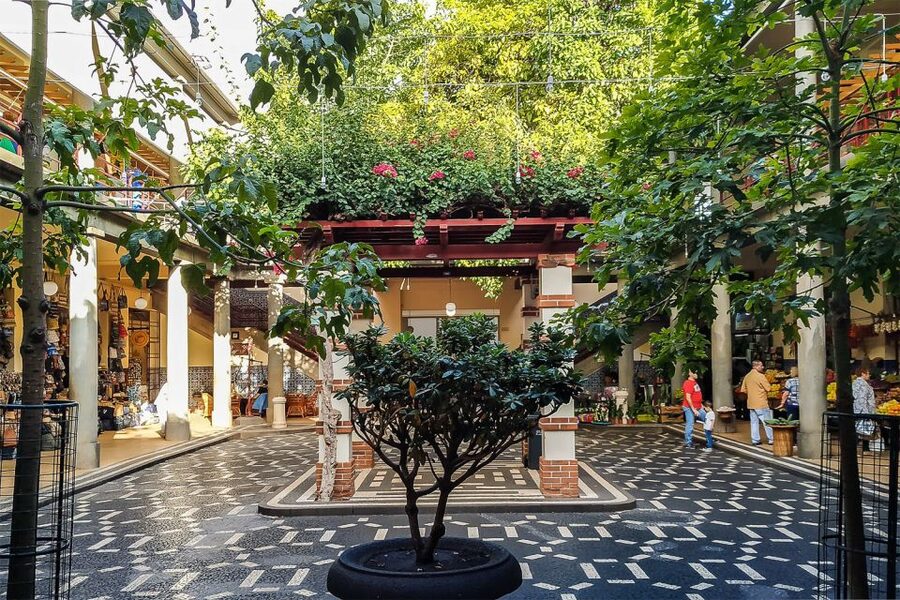
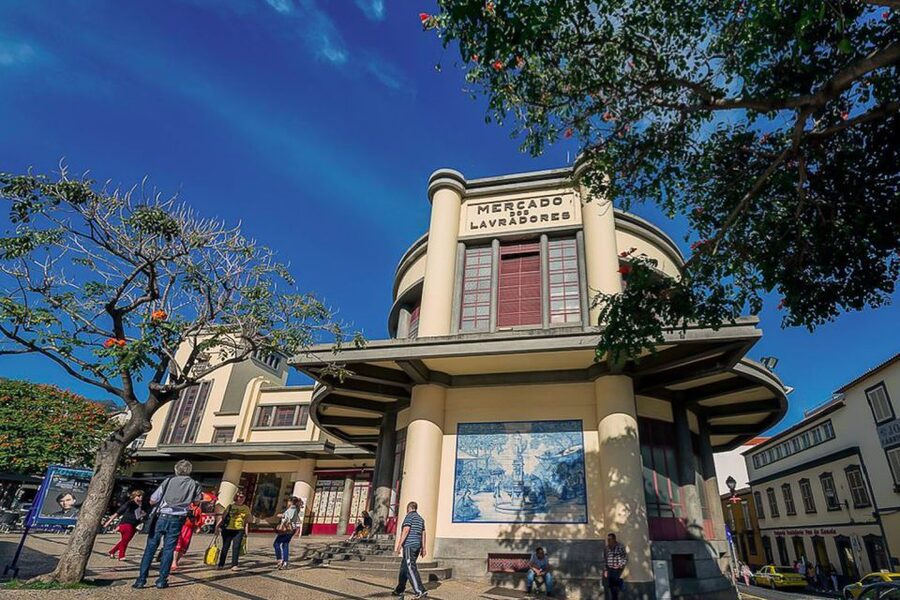
After the sweet factory, you move on to the iconic Farmers’ Market. You’ll get a guided visit through the market, and the guide also helps you read what you’re seeing, including how Madeira’s early industries shaped local crafts. A highlight here is the embroidery connection, tied to the early days of Madeira’s embroidery industry as you pass along one of the city’s busiest streets.
If you like markets, this stop can feel like the best of both worlds: shopping energy plus historical explanation. It’s not a lecture. It’s a way to make sense of why certain products and crafts show up where they do.
Also, small group sizes help. In the feedback, people repeatedly mention small numbers on the walk, which usually means less rushing and more breathing room to ask questions or take photos before the group moves on.
Rua de Santa Maria, the Admiral’s Garden, and fortress ruins by the riverbeds
Next comes the medieval feel. You’ll pass through Rua de Santa Maria, then head toward the Admiral’s Garden area and the ruins of an old fortress located near the riverbeds. The key story here is about protection. These fortifications were tied to how the city managed flooding risks, with the riverbeds once walled in to protect the city.
This is where the tour earns its keep for history lovers, because you’re seeing physical evidence of risk management. You get the island’s hard realities, not just scenic architecture. The guide’s job is to show you how those realities shaped the placement of defenses and the rhythm of life in the old center.
It’s also a useful reality check for first-time visitors. Madeira’s coast and terraces can look smooth from afar. Standing near these older structures makes it clear that the city had to solve practical problems, too.
Colombo Square and the sugarcane story with a surprising link
Colombo Square is where the tour shifts from streets and ruins to the island’s sugarcane industry, and then adds a surprising connection tied to the discoverer of the Americas, who once lived on the island. The point isn’t to turn the walk into a trivia contest. It’s to show how Madeira’s trade and settlement history became part of bigger Atlantic currents.
Even if you’re not into “big history,” this stop works because it helps you understand why sugar matters in Madeira’s identity. Later, when you see wine everywhere, you’ll notice the economic pattern repeating: island products, export routes, and communities shaped around getting goods out and building status around them.
The Legislative Assembly, Funchal Cathedral, and when Madeira mattered to the world
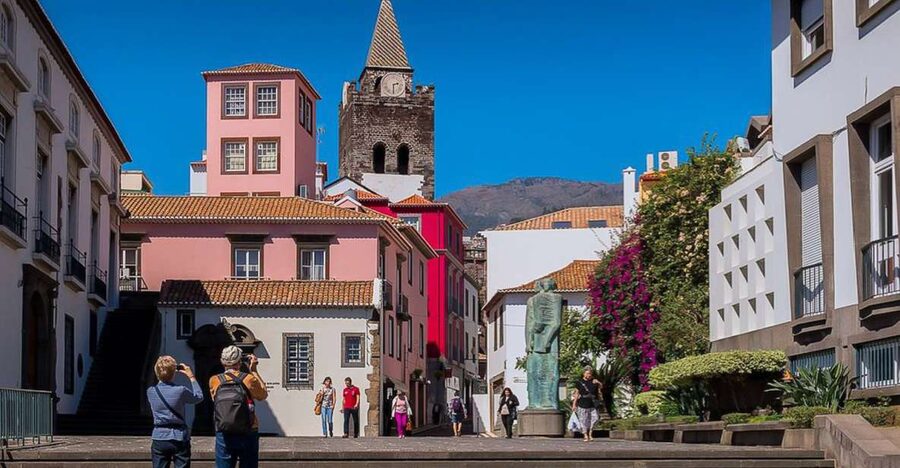
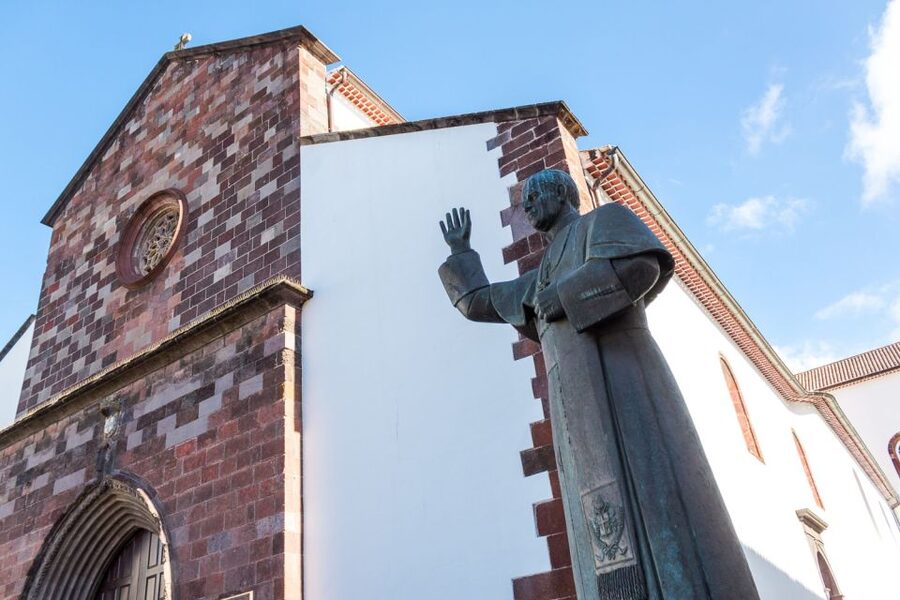
You then visit the Regional Legislative Assembly and pass by the Cathedral. The Cathedral stop has an especially strong historical hook: in the 16th century, it served as the seat of the largest diocese in the world. That’s a big claim, and the guide uses it to explain why religion, administration, and influence were concentrated here.
This is the part of the tour that feels like stepping into a map of power. If you want to understand why the old city center looks the way it does, this is your moment. The Cathedral and nearby institutions give shape to the spiritual and political reach of Madeira during its peak periods.
Municipal Garden, the Wine Lodge stop, and a short Madeira wine moment
At the Municipal Garden you’ll have a quick stop at a traditional Wine Lodge. This ties the island’s economy back to what you’ll smell and taste long after the walk ends. Madeira wine is not just a souvenir. It’s the product that helped shape trade relationships and social prestige on the island.
Some departures include a small Madeira wine tasting as part of the experience, and that shows up repeatedly in the guide feedback. Even if your day runs a shorter tasting, you’ll still leave with a clearer sense of what makes Madeira wine distinctive and why locals treat it like more than a drink.
Pass by Madeira Photography Museum, then finish at the Jesuits’ Church
You’ll also pass by the Madeira Photography Museum, Atelier Vicente, which is one of those “quick look” stops that can help you plan what to explore later. It’s brief, but it plants a seed if you want something different from churches and markets on day two.
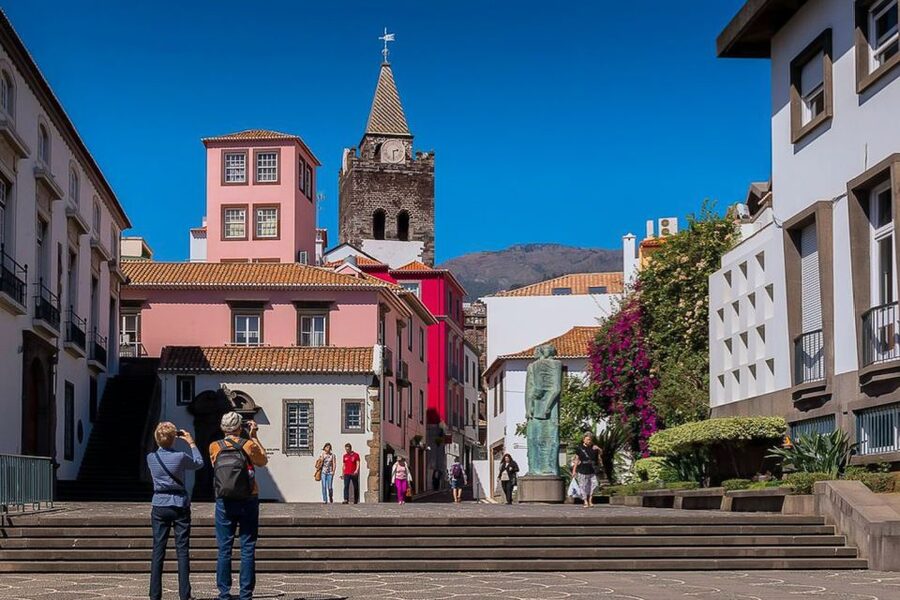
The walk finishes back near the former Jesuits’ College, including a visit to the Igreja do Colégio (the Jesuits’ Church). Then you’ll have drop-off options at either the Municipal Garden area or back at the Jesuits’ College, depending on where your group ends.
This ending matters for a simple reason: you’re closing the loop. You started with Jesuit education and access, and you end with the church side of the same story. The tour doesn’t just toss you back into the street, it wraps up the theme.
Price and value: what $19 really buys you
$19 for a two-hour guided walk sounds almost too cheap, until you look at what’s included. You’re getting guided commentary throughout, a visit to the Farmers’ Market, access inside the Jesuits’ College, and stops for a sweet factory and a traditional wine lodge. That’s more than a basic overview.
On top of that, the tour is run with Madeiran Heritage guides who support educational and student outreach programmes at the University of Madeira. The feedback repeatedly notes this student support angle as a positive. You’re paying for local knowledge and storytelling, and you’re also putting your money toward something tangible rather than a purely commercial tour.
In practical terms, I think this is a great price point for a first day in Funchal. You’re buying orientation and context, which makes the rest of your time feel easier.
What to bring, wear, and do before the walk starts
You’ll want comfortable shoes because the route includes cobbled streets and slight inclines. The tour guidance also suggests sun protection or rain gear depending on the forecast, so think layers. Bring a bottle of water if that’s your habit, since food and beverages aren’t part of the included plan.
You should also keep your load light. Luggage or large bags aren’t allowed, so travel with a daypack or small crossbody. And arrive about 10 minutes early at the University of Madeira rectory entrance area with the Gaudeamus Shop signage, so check-in stays painless.
Who this walking tour is for, and who should pick something else
This tour is best for you if you want a focused introduction to Funchal’s old center. If you have limited time, like a short stay or a day on a cruise, the structure works because you see a wide slice of the city without doing a whole day of transit.
You’ll also enjoy it if you like history that connects to daily life. This isn’t only about dates and buildings. It’s about how sugar production shaped sweets, how markets connect to local crafts, how flooding risks influenced defenses, and how the Cathedral and legislative institutions reflect status and authority.
Skip it if you dislike walking on uneven surfaces or want a tour that’s mainly food-focused. There are market moments and a wine lodge stop, but the core experience is interpretation and storytelling, not a long tasting itinerary.
Should you book the Funchal Old Town Walking Tour?
Yes, if you want strong value and a story-first way to understand the old city quickly. The combination of guided visits, market time, and industry themes like sugar and wine gives you context that helps you explore independently afterward.
Book it especially early in your trip. With guides such as Annabelle, Elias, or Elea often singled out for pacing and clarity, you’ll leave with the kind of city map that lives in your head, not just on your phone.
Latest reviews from Madeira
- Funchal: Monte Toboggan and Old Town Tour by Tuk-Tuk★ 4.9 · 225 reviews
- From Machico: Madeira Whale and Dolphin Watching Boat Tour★ 4.8 · 225 reviews
- Eco-Friendly Catamaran Dolphin and Whale Watching★ 4.5 · 226 reviews
- Funchal: Monte Tropical Garden & Toboggan Ride by Tuk Tuk★ 4.8 · 227 reviews
- Madeira: Folk Dancing Show and Traditional Local Dinner★ 4.4 · 227 reviews
- Madeira: Intermediate (Level 2) Canyoning Experience★ 4.9 · 231 reviews
- Sunrise Transfer To Pico Do Arieiro, Hike To Pico Ruivo & Return From Teixeira★ 5.0 · 233 reviews
- Arieiro Peak, Santana & Ponta São Lourenço in Open Roof 4X4 Tour★ 5.0 · 235 reviews
Walking Tours, compared.
Best of Lisbon Small-Group Guided Walking Tour
Read our review →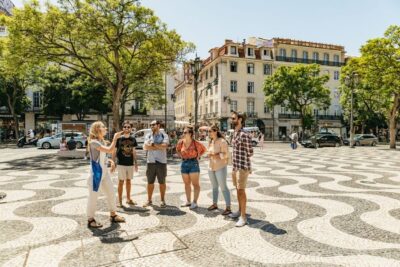
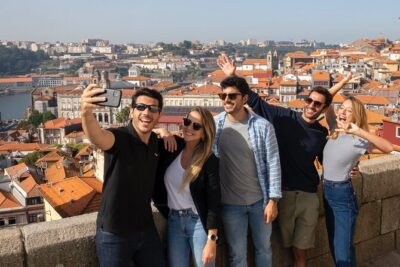
Porto Walking Tour, Lello Bookshop, River Cruise and Cable Car
Read our review →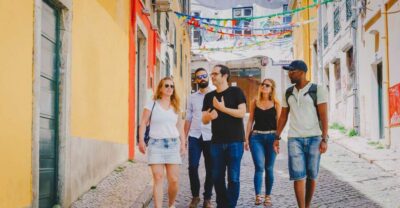
Best of Lisbon Walking Tour: Rossio, Chiado & Alfama
Read our review →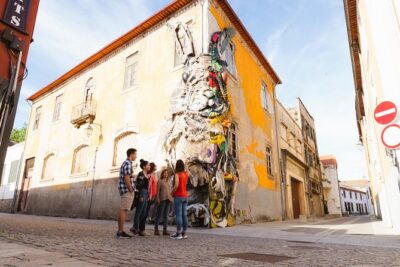
Experience Porto’s Charm: 3-Hour Guided Walking Tour
Read our review →
Enjoy a Guided Levada Walk in the Rabaçal Valley
Read our review →
Browse the lists this tour appears in