Reviewed · LISBON TOURS
Lisbon’s Post-Colonial Feast
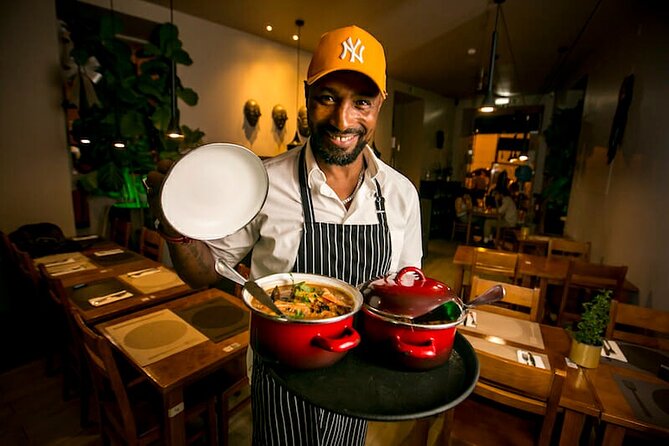
Lisbon’s Post-Colonial Feast is interesting because it treats food like a map. You walk through key parts of the city while your guide connects what you are eating to Portugal’s post-colonial communities and the hard history underneath.
I like the focus on food plus history, not one or the other. I also like the small group size, max seven people, which makes it easier to ask questions and actually talk with the person next to you. When I joined a group, our guide Celia kept the pace friendly and the story clear.
One possible drawback to consider: this tour covers grim topics like slavery, repression, and exploitation. If you want an only-fun food crawl, this may feel heavy. If you are okay with a thoughtful day that also happens to be delicious, it is a strong choice.
Key points worth your time
- Max 7 people means more conversation and less standing around
- English mobile ticket makes it simple to show up and start walking
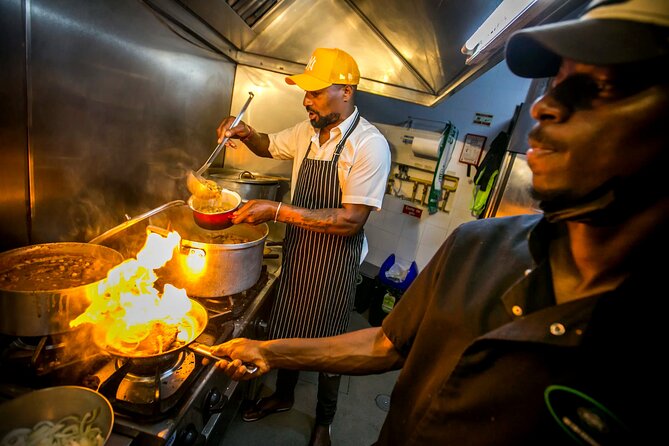
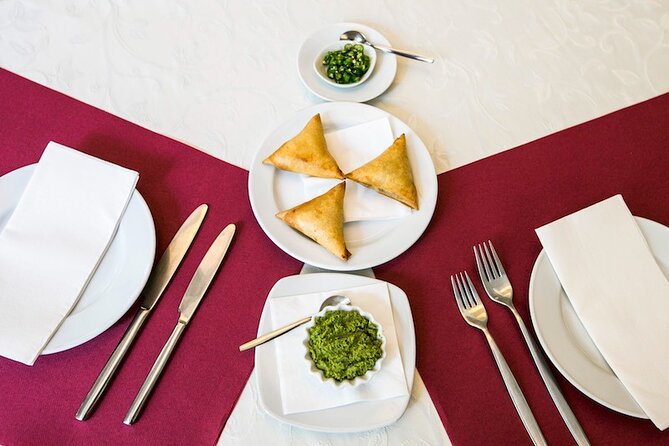
- You sample a true “feast” with stops tied to tastings like chocolate and chorizo stew
- You get context on Portugal’s former colonies and how those connections shaped cuisine
- Stops are mostly public settings with free admission tickets listed for each site
- The day runs about 5 hours with a 11:00am start, then returns to the meeting point
Post-colonial food in Lisbon, without the sugarcoating
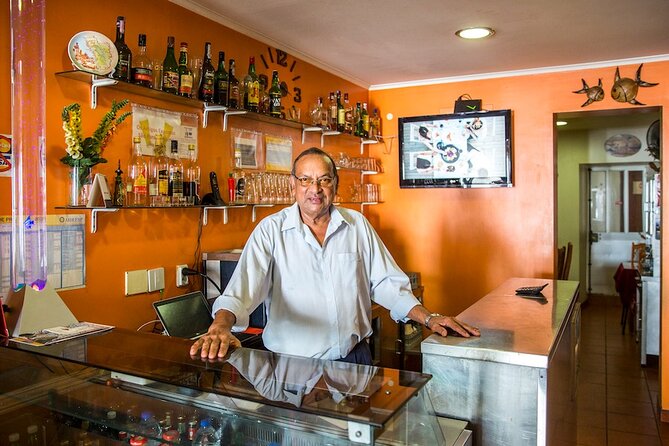
Food tours can be either light and fluffy or serious and educational. This one lives in the middle, which is what I find so useful. You get to taste how Portuguese cooking changed through centuries of contact, movement, and power, and you also hear the uncomfortable side of the story.
The key theme is post-colonial influence, which is not just an abstract concept. It shows up in flavors and cooking techniques, and it also shows up in how communities formed after empire. The tour also directly addresses Portugal’s grim history of slavery, repression, and exploitation. That matters because cuisines do not travel through time on their own. People do, sometimes by choice, sometimes not.
If you are the type who reads menus and wants to know why certain ingredients show up in Portuguese kitchens, you will like the approach. It connects street-level eating with a big-picture story you can actually hold in your hands, or taste on your tongue.
More time in Lisbon:
- Lisbon City Center Tour – The Unmissable Lisbon
★ 5.0 · 22,234 reviews - Lisbon: Sintra, Pena, Regaleira, Cabo da Roca & Cascais
★ 4.7 · 19,656 reviews - Lisbon Card: 24, 48, or 72-Hour Pass
★ 4.5 · 17,944 reviews
Meeting at Praça do Chile, and why the small group format helps
You meet at Praça do Chile 2 in Lisbon (1170 Lisboa) at 11:00am. The tour ends back at the meeting point, so you are not left guessing how to get home. It runs about 5 hours, which is long enough to feel like a real experience, but not so long that you lose the thread of the story.
The group is limited to seven travelers (the listing says max seven), and that changes the vibe. With a small crew, your guide can answer questions without rushing, and you can get to know a few people instead of just sharing the sidewalk. If you are traveling solo, that is a real advantage.
You also get a mobile ticket, so there is no printed ticket hunt. The tour is offered in English, and it is listed as near public transportation. That makes it easier to fit into a day with other plans, especially if you are already using buses or the metro.
How the walk is structured, and what that means for your day
The itinerary is built around short site visits and themed discussions. Each stop is about 45 minutes, except the last one at 1 hour. Admission tickets are listed as free for the named sites, which helps keep your day simple and avoids surprise line items.
Here is how the pacing feels in practice: you move, you pause, you eat, you listen, and you move again. That rhythm helps you absorb the context without feeling like you are stuck in a lecture. It also gives you time to ask for clarification, especially if you have questions about colonial history, Portuguese cuisine, or how ingredients and dishes traveled.
You are also told the experience requires good weather. That is not just a fine-print detail. A walking tour is at its best when the sidewalks are comfortable and you can enjoy Lisbon’s neighborhood atmosphere. If weather is poor, you will be offered a different date or a full refund.
Paço da Rainha: setting the scene before the story gets heavy
Stop one is Paço da Rainha for about 45 minutes. The plan here is to take in the sites as you make your way to a quieter corner of the route. Even without a paid ticket, this kind of start matters. It helps you orient yourself so the rest of the day feels like one connected walk, not random photo stops.
This opening portion is also a mental warm-up for the theme. You are being primed to notice how places and institutions in Lisbon relate to the country’s overseas reach. When you start with that context, the food later hits differently. You are not only tasting; you are also placing those flavors in a bigger story.
A potential drawback of starting with sites like this: if you prefer constant food sampling with no pauses, you might wish the tastings began sooner. The tour keeps moving though, and the schedule does provide food during the overall route.
Another Lisbon day, differently spent:
- Lisbon: Jerónimos Monastery Entrance Ticket
★ 4.1 · 14,164 reviews - Lisbon: History, Stories and Lifestyle Walking Tour
★ 4.8 · 10,902 reviews - Lisbon: Sunset Boat Party Cruise with DJ and Open Bar
★ 4.5 · 10,378 reviews - Lisbon: Sintra, Pena, Regaleira, Cabo da Roca, and Cascais
★ 4.7 · 10,147 reviews
Campo dos Martires da Patria: history and culture you can actually stand next to
Next is Campo dos Martires da Patria, again about 45 minutes. This stop focuses on the history and culture of the city. It is the kind of location where your guide can tie broad themes to the real geography of Lisbon.
I like this choice because it prevents the tour from becoming one-note. Colonial history can feel distant until you connect it to specific urban spaces. When the guide shows you how Lisbon’s culture developed in conversation with other parts of the Portuguese world, you start to understand why certain flavors and ingredients became part of everyday Portuguese cooking.
Also, with a max seven-person group, you can ask questions without feeling like you are interrupting. If you have heard terms like colonization or exploitation before and want them explained in plain language, this is the moment to ask.
Avenida da Fonte Luminosa: the theme talk that ties the tastings together
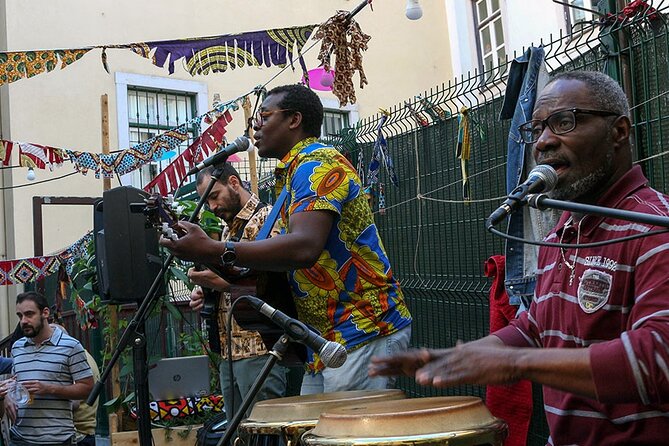
Stop three is Avenida da Fonte Luminosa, about 45 minutes. This is where the guide is set up to discuss the theme of the day and point out key sites along the way.
Think of it as the tour’s backbone. By this point, you have already learned a bit about where you are and what the day is trying to accomplish. This stop gives your guide the room to connect the dots: how post-colonial communities influenced food, and how Portugal’s actions abroad shaped that relationship.
If you care about why dishes taste the way they do, this stop helps you notice patterns. You start paying attention to spice profiles, cooking styles, and the kinds of ingredients that show up across Portuguese-speaking regions. And because the tour does not avoid the darker parts of the story, you also understand that cuisine is not just comfort food. It is also a record of contact, control, and adaptation.
Jardim do Torel: a beautiful pause before the next bite
Stop four is Jardim do Torel, about 45 minutes. This is listed as a beautiful site, and the timing fits well for a slower moment in the walk. The tour also labels this stop as the place where you get the next best bite.
This is the moment I like most on a food-and-history tour. You get a breather, some fresh air, and a change of scenery. Then you shift from listening mode to tasting mode again. Chocolate is specifically listed among the foods included, and this kind of pause is a natural time for a sweet sample.
If you are the type who gets hungry fast, this middle stop helps break up the day. If you are not, it still works because it keeps energy up without rushing you into the heavier final phase.
Largo de Sao Domingos: specialties in the square and a last chance to ask questions
The final stop is Largo de Sao Domingos for about 1 hour. This is a longer segment than the earlier stops, and it is where you will find specialties in the square.
This is a smart way to end. By the time you reach a central public place like this, you have the history context in your head and the flavors in your mouth. You can compare what you have tried earlier to what you are trying now, and the guide can wrap up themes without needing to cram everything into a quick final chat.
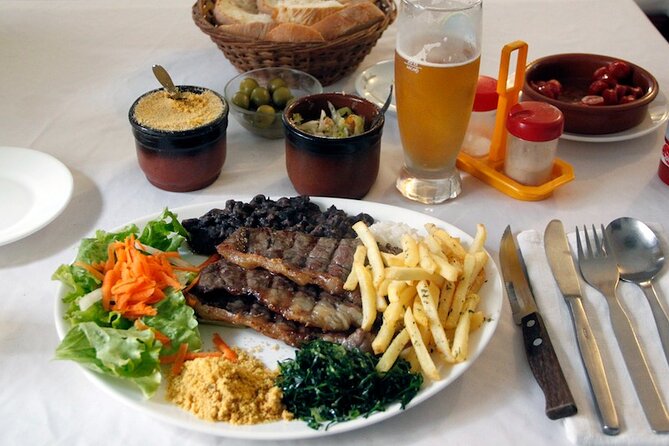
The tour includes tastings like chocolate and chorizo stew, and you should expect to leave full. One review note highlighted how big the meal felt, even after a specific Angola-related restaurant stop closed recently on their date. I cannot promise every day will have the same exact culinary endpoints, but I can tell you the overall structure is designed to keep you eating and learning through the full loop.
A final hour also gives you time to ask those lingering questions. If colonial history is new to you, or if you want clarification on how Brazilian or Goan food shows up in Portuguese contexts, this is often where the guide can answer without rushing.
Price and value: what $150 buys in a small-group, food-heavy format
At $150 per person for about 5 hours, this tour is not the cheapest meal you will find in Lisbon. But it is priced like a real experience, not like a snack walk.
Here is the value logic I see:
- You get a small group experience (max seven), which usually means higher guide attention.
- You get a structured route with multiple stops and tastings built into it, including chocolate and chorizo stew.
- You get educational framing on Portugal’s former colonies and the grim history that shaped relationships.
If you tried to copy this experience on your own, you would likely spend more than you expect. You would pay for individual snacks and meals, plus you would have to do your own research to understand the post-colonial connections behind them. This tour gives you the shortcut.
The other value piece is emotional honesty. If you are willing to handle serious themes, the food becomes more meaningful. That is hard to put a dollar value on, but it is real.
Who should book, and who might skip it
This tour is a great fit if you:
- Want Portuguese food but also want to understand where its influences came from
- Like walking tours that actually explain what you are seeing
- Enjoy small groups where you can ask questions
- Are curious about Brazilian and Goan food influences and how they connect back to Portugal
You might think twice if you:
- Want only light entertainment with zero heavy subject matter
- Have limited interest in history and prefer a purely culinary route
- Are traveling with someone who shuts down when a tour discusses slavery and exploitation
Good news: the tour is offered in English, it runs for about 5 hours, and it is listed as near public transportation. That combination makes it easier to choose even if you have a packed itinerary.
Should you book Lisbon’s Post-Colonial Feast?
I think it is a smart booking for the right traveler: the one who wants to eat in Lisbon while also understanding the post-colonial threads that shaped Portuguese cuisine. The small group size, the food lineup (including chocolate and chorizo stew), and the direct discussion of Portugal’s past make it more than a simple tasting session.
If you are excited by food stories with accountability, this will feel worth the money. If you want a distraction from history, you may find the topic load a bit much. For everyone else, this is one of the best ways to turn a few neighborhoods and a long lunch into something you remember.
FAQ
How long is the Lisbon’s Post-Colonial Feast tour?
The tour lasts about 5 hours (approx.).
How much does the tour cost?
It costs $150.00 per person.
What language is the tour offered in?
The tour is offered in English.
How many people are in the group?
The tour has a maximum of 7 travelers.
Where do we meet, and when does it start?
You meet at Praça do Chile 2, 1170 Lisboa, Portugal, and the start time is 11:00am. The tour ends back at the meeting point.
Do I need good weather for the tour?
Yes. The experience requires good weather. If it is canceled due to poor weather, you will be offered a different date or a full refund.
What is the cancellation policy?
You can cancel for a full refund up to 24 hours in advance of the experience start time. If you cancel less than 24 hours before, the amount paid is not refunded.
Latest reviews from Lisbon
- Private Sailing Cruise in Lisbon with Drinks★ 4.5 · 70 reviews
- Lisbon Food and Wine Tasting Tour of HIDDEN GEMS (Small Groups)★ 4.5 · 70 reviews
- Lisbon: Jewish Quarter Guided Walking Tour★ 4.4 · 70 reviews
- Queer Lisbon – A Treasure Hunt in LGBT History★ 5.0 · 71 reviews
- Lisbon: Ajuda National Palace Entry Ticket★ 4.5 · 71 reviews
- Lisbon Portuguese Food Tour★ 4.5 · 71 reviews
- Lisbon Street Art – Private Guided Tour in a Electric Tuk Tuk★ 5.0 · 72 reviews
- Private Lisbon Walking Tour★ 5.0 · 72 reviews
Lisbon Tours, compared.
Lisbon City Center Tour – The Unmissable Lisbon
Read our review →
Sintra, Pena, Regaleira, Cabo da Roca & Cascais
Read our review →

Sunset Boat Party Cruise with DJ and Open Bar
Read our review →
Sintra, Pena, Regaleira, Cabo da Roca, and Cascais
Read our review →