
Reviewed · PORTUGAL
Pico Mountain: Climb the Highest Point of Portugal 2351m
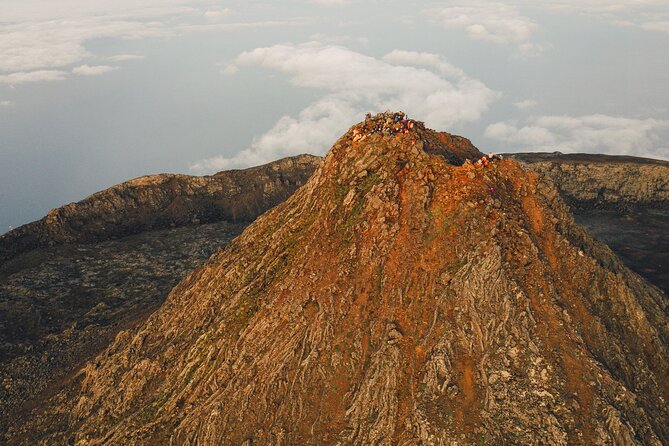
This climb in the Azores is interesting because it takes you to the highest point of Portugal, Pico Mountain at 2351m, with a guided route that stays focused on getting you safely up and down. I like how structured the day feels, with a briefing at Casa da Montanha (1200m) and a clear plan before you start. I also love that you get walking poles and the kind of group size that keeps the guide’s attention on you, not on a crowd.
The main consideration is effort. You’re hiking about 8km on volcanic rock with an average 30% slope, and the tour notes that early breathing changes or balance issues are warning signs. Also, group departures do not include children under 12 or anyone over 60, so you’ll need a different setup if that applies to you.
Key Points Worth Knowing Before You Go
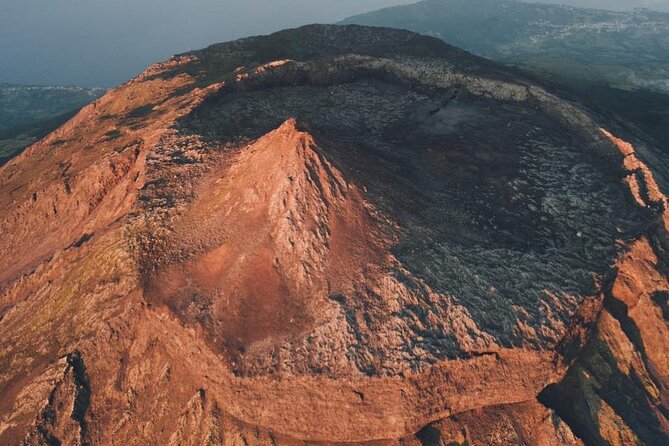
- Summit target is 2351m, the highest point in Portugal, reached in one long guided outing
- Casa da Montanha briefing at 1200m plus equipment review and locator handout before you start
- 8km on volcanic rock with a steep average slope around 30%, built for strong hikers
- Walking poles included, helpful for the long, steep return
- Small group size (max 10), which makes it easier for the guide to manage pace
- Photos and quality video included, so you can hike without constantly stopping for your camera
Pico Mountain 2351m: Why This Summit Still Gets People Moving
Pico Mountain is the headline in the Azores for one very simple reason. At 2351m, you’re not just “going for a hike.” You’re aiming for a real summit, and you’ll earn it with hours of uphill effort on volcanic rock.
The tour is designed for people with good physical condition, even if you do not have mountaineering experience. That matters, because Pico rewards basic climbing fundamentals, not technical gear. You will be hiking, not scrambling with ropes. Still, the route is steep enough that the “no mountaineering needed” line should not trick you into thinking it’s easy.
What makes this experience feel special is the pacing and support built into the structure. You start at Casa da Montanha (1200m), you get a briefing and the tools you need to stay oriented, then you spend the day working through different sections of terrain, with breaks built in so you do not burn out too early.
More time on Pico:
- Pico Island: Whale Watching Experience from Lajes do Pico
★ 4.9 · 723 reviews - Pico Island: Azores Whale & Dolphin Watching on Zodiac Boat
★ 4.8 · 408 reviews - Pico Mountain Climb: Your Path to Portugal’s Highest Point
★ 5.0 · 204 reviews
Starting at Mountain House and Casa da Montanha (1200m)
Your day begins back at the meeting area near Mountain House, Caminho Florestal nº 9, Candelária, Madalena, 9950-000 Portugal, with Casa da Montanha as the key location at 1200m. This is where the guide brings the group together for a briefing.
Here’s what that briefing is for. First, you review the necessary equipment before moving onto the steep part of the climb. Second, you receive your locators. That sounds small, but on a volcanic route where the ground can be confusing, having clear orientation support helps you stay relaxed and follow the guide without second-guessing.
Then the hike begins, with an approximate total duration of about 7 hours for climbing up to 2351m and returning. The tour’s distance target is about 8km, so you can think of it as a concentrated summit day rather than an all-day trek with many hours of flatter walking.
The First Hard Climb: Volcanic Rock and a 30% Reality Check
The trail is entirely on volcanic rock, and the average slope is around 30%. That number is the difference between a scenic hike and a cardio workout. You will feel it in your legs fast, and you will feel it in your breathing even faster.
The tour specifically flags an important self-check: if, in the early part of the trail, you notice an intense change in breathing pattern or a lack of balance, that’s a warning sign. It’s the body telling you that the steepness and uneven footing are pushing beyond what’s comfortable for you.
So here’s the practical way to handle it. Go slower than you think you need to. Save speed for flat sections that don’t exist much on this route. If you’re the type who tends to “start strong,” this is the day to resist that habit. The best summit experiences come from pacing that lets you finish feeling steady on the descent too.
And yes, volcanic rock can be a little unforgiving underfoot. Good hiking shoes matter, and you’ll thank yourself for stability rather than relying on thin soles or slippery tread.
How the Guide Keeps Your Pace Manageable (and Still Gets You to the Top)
One of the most praised parts of this experience is how guides run the day. Names that come up include Raisa, Isabel, Nunu, and Haise. Across guide styles, the pattern is consistent: the pace is managed, breaks are intentional, and the summit is not just a goal, it’s a process that’s handled with care.
You’ll get small breaks, plus at least one longer pause during the climb. That’s not a luxury add-on. It’s how you keep oxygen in your system, prevent sloppy footwork, and keep the group together without turning the hike into a sprint.
Also, you are not hiking in a huge herd. The group max is 10 people, which changes the feel of the route. When the terrain gets steep, the guide can adjust pacing more easily, and you’re less likely to end up isolated or forced into a rhythm that is too fast for you.
What you should aim for mentally is a “steady effort” mindset. You do not want to blow through the early uphill. The later sections and the return are where fatigue tends to show up as rushing, and rushing is when footing and balance issues happen.
Summit Time at the Highest Point of Portugal: Views, Steam, and Standing Still
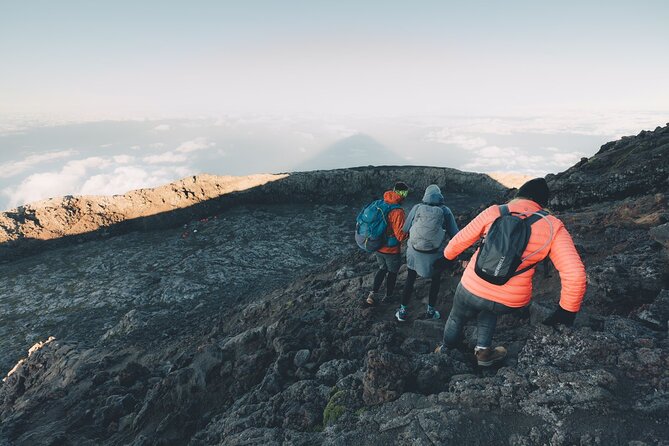
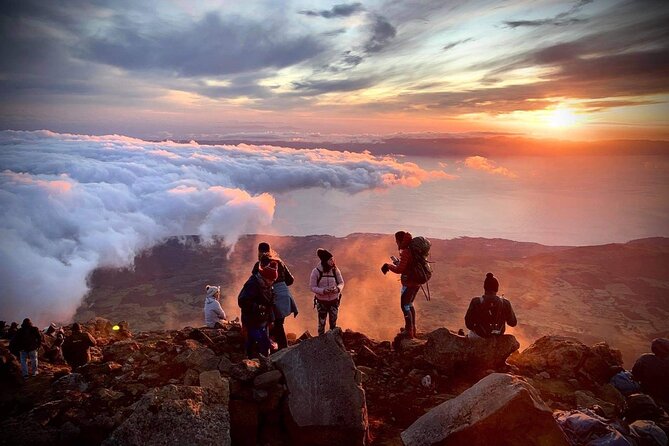
Reaching 2351m is the payoff. On clear days, the top can deliver far-reaching views, including the direction of Terceira and Graciosa. When the weather cooperates, it’s the kind of view that makes you stop moving and actually look around, not just pose for a quick photo.
There’s also a “Pico feeling” you might notice on the volcanic terrain. One guide-led experience described the sensation of hot volcanic steam in some rock fissures. Whether you feel it directly depends on conditions, but it’s a good reminder that this mountain is not just scenery. It is active geology, and the summit area can feel alive in subtle ways.
At the top, your guide’s role shifts from pace-setting to safety and time management. You’ll get time to enjoy the summit, then you turn back. And this is where many hikers learn a hard truth: descending takes just as much focus as climbing. Your legs may feel “less hard-worked” during the descent, but your concentration has to stay sharp because steep volcanic rock punishes slips.
If you want a simple summit checklist, it’s this: drink water early in the day, take breaks when offered, and save enough energy to stay careful on the way down.
Photos and Video Included: Why That’s Worth Factoring In
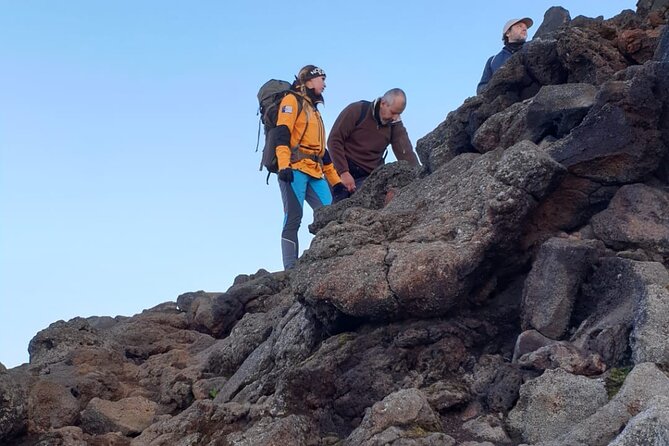
This tour includes quality photographs and videos. That matters more than it sounds, because on a summit hike you’re juggling three jobs at once: hiking, navigating, and remembering the moment.
With photos and video covered, you can spend less time trying to switch camera settings while your legs are working hard. It also helps you avoid skipping breaks just to capture the shot you want. Many of the best moments on Pico are fleeting, especially when weather changes quickly, so having the guide or team handle capture is a real value.
So if you’re traveling with people who like to document everything, or if you just want proof you stood on Portugal’s highest point, this included media is a practical perk, not a gimmick.
Guides With Real Personality: Stories, Pride, and Group Safety
The most consistent praise is about guides who combine competence with a human touch. People mention that Raisa kept the day organized with breaks, snacks, water, and frequent checks that everyone was on track. Others highlight how Nunu supported each group member individually and shared stories about Pico, including people, food, and culture across the surrounding islands.
There’s also a safety-focused vibe that comes through in the way guides talk about limits and pace. One account notes the guide respected different comfort levels and watched for difficulties. Another emphasizes that the guide managed the pace to get everyone to the top and back safely.
This is the kind of detail that changes the experience from a hard hike into a memorable one. If you show up ready to work and the guide shows up ready to manage the group, you get a better day for everyone, including the slower hikers and the faster hikers.
What to Bring for a Steep 7-Hour Summit Day (Meals Not Included)
Meals are not included, so you need to plan on bringing your own food for the day. The hike is long enough that a simple snack strategy helps you finish feeling strong.
You’ll also want water, and based on the kind of guidance you’ll be given on the trail, it’s smart to carry what you need rather than assuming you can fix hunger or hydration issues at the last minute. Guides stop for small breaks during the hike, so having your essentials ready makes those stops productive.
For footing, think stability first. The route is on volcanic rock with steep grades. That means you want shoes you trust on uneven ground, and socks that don’t turn your feet into hot spots. If sun is strong, you will also feel it on long exposed stretches, so plan for sun protection.
And because the tour notes potential early warning signs involving breathing and balance, be honest about how you feel at the start. If you can’t get your breathing under control early, you should tell the guide right away so the plan can adjust.
Price and Value: What $90.74 Covers, and What It Doesn’t
The price is $90.74 per person, and the value is not just the fact that you get a guide. It includes several practical items that add up:
- Professional and experienced guide
- Walking poles
- Personal insurance
- All fees and taxes
- Quality photos and videos
- Locators provided (as part of the start process)
Meals are the one clear exclusion, so the real cost is the base price plus what you bring to eat.
To judge value, focus on what makes this hike expensive elsewhere: expert guidance on a demanding route, equipment like poles that help on steep sections, and the included media. When those are covered, you can travel lighter and spend more energy on the hike itself.
Who Should Book This, and Who Should Choose Something Easier
This is a summit hike, not a casual walk. If you’re aiming for a major cardio challenge on steep volcanic rock and you have the fitness to handle it, this can be a fantastic bucket-list day.
The tour is described as perfect for people in good physical condition, even without mountaineering experience. That points to people who hike regularly, feel comfortable with uphill effort for hours, and know how to pace themselves.
But the tour also has clear group limits. People over 60 and children under 12 are not included in groups. You can request a private activity at a different price if you fall into those categories.
Also be realistic about how the day feels. One account describes it as steep the whole way and an intense cardio workout for hours, and emphasizes that descent requires concentration. If you know steep descents make you tense, or if you’re not used to hiking long distances on uneven terrain, you’ll likely struggle here more than you want.
Weather, Timing, and Getting the Day to Work for You
The hike requires good weather. If conditions are poor and the experience gets canceled, you’ll be offered a different date or a full refund.
Timing can matter too. Some accounts describe very early starts, even before sunrise, which can help keep temperatures manageable and reduce glare on the way up and down. If you’re sensitive to heat, that’s one more reason to take your timing slot seriously.
The best mindset is simple: treat the summit as weather-dependent. If the skies are clear, you get those wide views. If clouds roll in, the mountain can still feel dramatic, but the payoff is different. Either way, the steep work stays the same, so be ready for the physical challenge no matter what the horizon looks like.
Should You Book the Pico Mountain Summit Hike?
Book it if you want a guided summit day to Portugal’s highest point at 2351m, and you are fit enough for a steep 8km volcanic-rock route. I’d also lean toward booking if you like structure: briefing at Casa da Montanha, locators, a small group, planned breaks, and included photos and video.
Skip it or look for an easier option if steep slopes and careful descents stress you out. Also, respect the age limits for group departures, and plan for meals since none are included.
If you’re the type who enjoys tough hikes with real rewards at the top, this is the Azores experience to put at the top of your list.
FAQ
How long is the Pico Mountain climb?
The experience lasts about 7 hours, including hiking to the 2351m summit and returning.
How far is the trail?
The trail is approximately 8km long and the hike is round trip to the summit.
Where do I meet the group, and where do we finish?
You meet at Mountain House, Caminho Florestal nº 9 Candelária, 9950-000 Madalena, Portugal. The activity ends back at the same meeting point.
Is the hike only for experienced mountaineers?
No. It is described as perfect for people with good physical condition, even without any mountaineering experience.
What is included and what is not included?
Included are all fees and taxes, personal insurance, quality photographs and videos, a professional and experienced guide, and walking poles. Meals are not included.
What age limits apply to the group hike?
Participants over 60 years old and children under 12 years old are not included in the groups. A private activity at a different price can be requested.
Latest reviews from Pico
- Pico Island: Azores Whale & Dolphin Watching on Zodiac Boat★ 4.8 · 408 reviews
- Pico Island: Whale Watching Experience from Lajes do Pico★ 4.9 · 723 reviews
- Pico Mountain Climb: Your Path to Portugal’s Highest Point★ 5.0 · 204 reviews