
Reviewed · COOKING CLASSES
Private Lisbon Market Tour & Portuguese Cooking Class with Paula
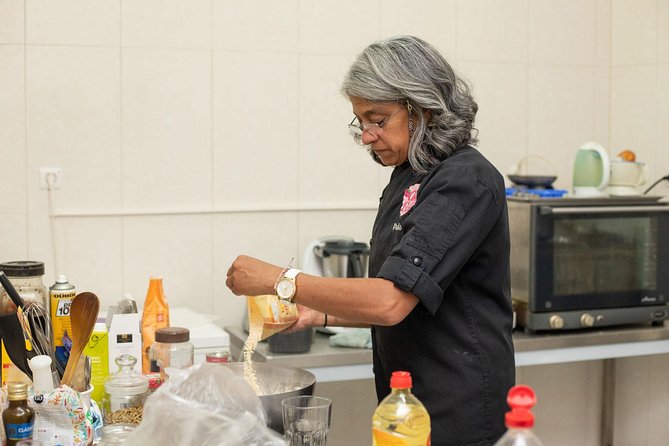
Lisbon can feel like a nonstop checklist. This experience slows you down and puts you in Almada, just across the Tagus, so you can see how locals eat and shop day to day. I like that it’s not a cafeteria-style class, it’s a private market tour plus cooking in Paula’s home kitchen. One thing to consider, this is an in-home setup, and the apartment can be a little cluttered because Paula lives with family and a cat.
The other big draw is the menu choice. You learn 2 to 3 dishes (usually with two appetizers and one main), and you can lean Portuguese or Portuguese-Goan depending on what you want to cook. The possible drawback is that you should arrive with flexible expectations, this is not a slick professional cooking school with a perfectly staged workspace.
If you want a real local morning, a short ferry ride, fresh ingredients, and hands-on cooking with an easygoing host, this is a strong fit. Paula’s warmth comes through in how she teaches, including practical tips like pastry handling and even seafood tricks. Just remember you are stepping into her life, not touring a museum kitchen.
Key highlights you should care about
- Almada market tour with Paula right by a covered market, with years of local shopping experience
- Private cooking with your group and a choose-your-own-menu style, Portuguese or Portuguese-Goan
- Hands-on dishes including cod fritters, Goan gram flour fritters, and a main like bacalhau dishes or curry
- Ferry start from Cacilhas with a scenic river crossing from Lisbon’s downtown side (about 7 minutes)
- In-home meal at the end with dessert plus coffee or tea
- Real-life context from a host who is known in the community and shares local stories
Almada and that ferry ride: the real start of your Lisbon day
What makes this work is timing and setting. You begin at Dá Cacilhas in Almada and you end right back where you started, so your half-day is contained and easy to manage. Paula meets you at the ferry stop in Cacilhas, then you walk about 10 minutes into the neighborhood before you get to her apartment, located just meters from a covered market.
That ferry ride is more than transportation. It’s a gentle reset. You get water views of the river and bridge, and you arrive with less stress than jumping straight into a busy market in Lisbon proper. If your Lisbon days are already packed with trams, viewpoints, and timed tickets, this feels like a calm sideways step.
Also, Almada is a good reminder that Lisbon food culture is not only about the old tiles and museum cafés. It’s about fish counters, fruit stalls, and families doing the same routines, day after day. Paula’s local connections show up in the way she moves through the market, and in the way people recognize her.
One more practical point: the tour includes a private market walk and cooking session that takes about 4 hours 30 minutes. That’s long enough to learn, buy, cook, and eat, but not so long that it eats your whole day.
More Cooking Classes in Lisbon
- Lisbon: Pastel de Nata Baking Class
★ 4.9 · 2,106 reviews - Lisbon: Traditional Portuguese Cooking Class
★ 4.9 · 592 reviews - Lisbon: 2-Hour Pastel de Nata Cooking Class
★ 4.8 · 461 reviews
Meeting Paula at Cacilhas, then walking into a real neighborhood market
Logistics are simple and clear. Your meeting point is at LG Alfredo Dinis, 2800-252 Almada, at Dá Cacilhas, with a 10:00 am start. You then meet Paula at the ferry stop in Cacilhas, and she guides you through a short walk to her home base.
During that market segment, you’re not just shopping. Paula brings the kind of context you rarely get from a standard tasting tour. The market is where ingredients become a story, from how different stalls work to how families keep traditions going across generations. She has been visiting and shopping there for decades, and that shows in how comfortably she asks questions and picks what she wants.
What I like most here is that the market tour sets up the cooking in a way that feels logical. You’re not learning a recipe you already forgot before you reach the stove. You’re choosing ingredients you can actually picture in the dish. That makes the cooking more memorable and, honestly, more forgiving when something needs adjustment.
Tip for you: if you have dietary preferences or menu questions, reach out to Paula directly through WhatsApp. The experience is designed around selecting your dishes, so a quick message ahead of time can help you get what you want.
The cooking class is in Paula’s home kitchen, not a staged school
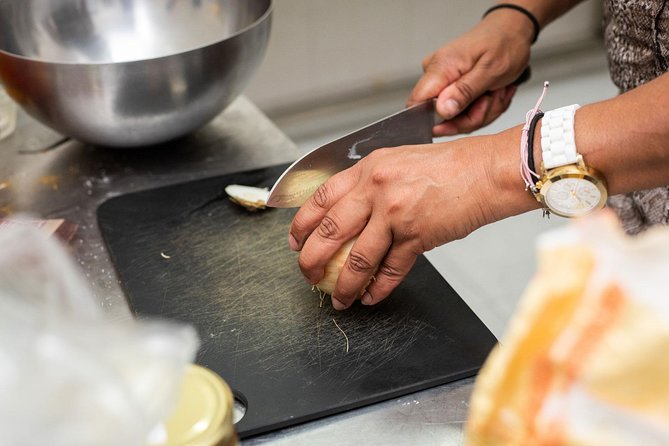
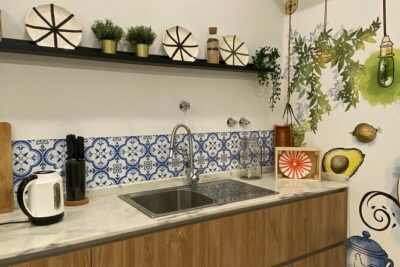
This is the part where your expectations matter. This is not a professional cooking class in a cooking school. It’s an in-home experience in Paula’s kitchen, and that changes the feel immediately. The pacing is relaxed, the instruction is direct, and the setting is lived in.
Some travelers really love that intimacy. They describe it as cooking with someone who treats you like part of the day, not part of a class. You learn techniques in a practical way, like how to handle pastry, how to recognize seafood quality, and how to get the texture right in fritters.
The tradeoff is that the home can be a little cluttered. Paula has a cat, and she lives with family, so the space won’t match the clean-room vibe of a commercial studio. One lower review pointed out extreme cleanliness concerns, but the consistent message is that you should expect an authentic home environment.
My advice: if you’re the type who needs spotless counters and sterile lighting, you might find the setting distracting. If you want real-life Lisbon through food, you’ll likely find it charming, and the cooking will feel more personal.
Choosing your menu: Portuguese or Portuguese-Goan dishes
The menu structure is one of the best value drivers. You don’t just get a single fixed class. You learn 2 to 3 dishes, and you can select between Portuguese and Portuguese-Goan choices for the main course.
Typically, you’ll start with two appetizers. One common Portuguese option is pataniscas de bacalhau, traditional Portuguese cod fritters. For a Goan option, you might make Goan bojas, gram flour fritters with onion and cumin seeds. Those fritters are a great match for an in-home class because they teach technique, not just memorization.
Then you move to the main dish. You can choose Portuguese or Goan, and examples include bacalhau com natas (cod with cream) or Goan crab curry. That choice matters because it steers your whole flavor experience, from dairy richness in Portuguese cod dishes to spice-forward curries in Goan cuisine.
One extra benefit: because you’re learning these dishes in the kitchen where Paula cooks for her own life, you’re not only learning what to do, you’re learning why. You also get small adjustments based on what you pick and what Paula thinks you’ll enjoy.
Another Lisbon day, differently spent:
- Lisbon City Center Tour – The Unmissable Lisbon
★ 5.0 · 22,234 reviews - Lisbon: Sintra, Pena, Regaleira, Cabo da Roca & Cascais
★ 4.7 · 19,656 reviews - Lisbon Card: 24, 48, or 72-Hour Pass
★ 4.5 · 17,944 reviews - Lisbon: Jerónimos Monastery Entrance Ticket
★ 4.1 · 14,164 reviews
What you’ll cook, and why these dishes teach the most
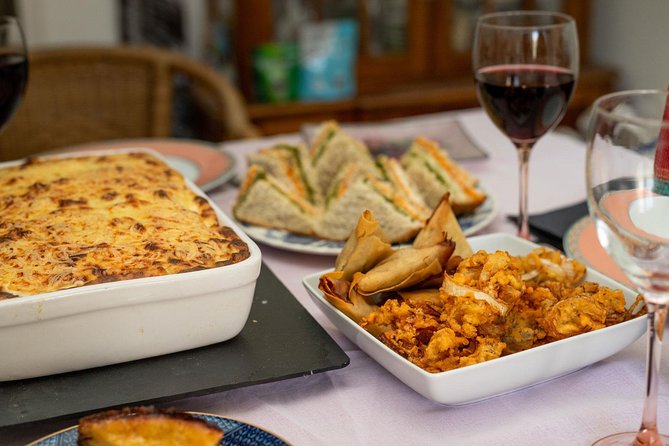
Here’s the core of what you should expect to actually cook, based on the experience design and the way it’s taught.
Appetizers that teach texture and flavor
Pataniscas de bacalhau are a classic. Cod fritters might sound basic, but they teach you how to manage batter, fry temperature, and the balance between crisp exterior and tender inside. In a few accounts, Paula also coached cooks on details that help you avoid common mistakes, like getting seafood right before it goes into the pan.
For Goan flavors, bojas are the highlight. Gram flour fritters with onion and cumin seeds bring a different logic than egg-and-flour fritters. They also show how Portuguese colonial and Indian Ocean influences shaped cuisine in Goa. If you like spice and savory snacks, this is the appetizer that gives you the biggest flavor shift.
A main dish that lets you choose your style
If you choose Portuguese for the main, you might make a bacalhau dish like bacalhau com natas. Cod with cream leans comforting and rich. If you choose Goan, you might cook a curry such as Goan crab curry, which focuses on layering spice and getting a sauce that works with rice.
Either way, the main dish is your “show your work” moment. You’ll do more than assemble. You’ll cook in steps and learn what Paula watches for while she teaches.
Dessert and coffee or tea to finish the loop
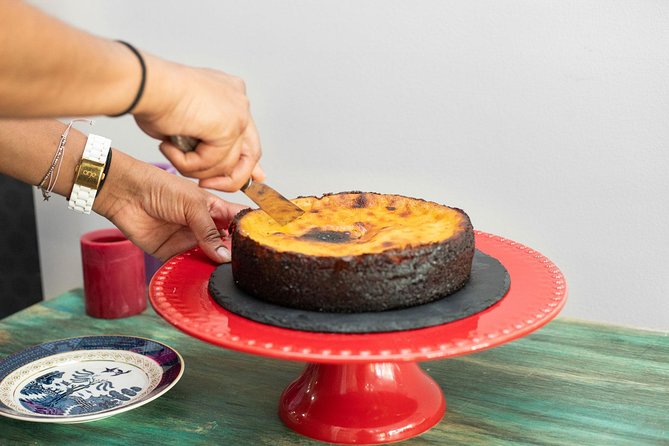
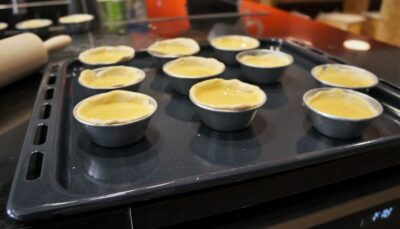
You’ll end with dessert plus coffee or tea. Multiple accounts mention pastéis de nata as part of the sweeter finish, and you also learn enough about pastry techniques to make it feel less mysterious. Even if dessert changes day to day, you should expect a sweet closing that matches the Portugal theme.
The meal at Paula’s table: eating is part of the lesson
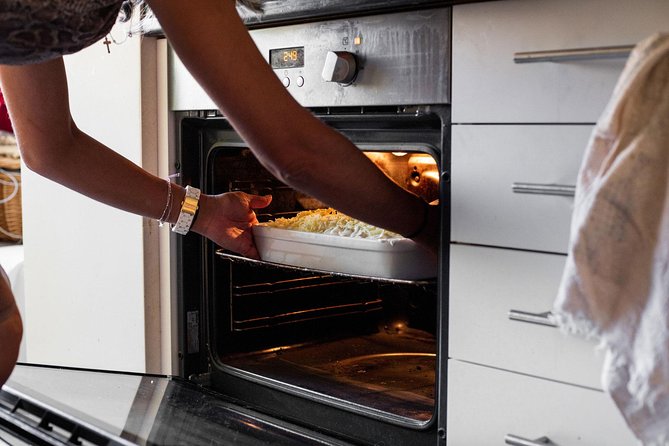
After you cook, you sit down together at the dining table or at a table set up across the street in Paula’s cooking studio. This matters because many cooking tours rush you through the meal. Here, the eating is slower, and conversation is part of the experience.
You’re not just sampling dishes. You’re connecting the flavor to the step you just performed. That’s how you remember recipes later. Cod fritter lessons stick because you felt the batter texture. Curry lessons stick because you tasted the sauce after it changed in the pan.
Paula also shares stories, including local history and personal context. People mention that her backstory is impressive and that she’s a community figure, someone market owners and locals recognize. That’s why the class often feels like more than cooking.
Price and value: what you’re really paying for at $99 per person
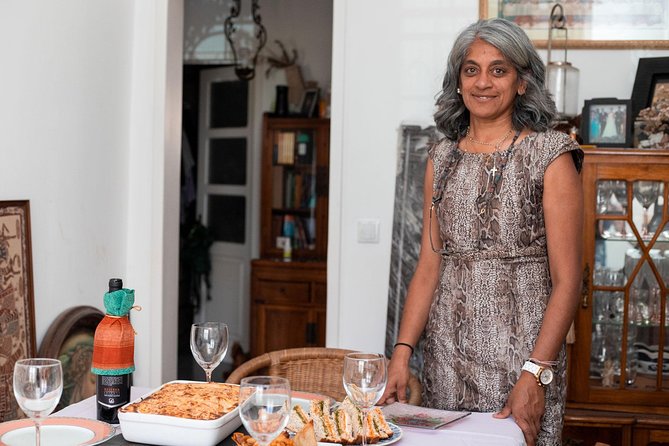
At $99 per person for about 4 hours 30 minutes, the value depends on what you compare it to. If you’re thinking about a commercial cooking school, you might wonder why it costs less or why it feels less formal. But that’s the point. You are paying for a private day in a local neighborhood kitchen, plus ingredient shopping.
You also get market time, not just cooking time. That’s important because it’s a core part of how the experience stays authentic. Buying fresh ingredients locally changes your meal quality, and it changes your understanding too.
Then there’s the private group factor. It’s not a big bus-style group. It’s set up for your group, which means you can ask questions, and Paula can adjust instruction as you go.
Group discounts can also reduce per-person costs if you’re traveling with friends or family. This is one of those tours where the per-person price is easier to justify when you’re not splitting into tiny solo bookings.
Who this Lisbon experience suits best (and who should skip)
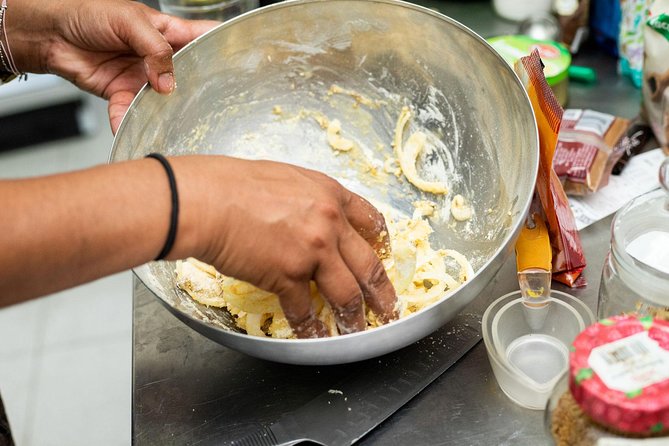
This tour is a great match if you:
- Want hands-on cooking instead of watching from behind glass
- Like food with a cultural angle, not only a recipe list
- Prefer a more relaxed, personal pace over strict time slots
- Enjoy seafood dishes and want to learn practical handling tips
- Want a Portuguese and Goan mix rather than only one tradition
You should think twice if you:
- Need a spotless, hotel-like kitchen environment
- Have very rigid expectations about cleanliness and workspace organization
- Are easily distracted by cats and real household life
Despite those considerations, most accounts rate the experience extremely highly, around 4.8 with strong recommendations. The overall pattern is that the host, the market walk, and the food quality are the reasons people remember it.
Practical tips so your day runs smoothly
A few small things will help you enjoy the day more.
First, wear comfortable shoes. You’ll do a walk through the center of Almada and spend time in and around the covered market. Sturdy footwear matters more here than you might expect.
Second, plan for the in-home setting. You’ll be cooking and then eating in a real apartment environment. That’s part of the appeal, but it’s also why you should pack your mindset accordingly.
Third, communicate early if you have questions about the menu or meeting location. Paula asks you to use WhatsApp for direct questions. That helps you get the dishes you want, especially if you have a strong preference for Portuguese or Goan mains.
Finally, keep the “private” nature in mind. Only your group participates, so the pace is built around you. That can mean fewer bottlenecks and more time for questions.
Should you book this market tour and cooking class with Paula?
I’d book it if your ideal Lisbon day includes a local neighborhood market, a short ferry ride, and a hands-on cooking session that ends with a real meal and dessert. The combination of Portuguese and Portuguese-Goan options, plus the ability to choose a menu direction, makes it feel personal rather than cookie-cutter.
Skip it if you’re sensitive to home-environment quirks, like clutter or a cat being part of the household reality. Also skip it if you want a polished, professional cooking school setup only.
If you land in the middle, this tour is one of the better ways to get beyond Lisbon postcards. You’ll take home recipes, yes, but more importantly you’ll take home the “how” behind the food, from market choices to cooking technique to sharing a table with Paula.
FAQ
Where do we meet Paula?
You start at Dá Cacilhas at LG Alfredo Dinis, 2800-252 Almada. Paula meets you at the ferry stop in Cacilhas.
How long is the experience?
It runs about 4 hours 30 minutes.
What time does the tour start?
The start time is 10:00 am.
Is this a private activity?
Yes. It is a private tour/activity, and only your group participates.
What language is the experience offered in?
The experience is offered in English.
What dishes do we cook?
You learn 2 to 3 dishes, typically including two appetizers such as pataniscas de bacalhau or Goan bojas, plus a main dish where you can choose Portuguese or Portuguese-Goan options like bacalhau com natas or Goan crab curry.
Does the experience include dessert?
Yes. After cooking, you end your meal with a sweet dessert and coffee or tea.
Is it in a home kitchen?
Yes. This is an in-home cooking and cultural experience in Paula’s apartment kitchen, not a professional cooking school.
Are there any rules about animals?
Service animals are allowed. Paula also has a cat, and the home can be a little cluttered because she lives with family.
What is the cancellation policy?
You can cancel for a full refund if you cancel up to 24 hours before the experience start time. If you cancel less than 24 hours before, the amount paid is not refunded.
More Markets in Lisbon
- Lisbon Market and Food Tour with Cooking Class and Lunch
★ 5.0 · 117 reviews - Porto Local Market Visit & Cooking Class / Showcooking
★ 5.0 · 206 reviews - Chef Led Porto Market Tour and Portuguese Tapas Class with Wine
★ 5.0 · 92 reviews
Latest reviews from Lisbon
- Private Sailing Cruise in Lisbon with Drinks★ 4.5 · 70 reviews
- Lisbon Food and Wine Tasting Tour of HIDDEN GEMS (Small Groups)★ 4.5 · 70 reviews
- Lisbon: Jewish Quarter Guided Walking Tour★ 4.4 · 70 reviews
- Lisbon: Ajuda National Palace Entry Ticket★ 4.5 · 71 reviews
- Lisbon Portuguese Food Tour★ 4.5 · 71 reviews
- Queer Lisbon – A Treasure Hunt in LGBT History★ 5.0 · 71 reviews
- Lisbon Street Art – Private Guided Tour in a Electric Tuk Tuk★ 5.0 · 72 reviews
- Private Lisbon Walking Tour★ 5.0 · 72 reviews
Cooking Classes, compared.
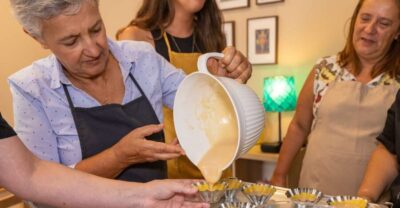
Pastel de Nata Cooking Class with Grandma’s Recipe
Read our review →
Pastel de Nata Cooking Class with Port Wine – Sé
Read our review →
Lisbon Portuguese Cooking Class with 3-Course Dinner
Read our review →
Pastel de Nata Cooking Class with Porto Wine (Sé do Porto)
Read our review →Browse the lists this tour appears in