If you want Lisbon food without the usual sightseeing-and-sprint routine, this half-day seafood walk in the Port Zone is a smart choice. I like how it uses local stops and a small group size to keep things personal, and I like that you get guided tastings you would not easily stitch together on your own. One important consideration: expect some walking with uphill stretches, so comfortable shoes matter.
What makes this work so well is that you learn while you eat, from market history to neighborhood food culture. Guides such as Laura and Kika are described as warm, story-first, and focused on the people behind what you taste, so you leave with more than a full stomach.
Key Points You Will Care About
- Small group (max 7 people) means more questions, more chatting, and less time waiting around
- Port Zone seafood focus takes you into neighborhoods most food seekers skip
- Time Out Market is your launchpad, with seasonal products and quick orientation
- Lunch plus coffee/tea and alcoholic drinks are included, not just a few bites
- Pacing with variety includes markets, landmarks, a park viewpoint, and multiple seafood-oriented stops
Song of the Sea’s Real Value, More Than a Food List
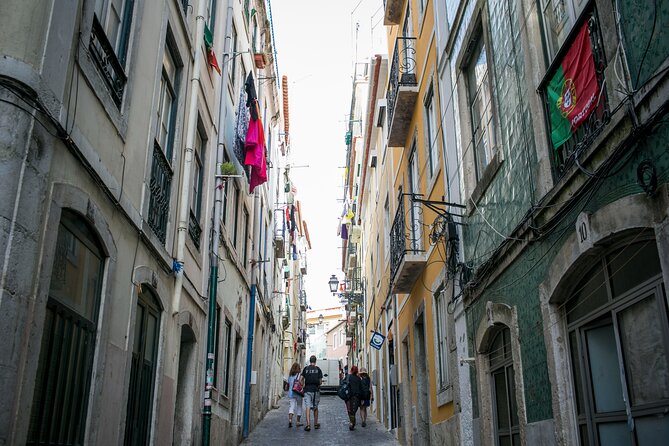
This is not a “show up, eat three things, move on” tour. It is a guided route through Lisbon’s seafood-and-tradition lanes, built around places like Time Out Market, Alcântara-Mar, and viewpoints where food culture feels lived-in. You are buying a local guide’s context, so every bite comes with a reason, not just a flavor description.
For $150 per person (about five hours), the value comes from the mix of included meals and drinks plus the guide-led access to smaller producers. You get snacks, bottled water, coffee and/or tea, lunch, and alcoholic beverages. That matters because you are likely to spend similar money piecing it together solo, but without the backstory or the “where do I go next” headache.
The route also has a strong “Port Zone” logic. Instead of bouncing across the city, you build one storyline across connected areas, so you understand how food habits and neighborhoods overlap.
More time in Lisbon:
- Lisbon City Center Tour – The Unmissable Lisbon
★ 5.0 · 22,234 reviews - Lisbon: Sintra, Pena, Regaleira, Cabo da Roca & Cascais
★ 4.7 · 19,656 reviews - Lisbon Card: 24, 48, or 72-Hour Pass
★ 4.5 · 17,944 reviews
Time Out Market Lisboa, Your Meeting Point and Food Start Line
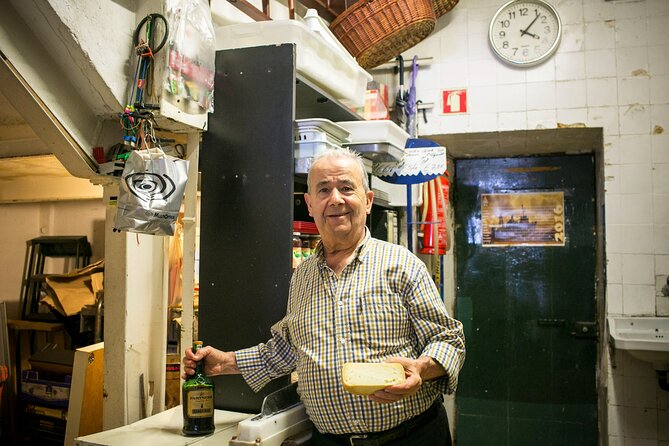
Your day begins at Time Out Market Lisboa (Mercado da Ribeira) near Av. 24 de Julho. This is a good meeting point because it is easy to find by public transportation and it sets expectations fast. The guide starts you with a little history and gives you a sense of what seasonal products are showing up.
Then comes the food part. You will try some of the best seasonal items right at the start, which is a practical move. You get your bearings, get fed early, and you avoid the trap of starting a food walk too late in the morning with empty momentum.
One more thing I appreciate about starting here: it helps you understand Lisbon’s market energy without turning the tour into a lecture. The goal is that you can connect what you see at Time Out Market to what you will later find in smaller local food spots.
Practical tip: show up hungry, but not starving. Early tastings are still tastings, not a full meal, and you have more stops ahead.
Chafariz da Esperança, Lesser-Known Stops Around a Lisbon Landmark
Next you head toward Chafariz da Esperança, where you spend about an hour in the surrounding area. This is the kind of stop that works because you are not just looking at a landmark, you are using it as a route marker. You get to walk streets around a famous water feature, then the guide steers you to quieter food corners you likely would not pick on your own.
This part of the day can include a coffee pause. Even if you already know Lisbon has good espresso, this stop is useful because it turns caffeine into part of the food narrative. You get a break, you meet more of the neighborhood rhythm, and you keep your energy for the next tastings.
A drawback to consider here is subtle: this segment is still walking, just in a different “slower” neighborhood mood. If you have low endurance, plan to take it steady and do not try to keep up with anyone who is sprinting for photos.
Jardim 9 de Abril, A Park Stop That Turns into a View-Based Tasting
After the landmark area, you reach Jardim 9 de Abril, a park stop with an hour on the schedule. The key idea is simple: you get a viewpoint, then you eat. The park lets you pause and look over what is coming next, which makes the route feel connected rather than random.
This stop includes admission, which is a small detail that helps the flow. You do not need to figure out how to access the place or wait in line for tickets. It is also a nice moment for conversation with your guide while you take in the perspective.
If you like food walks that feel like a story, this is the chapter break. Markets and shop fronts are one thing, but a park stop gives Lisbon space to breathe, and it makes the rest of the tour easier on your legs.
Another Lisbon day, differently spent:
- Lisbon: Jerónimos Monastery Entrance Ticket
★ 4.1 · 14,164 reviews - Lisbon: History, Stories and Lifestyle Walking Tour
★ 4.8 · 10,902 reviews - Lisbon: Sunset Boat Party Cruise with DJ and Open Bar
★ 4.5 · 10,378 reviews - Lisbon: Sintra, Pena, Regaleira, Cabo da Roca, and Cascais
★ 4.7 · 10,147 reviews
Alcântara-Mar, Where Seafood Culture Gets Real (And Local Shop Owners Matter)

Then you hit Alcântara-Mar, and this is the part you will likely talk about later. You spend about an hour here, and the focus shifts to seafood, plus time to meet shop owners when they are around. That “meet the people” element is where the tour earns its reputation for being personal.
The seafood focus is not just about tasting fish. It is about understanding how small businesses survive, what they prioritize, and why certain products become part of local identity. In a review, the guide experience is described as diverse, and that matches what you should expect here: sweet and savory bites, multiple flavors, and plenty of context.
If you enjoy chatting with store owners and learning what to look for at a counter, this is your sweet spot. You will probably come away with a clearer mental checklist for Lisbon seafood, like what types to try first and how to talk about it with confidence.
Tip: this is one of the places where you might be tempted to buy extra food. If you want to take something home, plan your timing so you are not juggling bags during later walking.
Museu Nacional de Arte Antiga Area, Food Without the Museum Visit
The final content-heavy stop is near Museu Nacional de Arte Antiga. You do not go into the museum itself, but you still get a food-focused visit around the area, with about 45 minutes scheduled.
This is a smart way to balance interests. You still get the feel of a cultural zone, but you protect time for tastings. For me, that is a sign the tour is designed around the food experience, not a “grab your ticket and sit in a museum” diversion.
You might find great eats in the perimeter of museum neighborhoods, because those streets tend to attract a mix of locals, students, and older institutions. The guide uses that setup to point you to food spots you would likely miss if your plan was only about the museum checklist.
The practical takeaway: treat this as your last chance to taste, so do not assume you can coast. If you want to try one last thing, ask the guide what pairs best with the route so far.
How the Tastings and Included Meals Work
One of the most useful parts of this tour is that you get a full feeding plan, not random snacks. You can expect snacks throughout, plus lunch. You also get bottled water and coffee and/or tea, and the inclusion of alcoholic beverages means you can sample local pairings without paying extra at each stop.
Because you are in a small group of up to 7 people, the guide can pace tastings so you are not overwhelmed. That is also why the experience tends to feel personal, with time for questions about Portuguese food habits and the story behind producers.
From the reviews, the guide’s approach stands out: people describe leaving with both taste variety and new information about Portuguese diet and how it developed. That matters because Portuguese food is not just a set of dishes, it is a way of using ingredients, cooking traditions, and seasonal availability.
If you have dietary needs, check before booking, since the data you have here does not spell out vegetarian, gluten-free, or seafood-free options. You should also be ready for the fact that this is a fish and seafood-focused concept, so it may not suit everyone.
Walking Realities, Timing, and Weather Dependence
This tour is about five hours starting at 9:45 am. It ends around Alcântara, so you finish closer to the port-side neighborhoods than where you started. The route stays walkable, but the word used for fitness is moderate physical fitness, which lines up with reviews that mention uphill stretches.
So here is your practical checklist:
- Wear comfortable shoes you trust on uneven streets
- Bring a light layer, Lisbon mornings and late spring can shift quickly
- Plan to eat slowly when the guide offers tastings, so you do not get stuffed too early
Weather matters. The experience requires good weather, and if it gets canceled due to poor weather you will be offered a different date or a full refund. If you are visiting in a rainy season, still book with confidence, but understand you might need flexibility.
Price and Value, What $150 Buys in Lisbon
Let’s talk money like a realist. $150 per person is not cheap for a city walk, but it is easier to justify here when you look at what is included. You get:
- Lunch
- Coffee and/or tea
- Alcoholic beverages
- Snacks and bottled water
- A local guide leading you to multiple stops across the Port Zone
If you try to recreate this yourself, you will spend on food and drinks anyway, then spend time trying to find the right places and figure out when to go. A guided route also means you get a clean sequence, so you are not guessing which neighborhood pairs best with the next bite.
What seals the deal is the small group size. In larger tours, food tasting can become assembly-line style. Here, the cap at 7 people supports a more conversational pace, which is a big part of why people rate it so highly.
Who This Tour Fits Best
This experience is a great match if you want Lisbon seafood in a way that feels like it has roots. You are not just trying dishes, you are learning how Lisbon eats, shops, and talks about food.
It also fits well if you like:
- Markets and local producers
- Walking through neighborhoods beyond the main postcard stops
- A guide who turns food into stories
It may not fit as well if:
- You hate walking or have limited tolerance for uphill sections
- You want a mostly indoor experience
- You are looking for a museum-heavy itinerary, since you do not actually enter the museum
If you are traveling with a group that wants food plus conversation, this is a nice middle ground between a casual stroll and a full structured tour.
Should You Book Song of the Sea?
My take: book it if you want your Lisbon seafood day to be guided, generous, and genuinely local-feeling. You get strong value because meals and drinks are included, and the route keeps you moving through the Port Zone logic instead of scattering across the city.
I would skip it only if your priority is a slow scenic walk with minimal effort, or if you do not want fish and seafood at the center of the experience. Otherwise, this is the kind of tasting tour that teaches you how to shop and order in Lisbon, so the food continues after the tour ends.
FAQ
How long is the Song of the Sea tour in Lisbon?
The tour lasts about 5 hours.
What time does the tour start, and where does it meet?
It starts at 9:45 am. You meet at Time Out Market Lisboa, Mercado da Ribeira, Av. 24 de Julho, 1200-479 Lisboa, Portugal.
Where does the tour end?
The tour ends around Alcântara, 1350-279 Lisboa, Portugal.
How many people are in the group?
The maximum group size is 7 travelers.
Is the tour offered in English?
Yes, the tour is offered in English.
What is included in the price?
Included are snacks, bottled water, coffee and/or tea, lunch, and alcoholic beverages.
Is private transportation included?
No, private transportation is not included.
What fitness level do I need?
You should have a moderate physical fitness level.
Is the tour affected by weather, and what happens if it’s canceled?
The experience requires good weather. If it is canceled due to poor weather, you will be offered a different date or a full refund.
What is the cancellation policy?
You can cancel for free up to 24 hours in advance for a full refund.
Latest reviews from Lisbon
- Private Sailing Cruise in Lisbon with Drinks★ 4.5 · 70 reviews
- Lisbon Food and Wine Tasting Tour of HIDDEN GEMS (Small Groups)★ 4.5 · 70 reviews
- Lisbon: Jewish Quarter Guided Walking Tour★ 4.4 · 70 reviews
- Queer Lisbon – A Treasure Hunt in LGBT History★ 5.0 · 71 reviews
- Lisbon: Ajuda National Palace Entry Ticket★ 4.5 · 71 reviews
- Lisbon Portuguese Food Tour★ 4.5 · 71 reviews
- Lisbon Street Art – Private Guided Tour in a Electric Tuk Tuk★ 5.0 · 72 reviews
- Private Lisbon Walking Tour★ 5.0 · 72 reviews
Lisbon Tours, compared.

Lisbon City Center Tour – The Unmissable Lisbon
Read our review →
Sintra, Pena, Regaleira, Cabo da Roca & Cascais
Read our review →



Sunset Boat Party Cruise with DJ and Open Bar
Read our review →
Sintra, Pena, Regaleira, Cabo da Roca, and Cascais
Read our review →