
Reviewed · PORTUGAL
Pico Mountain Climb: Your Path to Portugal’s Highest Point
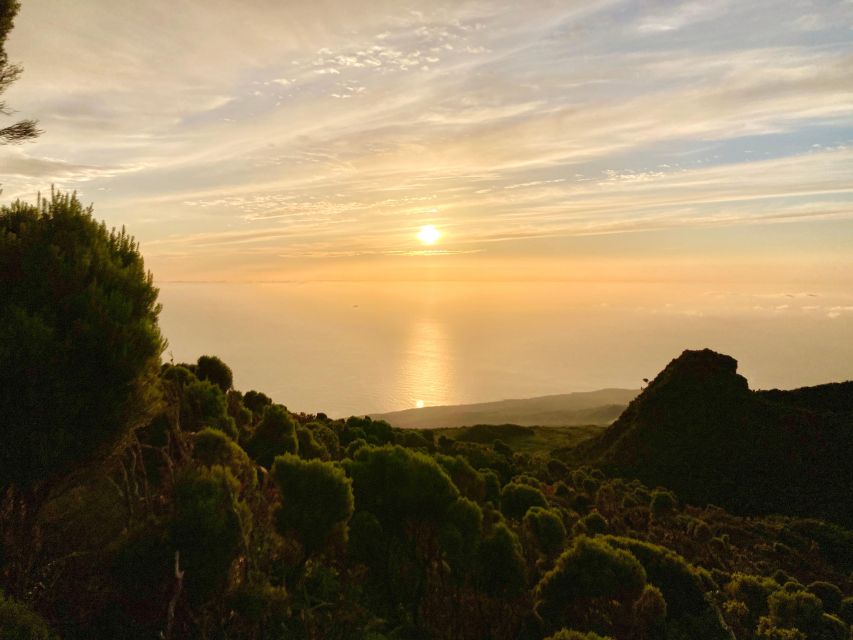
Pico Mountain Climb is interesting because it turns Portugal’s highest point into a very real, very physical day in a volcanic world. I love the Certified Pico Mountain Guide approach, with clear safety guidance and route choices that matter on uneven rock. I also love the payoff at Piquinho, where weather can change fast and the views still feel huge.
One possible drawback: this is not a casual hike. The terrain gets steep, the ground shifts from mud to solid to loose rock and sand, and the descent is often the hardest part on your legs and knees.
Key Highlights
- Certified guides who help you move safely on narrow, rocky slopes
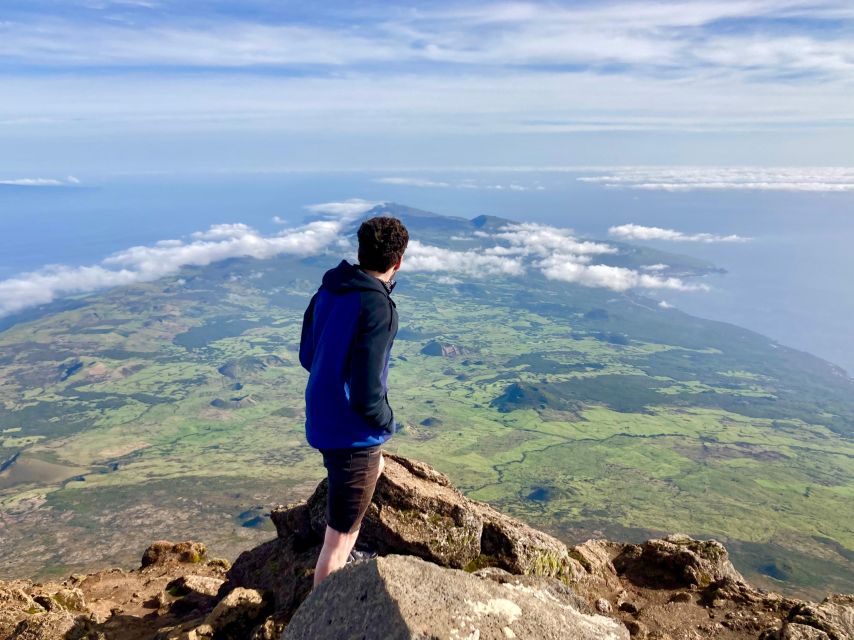
- 2351m summit views over the central Azores islands when weather cooperates
- Real mountain time, about 8km with 1100m up and 1100m down
- Technical last push, including the hands-on climb for the final 15 minutes
- Volcanic terrain variety, from mud and rock to loose sand and grit
- Snack-and-warmth moments on the route, including hot tea and homemade brownies
Why Pico’s Summit Feels Like a Real Mountain Day
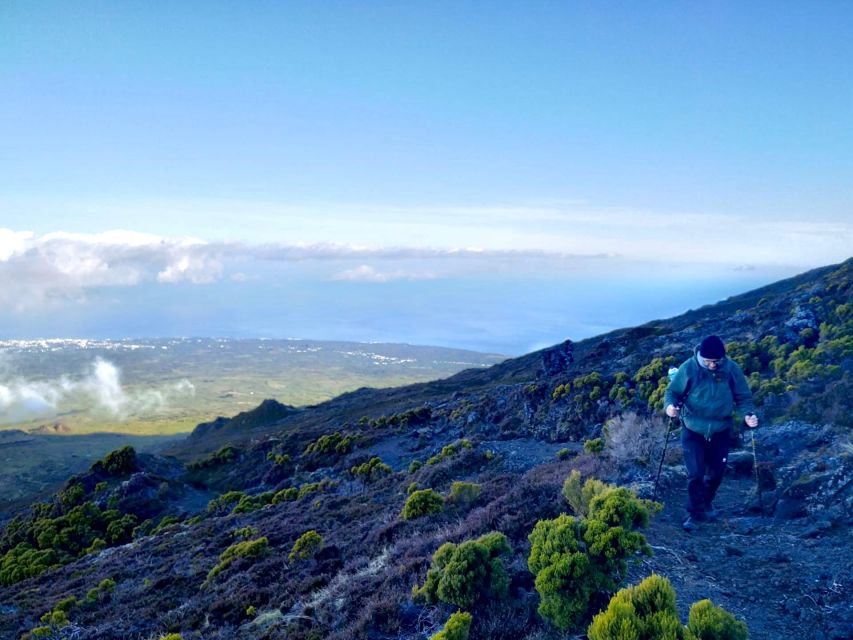
If you want a mountain climb that feels authentic, this one delivers. You’ll start on managed trails, then work your way through native vegetation and into dramatic geological structures shaped by Pico’s volcanic past.
What makes it special is the mix of challenge and guidance. You’re not just walking, you’re learning how to place your feet, balance on shifting ground, and pace a steep climb for a group. And when you reach the top, the view isn’t just pretty, it’s the kind of immensity that makes your brain go quiet for a minute.
The highest point is Piquinho at 2351m, and the minimum elevation along the route is around 1250m. Depending on conditions, you can sometimes see other islands in the central group, and even in cloudier weather you still get a rewarding summit moment.
More time on Pico:
- Pico Island: Whale Watching Experience from Lajes do Pico
★ 4.9 · 723 reviews - Pico Island: Azores Whale & Dolphin Watching on Zodiac Boat
★ 4.8 · 408 reviews - Pico Mountain: Climb the Highest Point of Portugal 2351m
★ 5.0 · 187 reviews
Meeting at the Mountain House, Then Getting Your Feet Ready
The day starts at the Mountain House. You meet your guide inside there, then get a safety briefing before you move. That briefing matters because the mountain reserve is strict about footwear and because this is the kind of hike where one bad step can turn into a long problem.
From there, you’ll enter the Mount Pico Natural Reserve, and the climb begins. Even before you hit the steep section, you’ll get a feel for the style of terrain you’re walking on, uneven ground that demands attention.
Two small things I appreciate here: you’ll get practical instructions, and you’ll learn what your guide expects from your pace. In the real world, that helps you avoid the common mistake of going out too fast on the easier-looking early segments.
Into Mount Pico Natural Reserve, Flora and Lava Layers
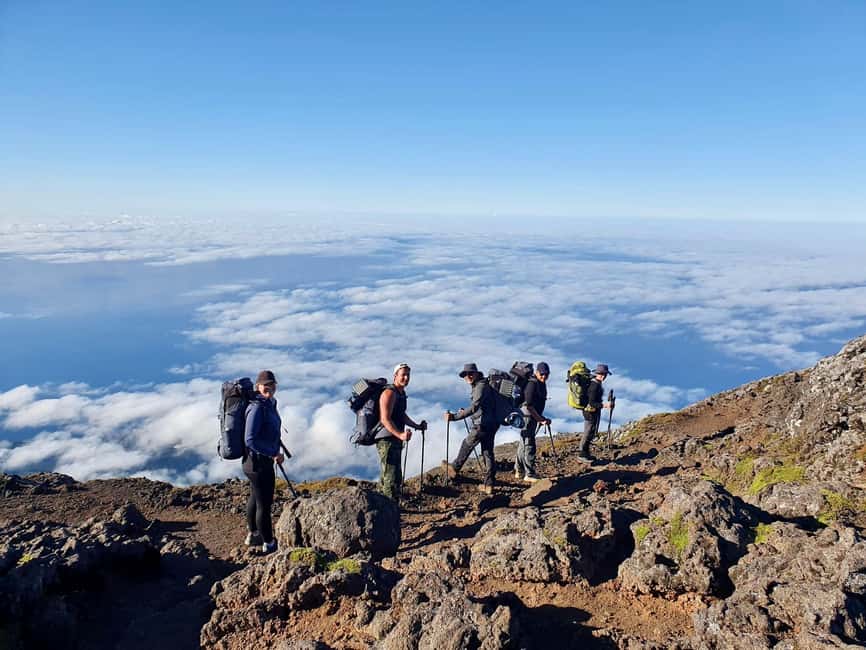
The first part of the hike is a strong indicator of what’s coming later. If you struggle here, your guide may tell you to stop for safety and for the group. It’s a useful reality check, because Pico isn’t a place to “push through” blindly when the footing gets hard.
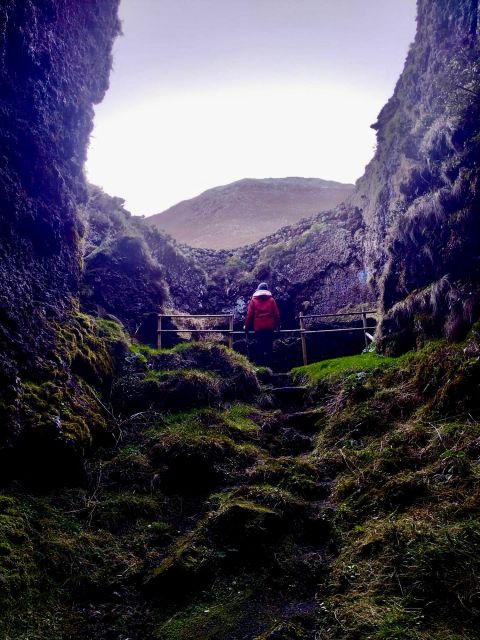
As you climb, you move through lush native vegetation. This is not just scenery, it also signals you’re still in a zone shaped by Pico’s climate and volcanic landscape rather than a cleaned-up, manicured trail system.
Then the route merges into major geological structures. Your guide will share what you’re seeing, including how the terrain changes as you gain elevation. That makes the hike feel more like understanding a place rather than just conquering it.
The 8km Ascent, and Why the Middle Gets Serious
The full route is listed at about 8km with roughly 1100m ascent and 1100m descent, and your total time is around 8 hours. You’ll be hiking much of that time, with breaks, and the biggest shifts come in the middle of the climb.
The crater approach is described as a 3-hour climb portion, and it does not stay uniform. You’ll walk over different types of ground: mud, then solid rock, then loose rock and sand. This is where the guidance really pays off. When the surface changes, your foot placement changes too, and a good guide helps you keep control instead of fighting the mountain.
One practical detail: you should expect to feel the hike in your whole body. Steep slopes recruit your quads and calves fast, and loose surfaces make you use small stabilizing muscles you might not think about during easier walks.
If you’re the type who loves to “power up,” this is where you’ll learn to work smarter. The better approach is steady, controlled effort. Your guide will likely break the climb into chunks so the group keeps a manageable pace.
The Hands-On Last 15 Minutes to Piquinho
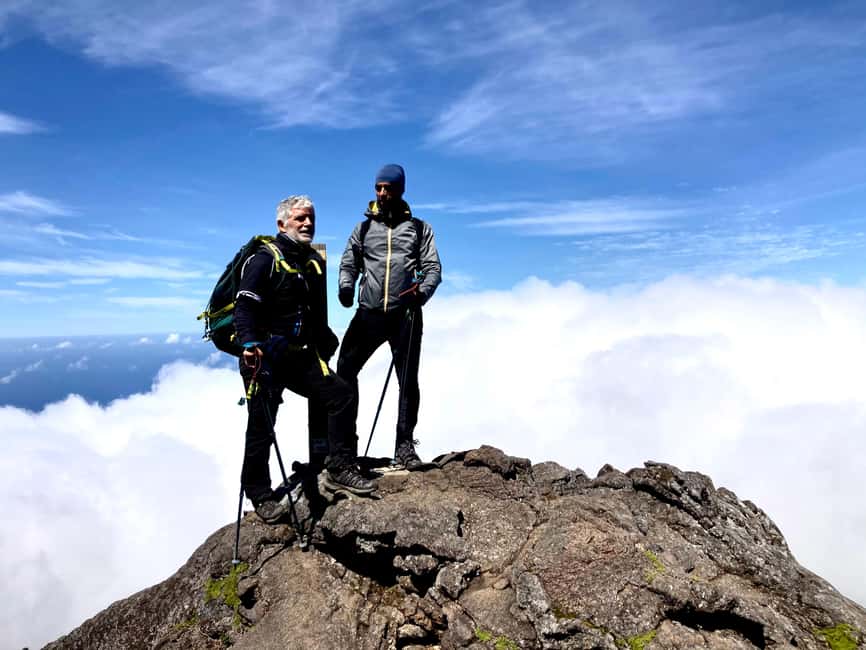
The last stretch has a clear warning built in: the final 15 minutes to the top require using your hands for stability. That doesn’t mean it’s a rock-climbing session, but it does mean you should be comfortable leaning into the terrain, using your arms to keep balance.
This part is why shoes matter so much. You need grip, and you need confidence when the surface turns inconsistent. If you try to do this in the wrong footwear, you’ll feel it immediately, and in fact entry to the reserve can be refused if you do not wear proper hiking shoes with good sole grip.
I also like that guides treat this section as normal work, not a dramatic obstacle. If you follow the line your guide shows and keep your breathing steady, you’ll get there.
Summit Time, Big Central-Island Views When Weather Cooperates
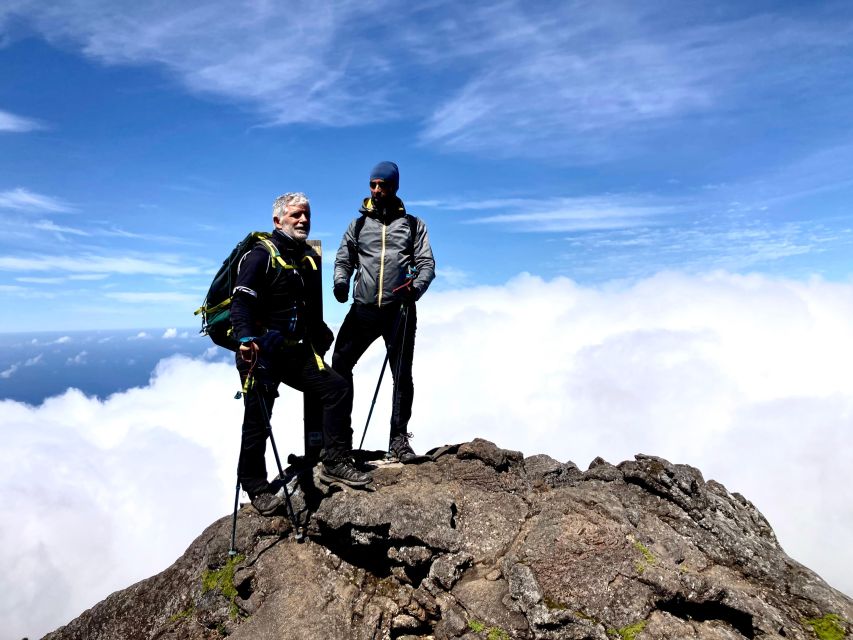
Reaching the top is often when people feel invincible, and I get why. You’ve done the hard parts, and now you can finally look around and appreciate what the climb cost you in effort.
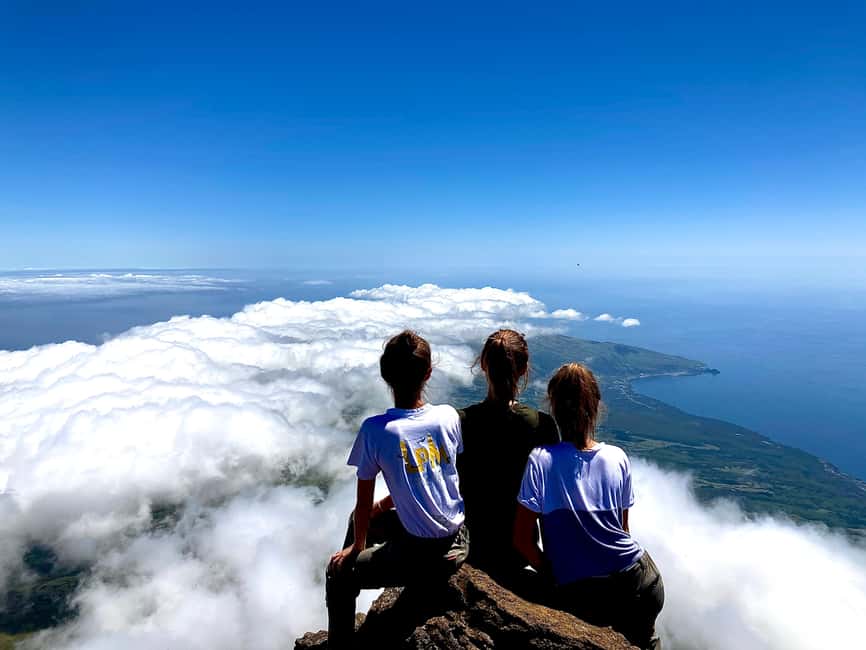
At Piquinho, the view can be spectacular. Depending on the weather, you may see all the islands of the central group. Even when clouds move in, the summit still delivers because you’re sitting on Portugal’s highest point, above the zones you worked through for hours.
This is also where guides often add small comforts. In the experiences shared with this tour, guides like Steffi and Nilton are known for warm breaks, including hot tea and homemade brownies. It’s not the main event, but it’s a genuinely nice moment, especially in wind or cool cloud cover.
Then the descent starts. And yes, that’s the part to respect.
The Descent: 3 to 4 Hours That Tests Your Legs and Focus
The return trip takes about 3 to 4 hours and follows much of the same general path as the ascent. The big difference is your body is already tired, and your focus shifts to control.
The descent can be very difficult for inexperienced hikers. The route is narrow in places, steep, and rocky, and the wrong technique can turn into knee pain fast. Guides usually give tips for handling the terrain, like where to place your feet, how to keep balance, and how to slow down when the surface turns loose.
One honest way to plan: think of this day as two climbs. The first one is the uphill effort. The second is the downhill skill test. When people finish and feel proud, it’s often because they survived that second half with smart movement.
If you have a history of knee problems, back issues, or you know you get rattled on steep slopes, take that seriously. This tour’s own suitability notes are clear that it’s not for everyone, including people with back problems, recent surgeries, and respiratory or heart issues.
Pace, Fitness Level, and Who Should Consider Another Option
The activity has a difficulty profile that’s useful if you match yourself to it. Physical effort is rated 3, and technical difficulty is 2.5. In plain terms: it’s hard work and it asks for coordination and balance.
It is also not suitable for a wide range of people: children under 12, people over 70, pregnant women, anyone afraid of heights, people with recent surgeries, and those with low fitness or respiratory issues are listed as not suitable. That isn’t trying to scare you, it’s trying to keep you safe.
Also, be realistic about weather. This climb is weather-dependent and can be cancelled just before the activity starts. On Pico, conditions can change quickly, so you need rain gear and you need to accept that your day’s weather plan may adjust.
Based on what I’ve seen described, the early part can feel steady for some reasonably fit hikers, while others find the whole thing challenging. Either way, you should treat it as a real mountain climb, not a long walk.
Gear That Actually Changes Your Day on Pico
Here’s what you should bring, because it’s explicitly listed and it matters for comfort and access:
- Hiking shoes with good grip on the sole (mandatory for reserve access)
- A daypack
- Water
- Food
- Rain gear
- Sunscreen and sunglasses
- Weather-appropriate clothing
And a quick footwear reality check: sports shoes are not allowed, and pets are not allowed (assistance dogs are allowed). This is one of those activities where the mountain reserve rules are part of the experience.
I’d also suggest hiking poles. You get them included, which is great for stability on loose rock and for saving some stress on the knees during the descent. Even if you feel confident, poles help you control your rhythm instead of constantly rebalancing.
Price and Value, What $100 Buys You Here
The price is about $100 per person. Is that “cheap”? Not really. But it’s also not a random hike with a person walking in front of you. What you’re paying for is a certified Pico Mountain Guide, reserve access, and practical safety support over changing terrain.
Included in the cost you get:
- A certified Pico Mountain Guide
- Natural Reserve access fee
- Hiking poles
- Allianz Personal Accident Insurance
- A certificate
That mix is why it’s good value for the right traveler. If you attempt Pico without a guide, you’re doing extra risk management on your own. With a guide, you get route judgment, pacing support, and help when the terrain shifts from mud to rock to sand.
If you’re already very experienced with steep volcanic terrain, you might feel fine without a guide. But the hands-on last stretch, plus the knee-taxing descent, is exactly where having a guide tends to feel worth the money.
Weather, Language, and Small Details That Make It Easier
Guides run the experience in English, Dutch, and Portuguese, and you meet them at the Mountain House. If you prefer a specific language, that’s one more reason to confirm your session details when you book.
Because the activity is weather-dependent, plan for flexibility. If conditions are unsafe, the hike may be cancelled close to start time. That’s part of responsible mountain operations, not a marketing surprise.
On the day itself, the tour structure helps. The climb is typically broken into manageable sections, and guides adjust pace so the group can stay together without rushing people into bad form.
Should You Book the Pico Mountain Climb?
Book it if you want a serious, real mountain challenge with guided safety, volcanic terrain, and summit views that feel earned. You’ll get the best experience if you have solid hill-walking fitness, good balance, and you can handle steep sections plus a tough downhill.
Skip it if you’re sensitive to steep rocky terrain, you’re prone to knee issues on descents, or you fall into the listed “not suitable” categories. Also skip it if you hate heights, even if you think you can talk yourself into it. Pico takes you where you must use your hands at the top, and that’s not a place for doubt.
If you’re the kind of traveler who likes learning while moving, guides such as Steffi and Nilton bring the mountain to life with explanation about flora and geology, plus practical tips for the climb and descent. For many people, that combination, plus the real summit payoff at 2351m, is exactly why Pico belongs on the Azores list.
FAQ
How long is the Pico Mountain Climb?
The duration is listed as 8 hours.
Where do I meet the guide?
You meet your guide inside the Mountain House.
What is the maximum height on this hike?
The maximum height is 2351 meters at Piquinho.
How steep is the climb?
The route is listed as 8km with about 1100m of ascent and 1100m of descent.
Is the climb technical?
It has technical difficulty rated about 2.5, and the final 15 minutes require using your hands for stability.
What should I bring?
Bring hiking shoes, sunscreen, a daypack, water, food, sunglasses, weather-appropriate clothing, and rain gear.
Do I need special footwear?
Yes. Hiking boots or hiking shoes with good grip are mandatory, and the Natural Park may refuse access if you do not have the right footwear.
Are hiking poles included?
Yes, hiking poles are included.
What languages are available for the guide?
The guide is listed as available in English, Dutch, and Portuguese.
Is this hike weather-dependent?
Yes. It is weather-dependent and can be cancelled just before the activity starts.
Latest reviews from Pico
- Pico Island: Azores Whale & Dolphin Watching on Zodiac Boat★ 4.8 · 408 reviews
- Pico Island: Whale Watching Experience from Lajes do Pico★ 4.9 · 723 reviews
- Pico Mountain: Climb the Highest Point of Portugal 2351m★ 5.0 · 187 reviews