
Reviewed · PICO TOURS
Tours on Pico Island – Cultural and Natural Landscape
Pico Island is interesting because it is not just scenery. In one full day you connect wine culture, whaling history, and the island’s volcanic “how it was made” story, from north to south. I love the stop at Lagoa do Capitão for the endemic vegetation, and I love the small-group pace with guide Norberto, who gives you time to look and ask questions.
The main drawback is that it is an efficient, packed day, so you will want comfortable shoes and you should plan for extra spending since food and drinks are not included.
Key things you will like
- Lagoa do Capitão and endemic plants: a real hit of island ecology, not just a viewpoint.
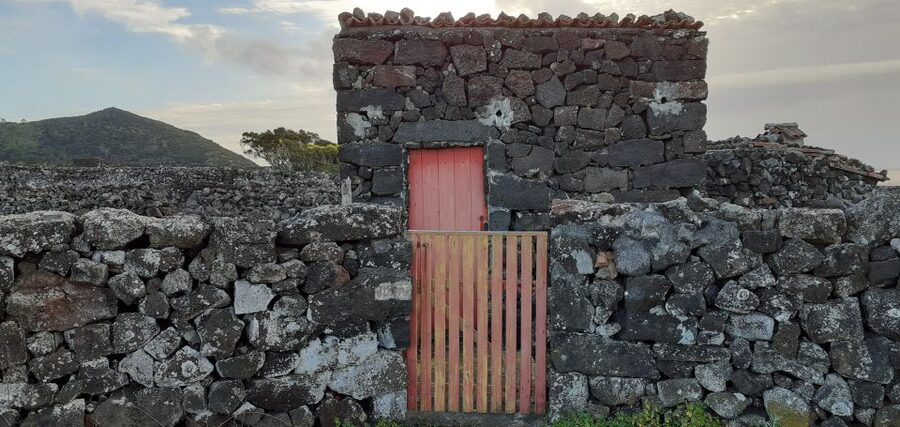
- UNESCO vineyard culture, explained on the ground: you see how the rows and systems shaped daily life.
- Volcanic coast and vast lava fields: the seashore shows the island’s raw geology up close.
- Whaling culture stops, plus the museum visit: the island’s past is treated as lived history.
- Small group limit of 8: it feels personal, not like a bus tour.
- Norberto’s pace and safe driving: plenty of time at stops, and you still get back to the ferry on time.
Why Pico’s wine, whaling, and lava belong in one day
This is the kind of itinerary that makes Pico feel like one connected story instead of a pile of random photos. You start on routes that run along the island’s north and south coast (using Estrada Regional 1/2), then you stitch it together with three village bases and thematic stops.
What I like most is that the day is built around three big themes you can actually feel: how locals worked the land for wine, how the whaling era shaped coastal life, and how volcanic geology still defines what you see. You do not need a car to understand Pico, because the guide keeps translating the scenery into context.
And with a small group limited to 8 participants, you are not constantly squeezed into the next photo moment.
More time on Pico:
- Pico Island: Whale Watching Experience from Lajes do Pico
★ 4.9 · 723 reviews - Pico Island: Azores Whale & Dolphin Watching on Zodiac Boat
★ 4.8 · 408 reviews - Pico Mountain Climb: Your Path to Portugal’s Highest Point
★ 5.0 · 204 reviews
The 8.5 hour rhythm, and how it helps first-timers
Eight and a half hours is long enough to cover both sides of the island, but short enough that you are not spending your whole trip in a vehicle. The pacing matters on Pico, because road curves and changing light can slow you down, especially near coasts and viewpoints.
This is also a day where timing is practical. Hotel pickup and drop-off mean you can focus on the route, not on parking or navigation. Included entry visits reduce friction too, so you spend more time looking and less time figuring out tickets.
One thing to consider: since food is not included, plan your day so you are not hungry at your longest stretch. If you like to snack lightly, bring something small for the gaps between stops.
The village trio: Madalena, São Roque do Pico, and Lajes do Pico
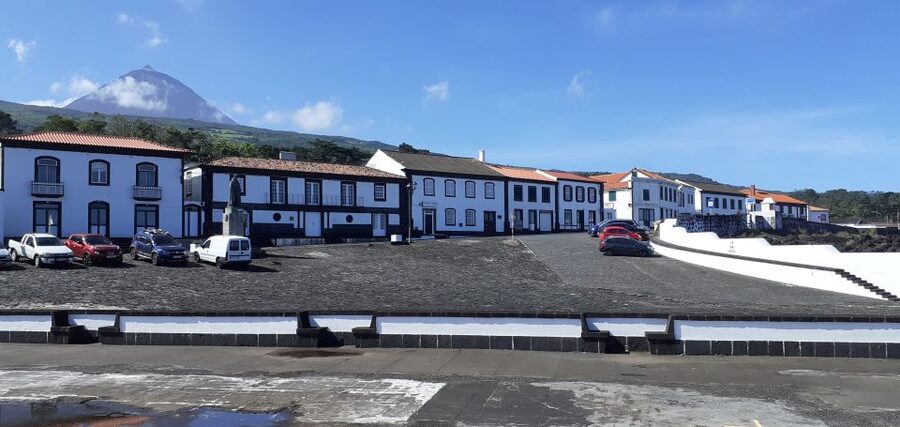
The day is routed through three key villages: Madalena, São Roque do Pico, and Lajes do Pico. Each one works like a chapter.
- In Madalena, you get your first sense of how life is organized on Pico, with a port-area vibe and the feeling of a place that has always had to connect with the sea.
- São Roque do Pico helps you understand the island’s inland and community rhythm. This is where the wine story starts to feel real, because Pico wine culture is not abstract. It is a way of living shaped by the land.
- Lajes do Pico rounds out the day with a coastal perspective. It is the sort of stop that makes lava and ocean influences feel related, not separate.
The big value here is not that these are famous names. It is that having multiple villages in one loop helps you understand why the same volcanic island produces different kinds of daily life.
Lagoa do Capitão: the endemic-plant stop that makes Pico feel alive
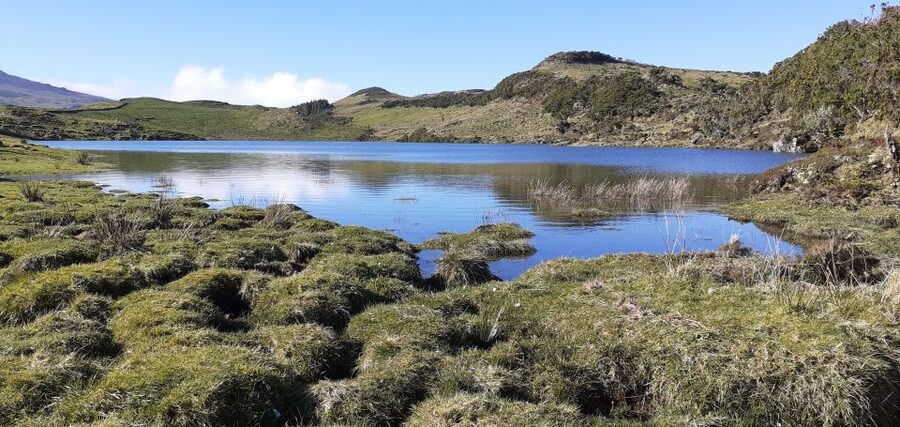
One highlight is the visit to Lagoa do Capitão, where you can appreciate endemic vegetation found on the island. This stop matters because Pico is often marketed for wine views and dramatic coastlines, but the island’s living details are just as important.
Here is the practical advantage. If you only look at broad vistas, Pico can feel like a postcard. With Lagoa do Capitão, you get a sense of what is unique to the island and why conservation and careful attention matter. You do not just see “nature,” you see nature that evolved here.
Also, it is a great reality check on the geology story. Lagoons and waterlogged pockets on volcanic terrain can create conditions that allow special plants to survive. You can connect that to the island’s overall volcanic nature without needing scientific jargon.
Another Pico day, differently spent:
- Pico Mountain: Climb the Highest Point of Portugal 2351m
★ 5.0 · 187 reviews - Mount Pico Guided Climb – Summit Portugal’s Highest Peak
★ 5.0 · 172 reviews - Pico Mountain Climb: Portugal’s Highest Point – 2351 meters
★ 4.9 · 161 reviews - Whale and Dolphin Watching in Pico Island – Half Day
★ 4.5 · 157 reviews
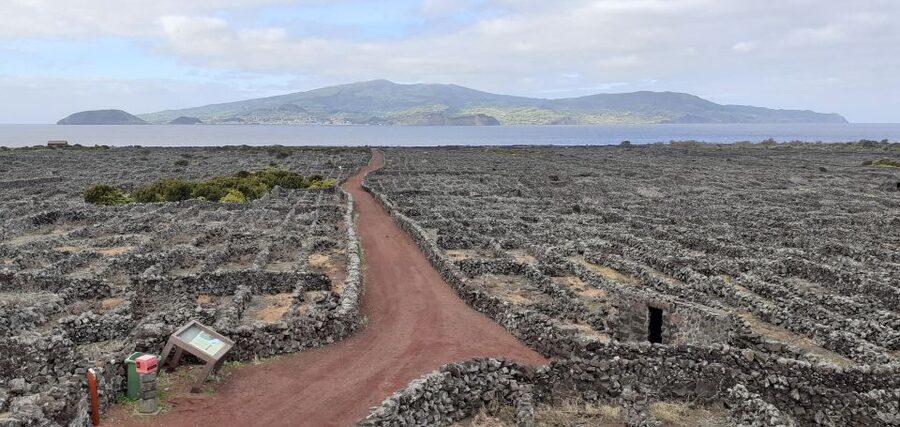
UNESCO on the ground: what makes Pico’s vineyard culture different
Pico’s Vineyard Culture Landscape is a UNESCO World Heritage site, and the tour is set up to help you understand why that designation exists. You do not just get a quick look at rows. You get the “how” and “why” behind the vineyard system, tied to the island’s history of wine production.
If you love wine history, this part gives you a clear, visual explanation. The landscape is shaped by human work and adaptation, built on a volcanic island where weather and terrain are not gentle.
And because the day is structured around village stops and additional viewpoints, the UNESCO visit does not feel like a random detour. It feels like the thread that connects the island’s ecology, its labor, and its culture.
The practical win: you will know what to look for when you see vineyard walls and field organization later, even if you keep moving on your own.
Cachorro and Lajido: coast stops built for lava lovers
Two popular places in the route are Cachorro and Lajido. These stops pair nicely with the seashore portion of the tour because they let you see Pico’s volcanic nature in a way that is hard to recreate from inland roads alone.
Expect to notice the island’s particularities in the form of vast lava fields. This is not just “rocks are cool.” Lava flows explain why coastlines look the way they do, why certain stretches feel rough and angular, and why the island’s vegetation and farmland have to work with the ground instead of around it.
If you like geology, this is the payoff. If you do not, it is still worth it, because the guide can connect the visible landforms to the island’s current life.
Whaling culture, the museum visit, and the Mysteries thread
Pico’s whaling culture is a major part of the story in this tour, including a visit to the Whaling Museum and stops at emblematic places related to whaling. This is valuable because it places whaling in a broader context, not as a one-off factoid.
What makes it work on this specific day is the balance. You are not only learning about a distant past. You are also hearing how that history shaped the island’s identity and coastal life, and how it connects to what people still talk about today.
The itinerary also references Mistérios, which is part of how the island’s story is understood, framed, and passed along. That matters because Pico’s cultural identity is not only about buildings and dates. It is also about interpretation, local meaning, and the way stories form around dramatic geography.
The museum stop gives you a structured place to pin details, then the outside stops help you connect those details to the real coastline.
What the small group and Norberto’s style really changes
This tour is limited to 8 participants, and the guide is offered in English and Portuguese. Those two details sound simple, but they change how the day feels.
With a small group, you can ask follow-up questions without feeling like you are holding up a long line. You can also get extra time at stops when conditions are tricky.
From what people describe, Norberto tends to keep things comfortable and paced. The theme that comes up repeatedly is that the day does not feel rushed, and that he drives safely so you can enjoy the scenery instead of bracing for turns. For first-time Pico visitors, that matters a lot, because the island can look wild even when roads are straightforward.
There is also a human side. If you have a concern about keeping up with the group, it helps to know that the guide has supported passengers who needed extra help getting around.
Price and value: what $111 covers, and what to budget for
At $111 per person for about 8.5 hours, the value comes from what is included:
- Hotel pickup and drop-off
- Transfers from and to public transportation
- Entry visits
- Insurance
- Tour guide
Those inclusions matter because Pico is not a place where you want to spend your energy on logistics while also trying to see everything. Included entry visits and a guided route also prevent time from leaking out into ticket lines and directions.
What is not included is just as important: food and drinks. That means your total trip cost is not only the tour fee. To stay relaxed, plan to buy lunch on your own or at a stop your guide suggests. If you budget for lunch and small snacks, the day feels smooth instead of stressful.
A quick way to judge value for your own style: if you would rather avoid renting a car and want a guided “story route,” $111 is a fair deal for this coverage. If you are the kind of traveler who likes controlling every minute solo, you might compare this to a self-drive day and decide based on your comfort with island roads.
Practical tips to enjoy the full day without getting tired
Here are the details I would plan around before you go:
- Wear walking shoes. Some stops are about looking longer than you expect, and coast areas can be uneven.
- Bring layers. Coastal wind and fog can change the feel fast, especially as you move between north and south sides.
- Plan lunch timing. Because food and drinks are not included, decide in advance how you will handle hunger.
- Use the group size to your advantage. In a group limited to 8, ask questions. The guide is part of the experience, not just transport.
- Expect variety. You are mixing villages, UNESCO wine culture, endemic vegetation, volcanic coast, and whaling culture museum time. That is the point, but you should go in ready for variety.
Also, if your travel plan is tight around ferry times, build in the confidence that the day is paced to get you back on time, which is a big deal for island travel.
Should you book this Pico Island tour?
I think you should book it if you want your first Pico visit to feel organized and meaningful. This is a strong choice for you if you care about more than one side of the island, including UNESCO vineyard culture, whaling history, and the volcanic coast evidence of how Pico was formed.
It is also a good fit if you do not want to drive yourself or you want a local voice guiding the story, not just a route map. The small group size helps a lot.
Skip it only if you want a slow, self-directed exploration day with no fixed structure, or if you are strongly opposed to paying separately for lunch and drinks.
FAQ
How long is the Pico Island tour?
The tour lasts approximately 8.5 hours.
What is included in the price?
Hotel pickup and drop-off, transfers from and to public transportation, entry visit places, insurance, and a tour guide are included.
Is food and drinks included?
No. Food and drinks are not included.
How big is the group?
The group is limited to 8 participants.
What languages does the tour guide speak?
The tour guide offers English and Portuguese.
Do I need to buy tickets for the visits?
Entry visit places are included, so you should not need separate tickets for the included sights.
What is the cancellation policy?
You can cancel up to 24 hours in advance for a full refund.
Latest reviews from Pico
- Ponta Delgada: Greenhouse Hot Tube with Pineapple Tour★ 4.4 · 76 reviews
- Observation of whales and dolphins in island Pico★ 4.7 · 76 reviews
- Route DA Pico Island★ 5.0 · 101 reviews
- Mount Pico Night Climb – Reach the Summit for a Magical Sunrise★ 5.0 · 111 reviews
- Whale and Dolphin Watching in Pico Island – Half Day★ 4.5 · 157 reviews
- Pico Mountain Climb: Portugal’s Highest Point – 2351 meters★ 4.9 · 161 reviews
- Mount Pico Guided Climb – Summit Portugal’s Highest Peak★ 5.0 · 172 reviews
- Pico Island: Azores Whale & Dolphin Watching on Zodiac Boat★ 4.8 · 408 reviews
Pico Tours, compared.
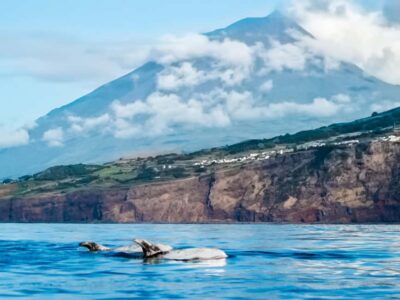
Pico Island: Whale Watching Experience from Lajes do Pico
Read our review →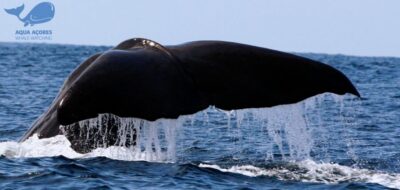
Pico Island: Azores Whale & Dolphin Watching on Zodiac Boat
Read our review →
Pico Mountain Climb: Your Path to Portugal’s Highest Point
Read our review →
Pico Mountain: Climb the Highest Point of Portugal 2351m
Read our review →
Mount Pico Guided Climb – Summit Portugal’s Highest Peak
Read our review →
Pico Mountain Climb: Portugal’s Highest Point – 2351 meters
Read our review →
Whale and Dolphin Watching in Pico Island – Half Day
Read our review →
Mount Pico Night Climb – Reach the Summit for a Magical Sunrise
Read our review →Browse the lists this tour appears in