
Reviewed · WALKING TOURS
Best of Lisbon Walking Tour: Rossio, Chiado & Alfama
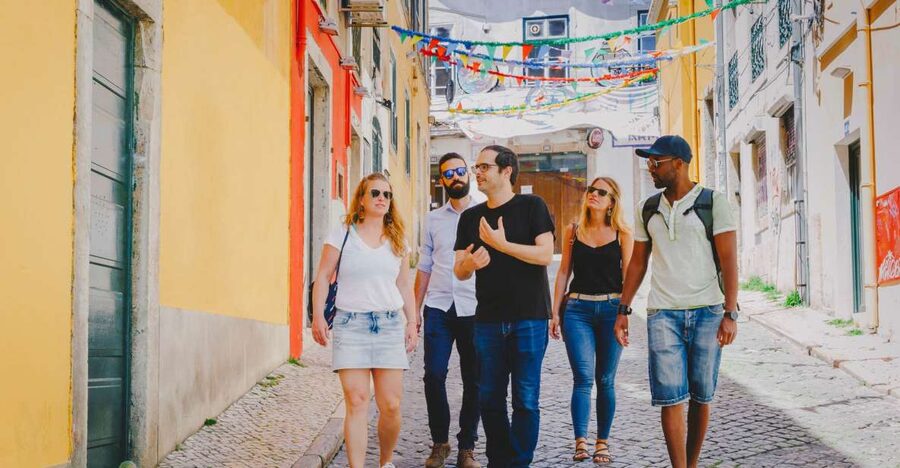
Lisbon has a talent for telling two stories at once: grand monuments and street-level life. This walking tour stitches both together, from Rossio Station’s neo-Manueline details to Alfama’s winding fado lanes. Guides like Filipa and Carlos A bring the city’s past to street corners, not just to plaques.
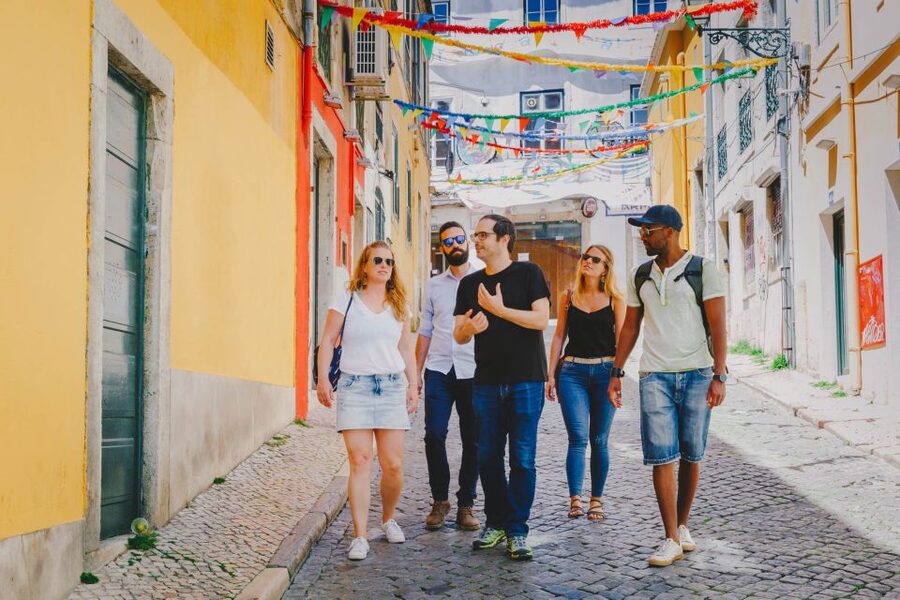
What I like most is the way the tour balances landmarks with neighborhood feel. You get major squares and viewpoints plus the sense of where people actually linger, shop, and snack.
One thing to consider: you’ll walk a fair amount on uneven, hilly old-street terrain, so comfortable shoes matter. It’s a fun pace, but Alfama is not flat.
Key highlights you will remember
- Rossio Square and the station architecture that signals Lisbon’s style before you even start climbing
- Restauradores Square’s obelisk tied to Portugal’s independence from Spain
- Carnation Revolution context at Largo do Carmo, where 1974 ended a long dictatorship
- Chiado’s old cafés and bookish vibe that still shapes Lisbon’s daily rhythms
- Baixa’s earthquake-era rebuild and the logic behind its urban layout
- Alfama’s fado atmosphere, paired with wine and a local food tasting
Where this tour actually shines: Rossio to Praça do Comércio
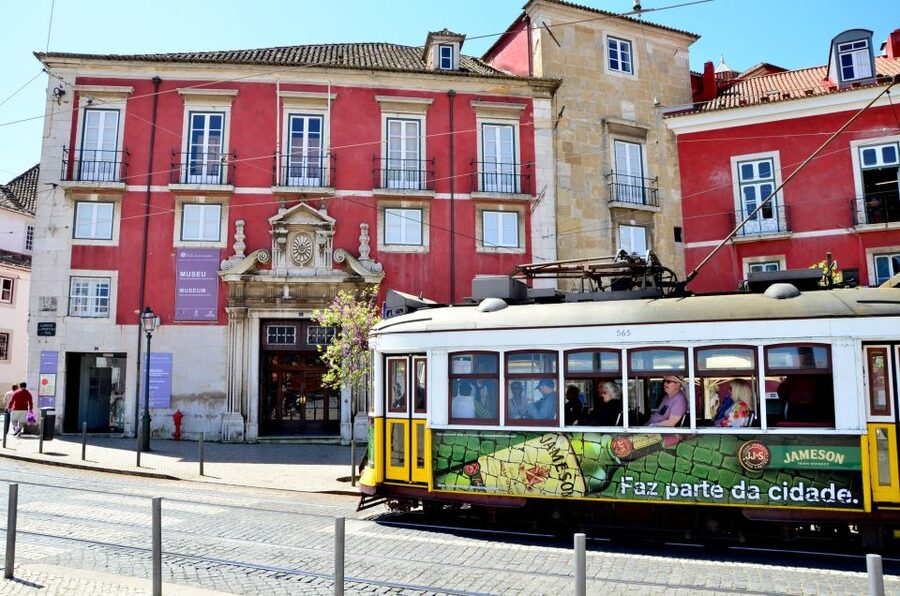
If you only have a few hours in central Lisbon, this is a strong start. It takes you through the core neighborhoods most first-timers circle on a map, then gives you the why behind the look. The route is designed so you can step out with better street sense for the rest of your trip.
The walking length is about right for a half-morning. It’s long enough to feel like you moved through the city, but short enough that you are not crushed afterward. And at this price point, the tastings are the quiet bonus that turn it from “just sightseeing” into a lived-in introduction to Portuguese flavor.
Also, the guiding style seems to be a consistent theme in the feedback. Many guests call out guides who answer questions and keep the group engaged without flooding you. Names that pop up include Filipa, Filipe, Martin, Daniel, Maria, and Carlos A. Whoever you get, you can expect lively explanations and practical recommendations for what to do next.
More Walking Tours in Lisbon
- Lisbon: History, Stories and Lifestyle Walking Tour
★ 4.8 · 10,902 reviews - Best of Lisbon Small-Group Guided Walking Tour
★ 5.0 · 4,869 reviews - Lisbon: Food and Wine Small Group Walking Tour
★ 4.9 · 4,082 reviews
Starting at Estátua de D. Pedro IV: a smart orientation point
The meeting spot is right where you want to be if you are about to explore Lisbon on foot: Rossio Square, near the Estátua de D. Pedro IV. This is central, easy to reach, and full of energy. You start with the city’s “new and old” overlap, which matters because Lisbon’s story is not one straight line.
From the beginning, the guide helps you look up and around. You will see architectural details at Rossio Central Station that you might otherwise miss. The tour highlights neo-Manueline design features, which is one of those Lisbon things that looks dramatic once someone points out what you are seeing.
A quick photo stop near St. Dominic’s Square also helps break the walking rhythm while you settle into the route. You are still in a neighborhood of movement, not a museum corridor. That sets the tone for the rest of the morning.
Rossio Railway Station photo stops: the Lisbon style lesson
Rossio Railway Station can be a “pass by” sight if you do not know what to notice. Here, it becomes a mini lesson in Portuguese visual identity. The emphasis on neo-Manueline detail is useful, because once you spot the style, you start seeing it elsewhere across Lisbon.
You’ll likely spend only about 15 minutes on this stop plus walk time, but it has an outsized payoff. It gives you a reference point for how Lisbon signals its ambitions through stonework and ornament, even in busy everyday spaces.
The tradeoff is simple: this is not a slow architecture workshop. If you want to read every inscription like a scholar, you might want additional museum time later. But for most visitors, this is exactly the right level.
Restauradores Square and the independence obelisk: Lisbon’s political memory
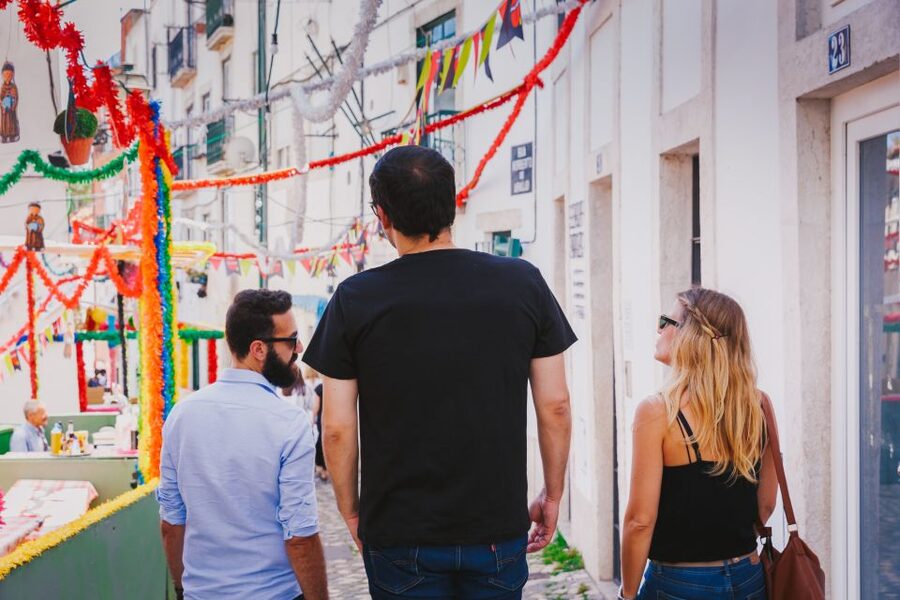
One of the tour’s strengths is that it does not treat history like a separate track. Restauradores Square comes with a clear political marker: the obelisk commemorating Portugal’s restoration of independence from Spain.
This stop matters because it connects Lisbon’s identity to a specific moment, not vague “old country” vibes. When you understand what is being remembered, the square feels more purposeful. You are also learning the vocabulary of Lisbon’s public spaces, squares that are made for gatherings, ceremonies, and reminders.
Timing is short here, but the guide’s stories are meant to land. If you enjoy history that you can point to, this is a good use of your walking time.
Another Lisbon day, differently spent:
- Lisbon City Center Tour – The Unmissable Lisbon
★ 5.0 · 22,234 reviews - Lisbon: Sintra, Pena, Regaleira, Cabo da Roca & Cascais
★ 4.7 · 19,656 reviews - Lisbon Card: 24, 48, or 72-Hour Pass
★ 4.5 · 17,944 reviews - Lisbon: Jerónimos Monastery Entrance Ticket
★ 4.1 · 14,164 reviews
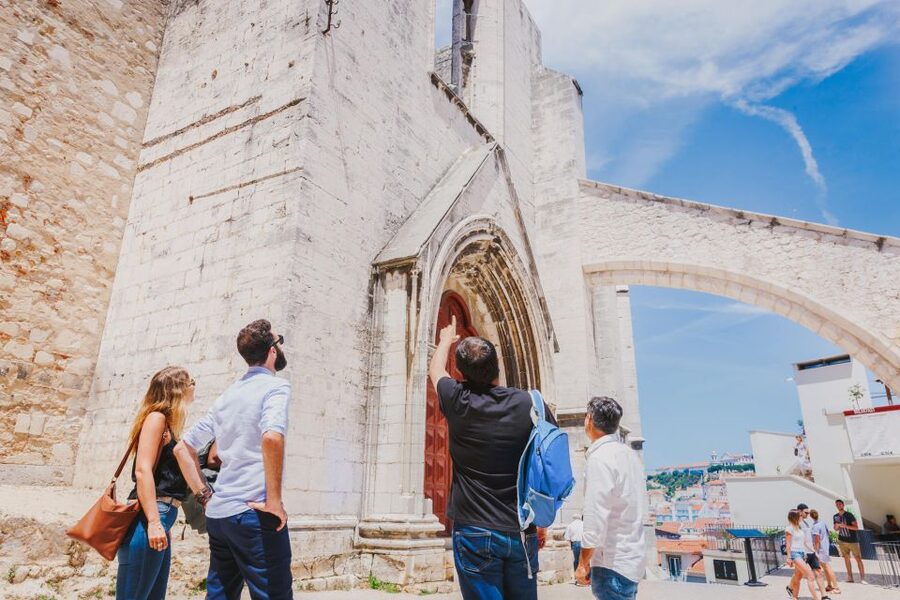
Largo do Carmo and the Carnation Revolution: why 1974 still echoes
Next comes Largo do Carmo Square, and the tour shifts from monarch-era references to modern political change. You learn about the Carnation Revolution of 1974, the event that ended 48 years of dictatorship.
This is one of those moments where a walking tour can either feel random or feel essential. The difference here is the context: the guide ties what happened in 1974 to the Lisbon you are standing in now. Instead of treating revolution as a textbook date, you start to see why certain city spaces feel charged with meaning.
There is also a practical upside. When you later read about Lisbon or hear people talk about Portugal’s political history, you have a memory hook. You remember where the story was told.
Chiado stroll: cafés, boutiques, theaters, and bookstores

After the political stops, the tour softens into neighborhood pace with Chiado. This is where Lisbon’s day-to-day culture shows up: old cafés, boutiques, theatres, and quaint bookstores. You may not feel like you are “learning” here, but you are. You are learning the vibe.
Chiado is also where you can start spotting how locals do leisure. People slow down. They browse. They pause. Even if you are not planning to sit for a long meal right away, you get the sense of where a relaxed coffee fits into the day.
Photo and guided passing moments keep you moving without turning the area into a checklist. The main drawback is that Chiado can feel busy and touristy, depending on the time of day. If you want quieter streets, you might spend your next hour away from the busiest pockets, armed with the direction you get from this tour.
Baixa de Lisboa: the earthquake rebuild logic you can walk through
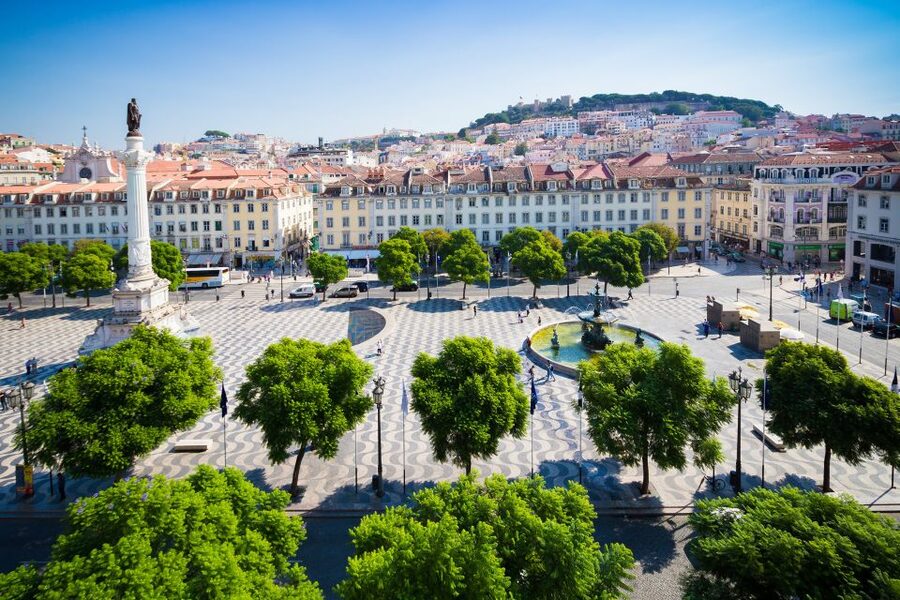
Baixa de Lisboa is the heart of Lisbon for a reason. It was rebuilt after the 18th-century earthquake with new rules for urban planning, including what the tour calls anti-systemic architecture. That phrasing can sound abstract, but walking the area makes it practical.
Here’s why this stop is valuable: you see how history can shape design rules. The result is an area that feels ordered and legible, especially compared with the tight, twisting streets elsewhere in Lisbon.
You also get a food tasting here. This is the point where the tour becomes more than sighting. The idea is to keep your energy up while you cross the city center. You try a typical Portuguese pastry later too, but this tasting helps you keep going.
If you tend to get hungry and snack only later, this is a good fix. Just know that Baixa is still a walking-heavy zone, and you may want a quick drink of water between tastings.
Pastel de nata plus a snack tasting: small breaks, big payoff
The tour includes 1 pastel de nata (custard tart). This is Lisbon’s most famous egg custard pastry for a reason. It is easy to love, easy to compare across places, and it reminds you that Portuguese food is not about complicated ingredients, it’s about good ones done well.
You also get 1 snack tasting and 1 wine tasting across the experience. In Alfama especially, some guests mention options like codfish cake and green wine as part of these tastings. You should treat that as an example of what the snack and wine might be, not a guarantee of the exact pairing.
Even with that caution, the food plan is smart. It keeps you from relying on random street stops where prices and quality vary. And after three hours of walking, you leave with the taste memory that makes the city stick.
Alfama: wine, a snack, and the fado-feeling streets
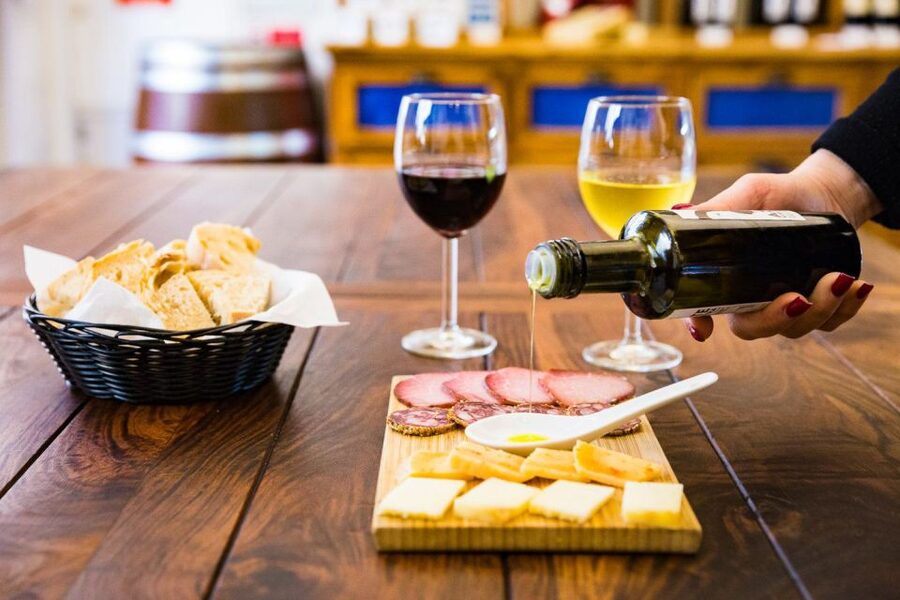
Then you reach Alfama, the oldest neighborhood on this side of town, full of narrow alleys and winding streets. The tour aims for an up-close encounter with the art of fado, even if you are not sitting in a formal performance venue. The point is atmosphere. You get why people sing here, and why the neighborhood feels like it holds stories.
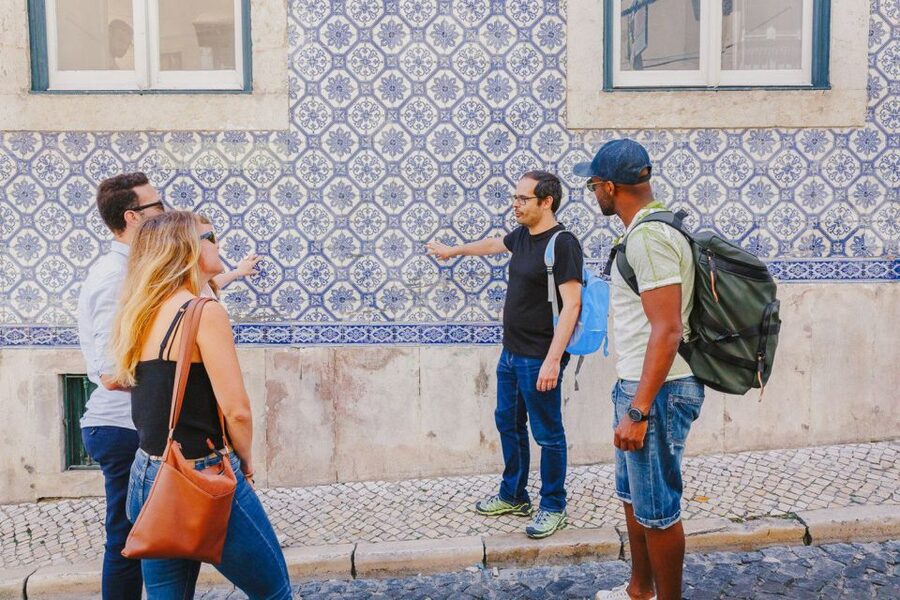
Alfama is also where the tour shifts from “look at Lisbon” to “feel Lisbon.” You may see tiled facades and hear the guide explain why they matter. Some guests specifically recommend asking about why the buildings are tiled on their façades, because the answer adds a layer of meaning to what is otherwise just pretty detail.
You will also get another tasting sequence here: wine tasting and food tasting. This is a good placement. Your legs are working harder at this point, so having a pause that includes something local helps reset you.
One real consideration: Alfama streets can be uneven. Even when the guide keeps the group moving efficiently, you need a steady stride.
The viewpoint moments: short stops that help your eyes catch up
The route includes a few viewpoint photo stops along the way. These are not just vanity photos. They help you understand the city’s verticality. Lisbon is built on slopes, and without a viewpoint, it is easy to misjudge distances.
These stops also give your group a breather. The tour breaks the walk into chunks, so you do not spend all three hours in one continuous effort. That matters when you are also trying to take in stories and architecture.
If you are the type who loves getting a skyline shot, these are the moments to use.
Ending at Terreiro do Paço: Praça do Comércio and the city’s opening
The tour finishes at Terreiro do Paço (Praça do Comércio). This is where Lisbon feels open after the tighter streets. It is also tied to the idea of the city’s former entrance hall, which gives the endpoint extra meaning.
Why this ending works: you arrive at a wide, bright space that lets you reset and plan. If you still want more Lisbon after the tour, you now have an easy reference point for where to go next, especially for waterfront strolls and public transport access.
Price and value: is $23 worth three hours of Lisbon?
At $23 per person, this walking tour stacks up well because you get three things that often cost extra elsewhere: a local guide, structured neighborhood access, and tastings.
You are not paying for entrance fees. Those are not included, which is normal for a walking experience that stays focused on streets and squares. But you are paying for guided explanation and the included food moments that make the walk feel like part of Lisbon, not just a route.
For value, the tastings matter. A single pastry like pastel de nata plus a snack and wine tasting can easily justify a chunk of the price on its own. Add the guidance, viewpoints, and multiple major squares, and the overall deal feels solid.
It is also a good first-tour option. If you do this early, you will have a much easier time navigating the city for the rest of your stay.
Who should book this tour
This tour fits best if you want:
- a first morning in Lisbon that gives you orientation across major neighborhoods
- history that is tied to street corners and squares, including the Carnation Revolution and independence restoration obelisk
- a food plan that includes pastel de nata plus additional snack and wine tastings
- a guide who keeps the group engaged, with feedback highlighting how approachable and energetic guides like Filipa and Martin have been
It might not be the best match if you want long museum time or you hate walking uneven streets. Alfama will require more care than Baixa.
Should you book Best of Lisbon Walking Tour: Rossio, Chiado & Alfama?
Yes, if you want a smart, central route that gives you both big sights and local flavor in about three hours. The included custard tart, snack, and wine turn it into a proper introduction, and the history stops at Restauradores and Largo do Carmo make the city feel less random.
Book it earlier in your trip if you can. You will spend less time backtracking and more time choosing your own next stops with confidence.
If you do book it, do one simple thing: bring good shoes and come ready to look up, because Lisbon rewards attention.
FAQ
How long is the tour, and what is the walking style?
The tour lasts 3 hours and is a walking tour, with stops that include guided sightseeing, photo stops, and viewpoints.
Where do I meet the guide?
Meet at Rossio Square, close to the statue of D. Pedro IV.
What languages are available?
The live tour guide offers English.
What is included in the price?
Included are a local guide and the walking tour, plus 1 pastel de nata (custard tart), 1 snack tasting, and 1 wine tasting.
Are entrance fees included?
No. Entrance fees and guiding at attractions and sites are not included.
Is the tour suitable if I bring pets?
No. Pets are not allowed.
What should I bring?
Bring comfortable shoes and comfortable clothes. The tour is designed for walking between central Lisbon sights.
Latest reviews from Lisbon
- Private Tour: Sintra, Cabo da Roca and Cascais Day Trip from Lisbon★ 5.0 · 225 reviews
- Lisbon: Food Tasting Tour by Tuk Tuk with 2 Stops★ 4.8 · 226 reviews
- Berlenga Island Small-Group Day Trip from Lisbon★ 4.5 · 227 reviews
- Sintra Deluxe from Lisbon with Pena Palace ticket★ 4.0 · 228 reviews
- Fátima, Nazaré, Óbidos and S. Martinho do Porto Small-Group Tour from Lisbon★ 5.0 · 229 reviews
- Évora and Monsaraz with Regional Wine Tasting from Lisbon★ 4.5 · 229 reviews
- Expert Plus Lisbon Tour with Local Guide in Private Eco Tuk Tuk★ 5.0 · 230 reviews
- Magical Day Trip: Pena Palace, Sintra, CaboDa Roca & Cascais★ 5.0 · 232 reviews
Walking Tours, compared.


Best of Lisbon Small-Group Guided Walking Tour
Read our review →

Porto Walking Tour, Lello Bookshop, River Cruise and Cable Car
Read our review →

Experience Porto’s Charm: 3-Hour Guided Walking Tour
Read our review →
Enjoy a Guided Levada Walk in the Rabaçal Valley
Read our review →
Browse the lists this tour appears in