
Reviewed · WALKING TOURS
Lisbon: Jewish Quarter Guided Walking Tour
Lisbon’s Jewish Quarter guided walk is fascinating because it ties major turning points of Jewish life and Portuguese history to specific streets, squares, and viewpoints. You start in the grand setting of Praça do Comércio, then work your way up through Alfama, where the medieval city layout still tells the story. It is a focused, story-driven walk, not a museum lecture.
What I like most is the way the English guide, often Amber, connects Jewish history to Portugal’s own political and social changes, so the events make sense in context. I also like the pacing for a small group, limited to 10, with the guide ready to help you pause when the climb hits.
One thing to plan for: the route is mainly uphill and uses stairs in Alfama. If you have back issues, limited mobility, or you just do not like steep stone steps, this may feel like more work than you want for a history tour.
Key Highlights You Will Actually Feel on the Walk
- Praça do Comércio framing, tied to the wider Exodus story rather than only local dates
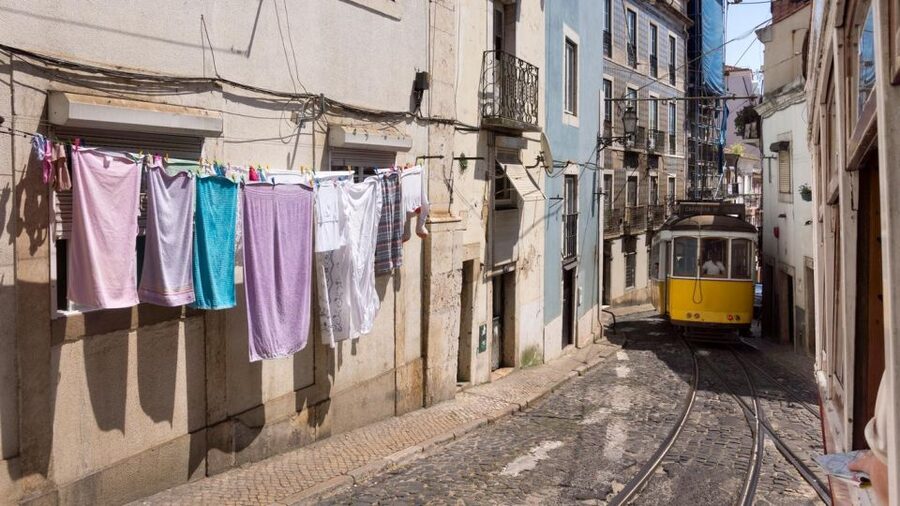
- Alfama’s medieval segregation, plus the modern viewpoint drama of Lisbon’s hills
- Baixa District forced conversions, explained where the city itself shows the shifts
- Rossio Square and the 1506 Pessah massacre, a hard moment given clear historical placement
- IIWW-era refugee passage in the 1940s, so the story reaches beyond the Middle Ages
Praça do Comércio to Judiaria Streets: Where the Story Gets Anchored
This tour starts at Praça do Comércio, Lisbon’s big, open “front door” by the river. It is the kind of place that makes you realize the city was built to look outward, and the guide uses that energy to frame the Jewish story as something connected to broader events. In other words, you do not just memorize dates. You get a storyline that begins earlier than medieval Lisbon and then folds back into the city you can see today.
From there, you head toward the areas tied to Jewish presence, including Judiaria Street. Lisbon’s old neighborhoods can feel like a maze when you are on your own. With a guide, those twists start to feel intentional, because the tour explains how the Jewish community lived inside the medieval city and how that changed over time.
This is also where the tour’s “why it’s worth paying for a guide” becomes clear. Even if you know Lisbon basics, you likely will not connect the dots between where you are standing and what was happening centuries ago.
More Walking Tours in Lisbon
- Lisbon: History, Stories and Lifestyle Walking Tour
★ 4.8 · 10,902 reviews - Best of Lisbon Small-Group Guided Walking Tour
★ 5.0 · 4,869 reviews - Lisbon: Food and Wine Small Group Walking Tour
★ 4.9 · 4,082 reviews
The Climb Toward Portas do Sol and S. Jorge Castle Feel Like a History Lesson in 3D
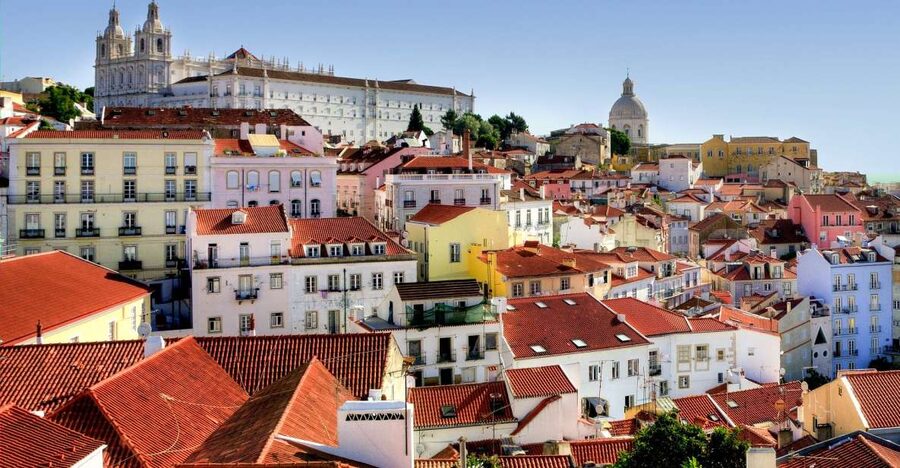
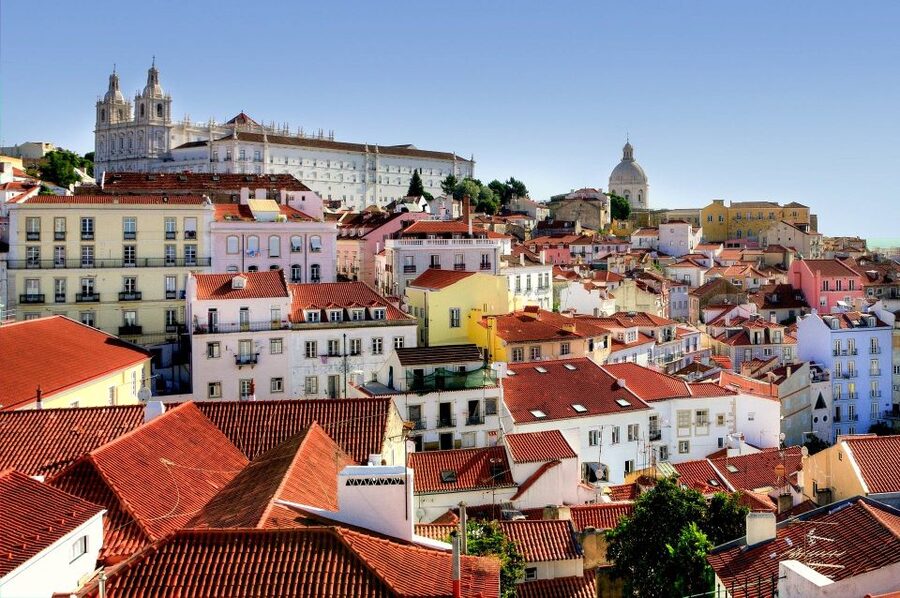
As you move through the upper parts of town, you reach Portas do Sol viewpoint and then the S. Jorge Castle area. The views matter here, not just for photos. Lisbon’s height is part of the history. How people lived, moved, and controlled access within the city depended on steep streets and elevation.
Portas do Sol is the moment when many people exhale, because you can see the city stretching out and you understand why Alfama clings to the hill the way it does. The guide uses that perspective to talk about the Jewish presence in castle hill territory and how the city’s physical structure shaped daily life.
At this point, expect a lot of “look up, look around, then connect it to the past.” You will come away with a mental map that stays with you long after the walk ends.
Alfama’s Medieval Jewish Quarter: Stairs, Segregation, and Real Streets
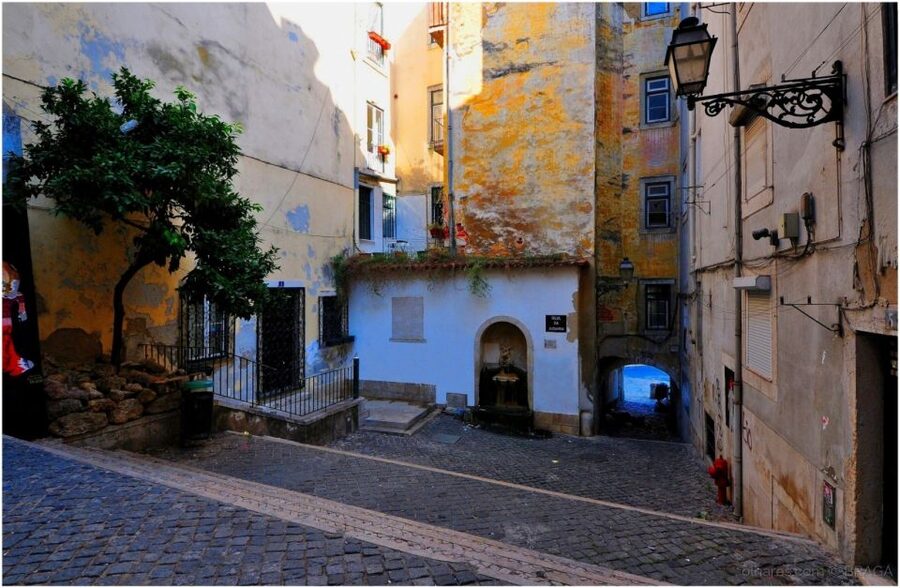
The heart of the experience is Alfama, including the medieval Jewish quarter and the reality of segregation. The tour walks through Alfama and the Judaeria areas, showing how Lisbon’s social boundaries were reflected in the way neighborhoods were organized.
But you need to be honest with yourself about the physical side. The route is mainly uphill and includes stairs in Alfama quarter. Many people still love it because the neighborhood is too interesting to see at a distance. However, if you are hoping for a casual flat stroll, this is not that.
The good news is that the guide manages the pace for a small group of up to 10. In practice, that usually means you can ask for a short break without feeling rushed out of the moment. Several experiences have highlighted that the guide offers rest stops when needed, and that makes the harder segments more doable.
If you go, bring your “comfortable shoes” plan seriously. Your reward is that Alfama’s narrow lanes and old stone steps help you understand why the medieval city felt so different from modern Lisbon.
Baixa District: Forced Conversions Explained in the Place They Happened
After the castle hill and Alfama sections, the tour shifts down toward Baixa District, a key area for understanding Portugal’s darker transitions. Here, the tour focuses on forced conversions and what that meant socially and culturally.
This is one of those parts where a guide is worth every penny. You can walk Baixa on your own and just see architecture and streets. With a guide, you start to see how power and policy can leave footprints that are still visible in urban life.
Baixa also helps balance the emotional weight of the earlier segments. Alfama brings you close to medieval boundaries. Baixa shows how broader Portuguese changes could reshape identity, community, and public life. The tour’s framing connects these shifts without making them feel like disconnected bullet points.
Another Lisbon day, differently spent:
- Lisbon City Center Tour – The Unmissable Lisbon
★ 5.0 · 22,234 reviews - Lisbon: Sintra, Pena, Regaleira, Cabo da Roca & Cascais
★ 4.7 · 19,656 reviews - Lisbon Card: 24, 48, or 72-Hour Pass
★ 4.5 · 17,944 reviews - Lisbon: Jerónimos Monastery Entrance Ticket
★ 4.1 · 14,164 reviews
Rossio Square and the 1506 Pessah Massacre: A Difficult Stop, Carefully Placed
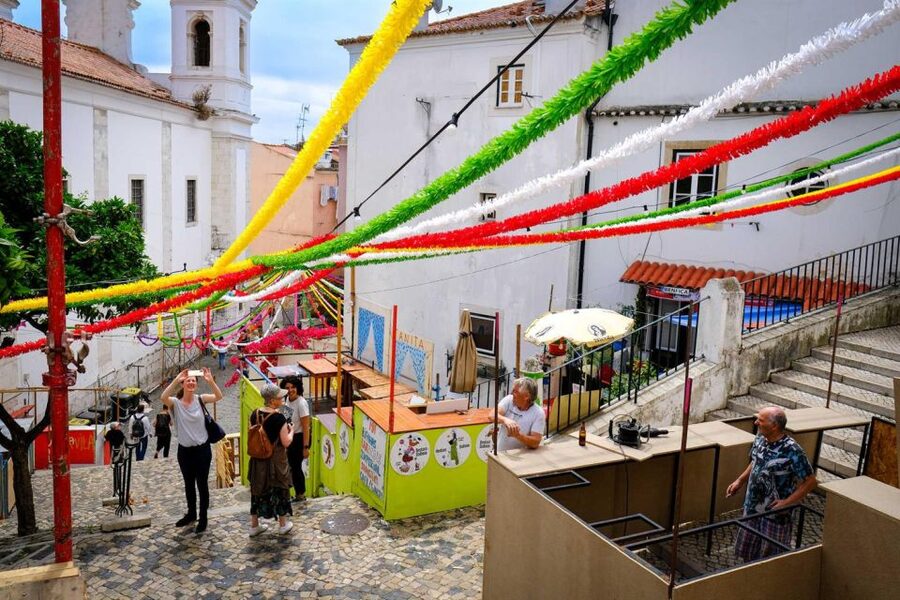
The walk finishes with a major historical moment at Rossio. The tour includes Rossio Square and the 1506 Pessah massacre, and it does not treat this as trivia. It is presented as a tragic event that fits into the broader history of Lisbon and the Jewish community.
This is also a place where you should slow down mentally. When a guide points out the significance of a square, it can be tempting to rush through and keep moving. But this stop is where the emotional arc of the tour reaches one of its harshest turns.
What I value about the way this tour handles moments like this is that it stays rooted in location. Standing in Rossio while the guide explains what happened helps you understand that violence and persecution were not abstract. They happened in the public spaces people lived around.
World War II Refugees in the 1940s: The Story Keeps Going
One reason this tour feels more than “medieval sightseeing” is that it extends into more recent history, including the WWII refugees passage in the 1940s. That detail matters, because it tells you the story of Lisbon’s Jewish connections did not stop with the medieval period.
The guide also links Lisbon to the wider world diaspora that spread across the Atlantic. Even if you already know the broad story of Jewish migration and survival, you’ll still appreciate how a Lisbon-focused tour ties those movements to the specific idea of Lisbon as a gateway.
This modern thread is why the tour ends up feeling meaningful even for people who thought they signed up for Old Lisbon only.
The Guide Makes or Breaks This Tour, and Amber Has a Strong Track Record
A big part of the praise centers on the guide’s delivery style. In multiple instances, Amber has been described as highly fluent in English, clear in explanations, and able to answer questions without rambling.
I also like that the tour is not just facts. The guide brings the history to life through characters and moments. That matters for this topic because Jewish history in Portugal includes complex themes, like segregation, conversion pressures, and later community shifts. A good guide keeps that complexity understandable.
One more detail that may affect your expectations: evidence on the ground can be limited, because much of the physical heritage has not survived in the way you might hope. The value here is how the guide explains what used to be there and what changed, so you leave with understanding even when you do not leave with dramatic ruins.
Tour Logistics That Matter: 2 Hours, Small Group, and the Right Shoes
For $58 per person and a 2-hour format, the value depends on what you want. If you want a casual walk with quick stops and a light overview, this might feel too focused. If you want a guided, narrative walk that stitches Lisbon’s Jewish story into Portuguese history, the price starts to make sense.
You are paying for three things you usually cannot DIY easily:
- A structure that moves you through multiple key zones, including Praça do Comércio, Judiaria areas, Alfama, Baixa, Figueira, and Rossio
- Explanations of social change, like segregation and forced conversions, tied to the actual streets
- A live guide for questions and pacing, especially important on steep routes
The tour is small group, capped at 10, which usually keeps it from feeling crowded or rushed. It is also English only.
What is not included: food and drinks. So plan on grabbing a snack before or after, especially if you will be climbing. A 2-hour walk can work up an appetite, and you do not want hunger to distract you from the history.
Who This Tour Suits Best, and Who Should Rethink It
This is best for adults and older teens who can handle a steep historic walk and want a structured story of Jewish presence in Lisbon. It is especially good if you care about how history connects to city planning, not just big names.
You should think twice if any of these apply:
- Children under 10
- Back problems, recent surgery, or mobility impairments
- Low fitness, or age over 70 (the tour lists people over 80 as not suitable)
- Anyone who struggles with stairs and uphill segments
If you fall into that group, you might still enjoy the topic, but this specific route could become uncomfortable fast.
Should You Book This Lisbon Jewish Quarter Walking Tour?
If you want Lisbon that feels specific and human, I think you should book it. This walk focuses on real locations tied to major moments, including Rossio and the 1506 Pessah massacre, and it does not stop at the medieval era thanks to the 1940s WWII refugee thread. Add in a guide like Amber, who is consistently praised for clear explanations and strong English, and you get a tour that feels worth doing even when physical remnants are limited.
Just be honest about the climb. If you choose to go, wear comfortable shoes, carry water, and expect stairs in Alfama. If that sounds manageable, this is one of the smarter ways to understand Lisbon beyond the usual highlights.
Latest reviews from Lisbon
- Private Sailing Cruise in Lisbon with Drinks★ 4.5 · 70 reviews
- Lisbon Food and Wine Tasting Tour of HIDDEN GEMS (Small Groups)★ 4.5 · 70 reviews
- Lisbon: Ajuda National Palace Entry Ticket★ 4.5 · 71 reviews
- Lisbon Portuguese Food Tour★ 4.5 · 71 reviews
- Queer Lisbon – A Treasure Hunt in LGBT History★ 5.0 · 71 reviews
- Lisbon Street Art – Private Guided Tour in a Electric Tuk Tuk★ 5.0 · 72 reviews
- Private Lisbon Walking Tour★ 5.0 · 72 reviews
- Pastel de Nata Workshop in Lisbon★ 5.0 · 72 reviews
Walking Tours, compared.
Best of Lisbon Small-Group Guided Walking Tour
Read our review →
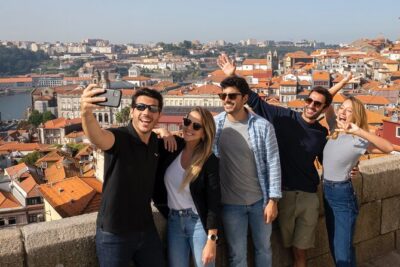
Porto Walking Tour, Lello Bookshop, River Cruise and Cable Car
Read our review →
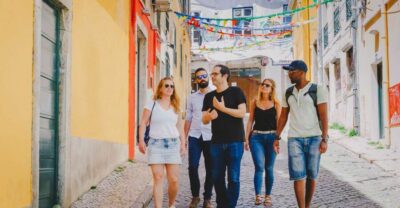
Best of Lisbon Walking Tour: Rossio, Chiado & Alfama
Read our review →
Experience Porto’s Charm: 3-Hour Guided Walking Tour
Read our review →
Enjoy a Guided Levada Walk in the Rabaçal Valley
Read our review →Browse the lists this tour appears in